In the world of real estate and architecture, design is not just visual, it’s about constructing something that will last in style and finances. With the ever-changing nature of the housing market, the ability of a home to draw future buyers is as important as the way it serves the needs of its occupants now. In booming urban centers, residents may face an uneasy choice: rehab or sell out. For those navigating this balance in competitive markets, choosing to sell your house fast in Washington DC can sometimes be a smarter alternative to spending months on remodeling and preparation. However, for others who are staying and not getting out, some choices in design can make a property retain value regardless of how the market is going to go.
The Relationship Between Design and Market Value
Architecture is always a mirror to the economic sentiment of the day. In periods of boom, luxurious residences with signature touches tend to characterize the scene. During recession, taste veers towards minimalism, flexibility, and practicality. But there’s one thing that stays the same: houses that are perceived as timeless, as opposed to fashionable, sell well in resale markets.
A well-designed home must attract a wide range of possible buyers without losing its own sense of identity. This means finding harmony between expressive design gestures and functional utility. Proportion, light, and the flow of space have a wide appeal that crosses fashion. When a home is comfortable, sensible, and inviting, buyers respond on an emotional level, even if the material or finishes are not those that they would have specified for themselves.
In an unstable market, when the priorities of buyers shift rapidly, adaptive design is the solution. Open spaces, convertible spaces, and employing neutral color schemes provide homeowners with room to reinterpret their interior spaces as lifestyles and trends shift. This flexibility provides a property with timeless quality, something desperately sought after by investors and buyers alike.
Designing for Longevity Rather than Trends
Fashions change, but architectural integrity never has to depart. If a house’s design is based on long-lasting construction and proportion, it withstands the ups and downs of changing taste. An emphasis on long-lasting materials, natural light, and intelligent detailing serves to produce homes that won’t have to be continuously updated.
For instance, daylight spaces created around daylight, with thoughtfully placed windows, skylights, or courtyards, not only enhance daily livability but also increase energy efficiency and resale value. Likewise, incorporation of enduring materials such as wood, stone, and glass brings with it an enduring sense of quality that even many artificial surfaces cannot provide.
Economies based on a Harvard Joint Center for Housing Studies report, long-term residential value is more and more linked with longevity and sustainability. Houses that reduce maintenance, utilize sustainable systems, and last over time fare better than houses constructed solely to impress superficially. These strategies inform not only environmental design but economic durability as well.
The Power of Layout and Flow
Whereas finishes may be replaced and fashion changes, layout is the only design aspect that irrevocably determines a house. A thoughtful plan optimizes livability and resale value. How individuals navigate a home, from the first entry to how they utilize public and private spaces, dictates comfort and usability.
This too is something that is generally a “feeling” and not something to be written as a technicality. Rooms that feel automatically free, open, and unencumbered draw people in. Designers and architects who specialize in creating simple spatial hierarchies, expansive entrances, effortless indoor-outdoor interfaces, functional kitchens to facilitate family living, impart real value that can be felt by buyers, even when they cannot put it into words.
In contrast, oversegemented or awkward plans deter interest, regardless of the abundant content. Elastic, open environments are particularly worth the investment in urban locations, where consumers want rooms that can function as both private retreat and social reception space.
Sustainability as a Selling Point
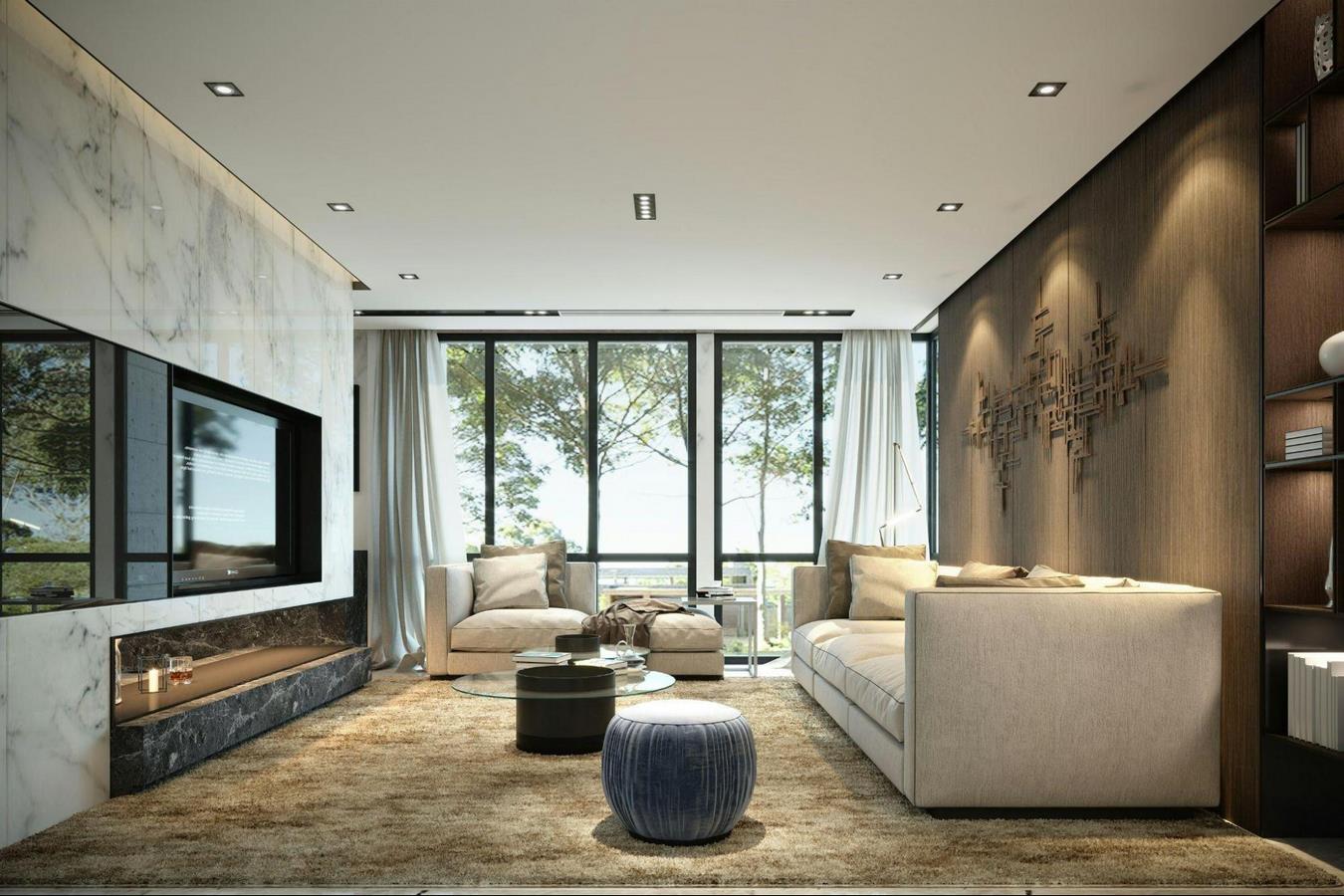 Sustainable design went from being a niche idea to mass expectation. Consumers increasingly view energy-efficient systems and eco-friendly products as not only an ethical option but also a sound business decision. Solar panels, passive solar heating, rainwater harvesting, and energy-efficient appliances can increase resale value.
Further, sustainable design also resonates with the principles of old classic design, simplicity, light, and nature. A green and healthy-sounding home is an appealing option in cities where air, heat, and density increasingly are issues. Washington DC is such a city where policy, green innovation, and preservation cross, and sustainable remodels can fetch premium resale value and appeal to a new generation of eco-sensitive buyers.
The Use of Context in Design
No building stands alone. The value of a home is not cut off from context, the neighborhood, infrastructure, and changing city life. Site-specific designers design environments that are rooted and not generic. With material selection traceable to the local past or landscapes that work with local ecology, context-based design makes emotional and cultural sense.
This sense of place also applies to market conditions. For cities that are growing quickly, design decisions investing in advance of demographic change, such as multigenerational living units or home office integration, make buildings matter. Houses that adapt along with the population are more durable in the face of market oscillation.
Emotional Connection and Storytelling
Aside from its physical form, a house design speaks, one that can be envisioned by the buyer as belonging to them. The emotional nature of architecture plays an underrated part in resale popularity. A warm, coherent, and human-scaled house provides an experience rather than an enclosure.
Natural materials, textured layers, and careful lighting all help in creating this emotional connection. When potential buyers can imagine their lives playing out easily within the design, the architecture has both succeeded commercially and aesthetically.
The Balance Between Art and Investment
Good design is where creativity and pragmatism meet. The best homes are those that inspire but not intimidate and work beautifully without having the feel of operating rooms. As markets evolve, enduring homes are those that balance innovation with intuition, homes that work for a lifetime rather than overpowering it.
To homeowners and designers, the message is straightforward: design and build for longevity, flexibility, and experience. The greatest investment is not in technology or materials, but in design that remains desirable and relevant in all economic times.