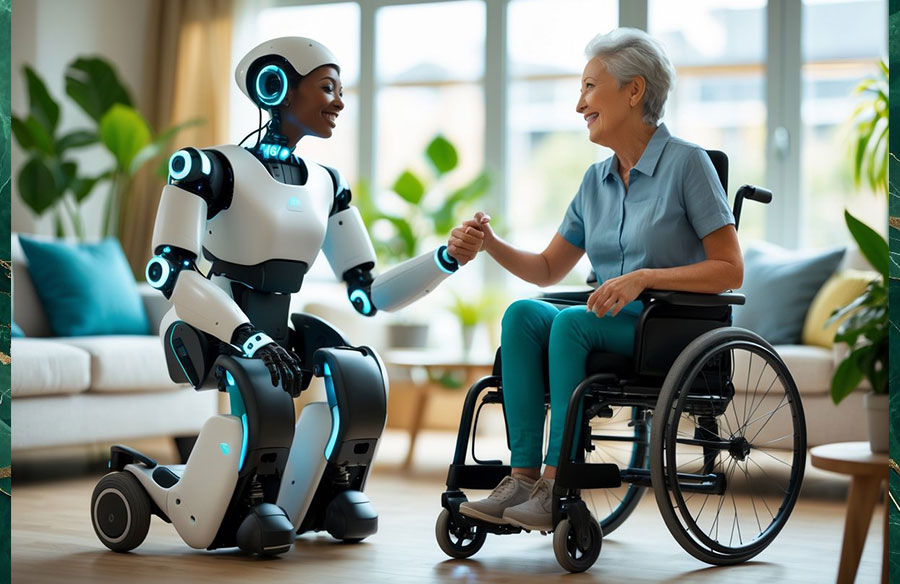
VR Companionship for Mobility-Impaired Users
Virtual reality companionship is opening up ways for people with limited movement to connect, socialize, and participate in shared experiences. This technology helps break down barriers to interaction and makes therapy, recreation, and daily communication more accessible.
For many folks with mobility challenges, just getting out the door or joining a group is a struggle. The result? Social isolation and missed chances for connection.
With VR, users can step into shared digital environments and interact in real time, even when they’re physically apart. Avatars and live voice chat make it possible to join in, no matter where you are.
Inclusive features like real-time captions, haptic feedback, and adjustable controls make these virtual spaces more welcoming. If you can’t get to a community event, you can still join one online.
By making participation simpler and less expensive, VR companionship tools help keep social bonds strong. It’s a lifeline for those who might otherwise feel cut off.
Mobility limitations can make both physical and digital worlds harder to navigate. But VR platforms offer adaptable controls, eye tracking, voice commands, and simplified gestures, that let more people participate.
Designing these systems with different abilities in mind is key. Someone who uses a wheelchair can move through digital worlds with custom controllers or streamlined gestures, so they’re not left out.
These adaptations boost independence. Instead of always needing a hand, users can steer their own virtual adventures, whether that’s exploring, learning, or just hanging out.
Having more freedom in digital spaces builds confidence. It gives people a sense of belonging they might not get in the physical world.
There are plenty of real-world uses for VR companionship:
- Social: Virtual meetups, group chats, or attending online events.
- Therapeutic: Guided relaxation or practicing coping skills with a digital companion.
- Recreational: Playing accessible VR games, visiting virtual museums, or sharing interests with friends.
Research suggests VR can make rehab exercises more engaging by blending companionship with movement training. Virtual assistants can also remind users of appointments or offer encouragement.
These examples show that VR companionship is more than just fun, it’s a tool for connection, therapy, and personal development.
Exoskeletons as Mobility Solutions
Exoskeletons are finally moving out of the lab and into daily life, where they help people walk, fight fatigue, and stay independent. Thanks to AI, smarter design, and a focus on rehab, these devices are more practical and available than ever.
AI-powered exoskeletons adapt on the fly, reacting to a user’s movements in real time. Sophisticated algorithms, think recurrent neural networks, analyze how someone walks and tweak support instantly for smoother movement.
New training methods use simulations instead of endless human testing, which speeds up development. These AI systems help users save energy, whether they’re walking, running, or tackling stairs.
Now, exoskeletons aren’t just for rehab, they’re for daily mobility. By easing strain and adapting to natural movements, these smart designs make things more comfortable and user-friendly.
Some standout benefits of AI integration:
- Instant gait analysis and feedback
- Energy savings on the move
- Quicker adaptation to different surfaces
- Less time spent on setup
Not everyone needs the same level of help. Some folks want full lower-body support, while others just need a boost for certain joints. Personalization makes all the difference.
Lightweight materials and modular parts mean devices can be tailored. Fabric-based exosuits with built-in motors are less bulky than rigid frames, which keeps costs and discomfort down.
Affordability is improving, too. Budget-friendly exosuits using basic electronics and compact computers (like Raspberry Pi boards) can deliver solid support for a lot less money.
Exoskeletons aren’t just for clinics anymore. Many are designed for seamless transitions from therapy to everyday life, blending rehab features with practical walking help.
Rehab centers are pairing exoskeletons with VR feedback, mirror therapy, and detailed gait analysis. These combinations make training more interactive and help users relearn movement.
At home or out in the world, exoskeletons support walking, navigating crowds, or handling light chores. Switching between therapy and daily use modes keeps these devices relevant outside the clinic.
With easier mobility, people can join more community events and live more independently. The social benefits are hard to ignore.
Accessibility-First Design Principles
Creating VR companionship platforms and mobility exoskeletons means putting real user needs first. It’s about balancing technical trade-offs, material choices, and practical barriers like comfort and cost.
We can’t build effective tech without input from the people who’ll use it. Mobility-impaired users know their needs best, and clinicians offer key insights on safety and long-term health.
A strong design process should include:
- Early user trials in controlled settings
- Ongoing tweaks based on feedback
- Clinical checks for posture, joint safety, and fatigue
Blending patient and clinician feedback helps avoid missing important details. Maybe a VR companion app needs simpler navigation, or an exoskeleton needs adjustable support for different rehab stages.
This approach leads to safer, more usable products that actually fit real medical and personal needs.
Comfort is a common barrier. Heavy, awkward gear can cause strain and discourage use. Lighter frames, breathable fabrics, and adjustable straps go a long way.
Cost is another big hurdle. High-end exoskeletons can cost tens of thousands, so partnerships with insurers and modular upgrade designs help keep prices manageable.
Looks matter, too. No one wants to wear something that screams “medical device.” Neutral colors, slim designs, and subtle hardware help users feel more at ease in public.
Getting these factors right turns accessibility from a buzzword into something people can actually use every day.
Rigid exoskeletons offer strong support and precise control, which is great for rehab or heavy lifting. But they’re often stiff and limit natural movement.
Soft robotics, on the other hand, use flexible materials and gentle actuation. They’re lighter, comfier, and allow more freedom of movement, ideal for daily wear.
| Feature | Rigid Exoskeletons | Soft Robotics
|
|---|---|---|
| Support strength | High | Moderate |
| Comfort | Lower | Higher |
| Weight | Heavier | Lighter |
| Cost | Higher | Potentially lower |
| Use case | Rehab, industrial | Daily mobility, personal assistance |
It’s not really about picking one over the other. Rigid systems are best for structured therapy, while soft robotics shine in everyday life. Picking the right tech for the right job is what really boosts accessibility and usability.
Risks, Consent, and Moderation in VR and Exoskeleton Use
Bringing VR companionship and wearable exoskeletons to people with mobility challenges is exciting, but it comes with real responsibilities. There are big questions around consent, moderation, and managing both physical and psychological risks.
We can’t assume everyone fully gets how these systems work. Clear, honest communication is essential before anyone tries out VR or exoskeletons, covering benefits, risks like motion sickness or pressure spots, and what data’s being collected.
Consent isn’t a one-and-done deal. Users should have chances to ask questions or step back if something feels off. For instance, VR companionship might involve sensitive personal info, so folks have the right to know how it’s handled.
Here’s what a solid consent process looks like:
- Written info in plain language
- Hands-on demos before full use
- Choices for alternative options
- Regular check-ins to make sure users still agree
Treating consent as an ongoing conversation respects autonomy and helps avoid misunderstandings.
Moderation and Safety Protocols for VR Companionship and Exoskeletons
Moderation is the backbone of safe, positive experiences with technologies like VR companionship platforms and robotic exoskeletons. Without some guardrails, users can easily overdo it, ever lost track of time in a digital world or felt wiped out after a session?
It’s smart to set usage boundaries. For example, exoskeleton sessions might work best with breaks every 30–45 minutes, just to keep fatigue at bay.
VR companionship apps often toss in timed reminders or even pause features to nudge users toward healthy limits. These little interventions can make a surprising difference.
Trained staff or attentive caregivers play a huge role here, too. They’re the ones who notice if someone’s posture slips or if a user seems off emotionally.
In group settings, moderators help keep things fair, making sure nobody gets left out because of device shortages or awkward design quirks. A safety checklist, think fit, calibration, emergency stop functions, should always be part of the routine.
Managing Physical and Emotional Risks in VR and Exoskeletons
Let’s be real: both exoskeletons and VR platforms come with their own set of risks. Physically, poorly fitted exoskeletons can lead to joint strain or even pressure injuries.
VR, on the other hand, sometimes triggers dizziness, eye strain, or that weird sense of being “off” after a long session. And then there’s the emotional side.
VR companionship can blur the line between real and virtual, sometimes leading to dependency or emotional distress. Not everyone can access the same tech, which can spark feelings of isolation.
- Monitoring tools: Pressure sensors in exoskeletons help spot trouble early.
- Personalized VR: Tailor experiences to each user’s tolerance and comfort.
- Mental health support: Offer resources for those who feel overwhelmed or disconnected.
- Accessibility: Make sure devices work for a wide range of bodies and budgets.
Privacy and Data Security for Mobility Tech Users
When folks use immersive VR companionship or robotic exoskeletons, they’re sharing a lot of personal info, sometimes even medical details. So, how do we keep all that safe from prying eyes or misuse?
Privacy Guardrails in VR Companionship Platforms
VR companionship tools track more than you might think, eye movement, gestures, speech, and even subtle social cues. This data can reveal everything from health conditions to daily routines.
We need privacy guardrails that actually do their job. That means:
- Only collect what’s needed: Don’t hoard extra data just because you can.
- Consent, always: Make sure users know what’s being tracked and why.
- Accessible privacy controls: Design settings that work for everyone, including those using screen readers or voice commands.
Authentication shouldn’t be a hurdle, either. Many VR setups rely on visual cues, but that doesn’t work for all. Biometric checks or adaptive logins can make things smoother and safer.
Data Protection in Robotic Mobility Devices
Robotic exoskeletons gather sensitive info, muscle activity, gait, movement patterns. If that leaks, it could impact jobs, insurance, or even personal safety.
End-to-end encryption is a must for every bit of data moving between exoskeletons, apps, and the cloud. Only clinicians or authorized users should be able to peek at health stats.
Software updates matter more than most realize. Outdated systems are an open door for hackers, so manufacturers need to keep updates regular and user-friendly, even for folks with limited mobility.
Audit trails add a final layer, keeping tabs on who accesses or changes data. That’s real accountability, and users deserve nothing less.
Future Directions for Accessible Mobility Tech
Looking ahead, two things stand out: making advanced mobility gear affordable for everyone and ensuring these robotic systems can adapt to each person’s needs. Design, cost, and everyday usability are all in the spotlight.
Scalability and Mainstream Adoption of Mobility Devices
If we want mobility tech to make a real difference, affordability, durability, and simplicity are non-negotiable. Right now, exoskeletons are pricey and mostly stuck in clinics. Lowering production costs and getting insurers on board could open doors for more users.
These devices need to fit into real life. Lightweight, low-maintenance, and compatible with common aids like wheelchairs, that’s the dream.
Infrastructure is another sticking point. Public spaces, offices, and homes have to be ready with accessible layouts, charging spots, and solid connectivity. The rise of 5G and improved wireless standards might finally make seamless device-to-cloud communication a reality.
Training and ongoing support? Absolutely essential. Without clear guidance and maintenance, even the best tech risks gathering dust.
Emerging Trends in Assistive Robotics
Assistive robotics is getting a lot more personal these days, which is honestly overdue. We’re seeing robots that actually tune into your unique gait, strength, and balance, almost like they’re paying attention to you for once. Greater personalization in these devices means exoskeletons and mobility aids can react in real time, easing strain and making things way more comfortable.
There’s also a surge in AI-driven systems, and it’s not just hype. These robots are learning from how people move, picking up on habits, and even predicting what you might need next. The result? Devices that stay useful as your health or mobility shifts over time.
Integration with VR and AR platforms is making waves too. Imagine practicing tricky mobility tasks in a safe, virtual space before you try them out in the real world, pretty cool, right? This approach helps with both physical therapy and boosting confidence for users who might be a bit hesitant.
Another thing catching on is modularity. Instead of being stuck with a one-size-fits-all setup, users can now swap out parts depending on what their day looks like, maybe walking, climbing stairs, or even just stretching. That kind of flexibility makes robotics feel less like a science project and more like something you’d actually want to use.