When people talk about resilient homes, the focus usually lands on thick walls, storm-proof windows, or eco-friendly materials. All of that matters. But there is another piece of resilience that rarely gets attention: utilities.
Power, water, and internet are the invisible lifelines of a home. Without them, even the most beautifully built property can quickly feel unlivable. That is why the next wave of home design is paying attention to how utilities are managed, not just how structures are built.
Why Flexibility Has Become Essential
Life is not as predictable as it used to be. There are more heatwaves, sudden cold snaps, and storms. Cities are densely populated with individuals who rely on the uninterrupted power and connectivity in order to live and work.
In the said reality, the hard and fast systems just fail. Strong households require pliancy. Failure of a single plan or provider has to be compensated for by alternatives. Flexibility is not a luxury- it is the backup that keeps daily life operating.
Power as the Heart of Resilience
Modern life is based on electricity. Cooking, heating, cooling, streaming, even working–all come to power. But somehow, access to energy is caught up in red tape, such as deposits and credit checks.
Imagine a family that has relocated to a new flat. They have already paid rent, movers and security deposits that have already wiped out their budget. The last thing they need is another few hundred dollars upfront just to switch the lights on. Plans such as no deposit electricity solve that problem. They give households instant access to power without the stress of big upfront costs.
That is resilience in action. Power that is easy to secure, predictable to pay, and designed to support daily life rather than complicate it.
The Role of Smart Systems
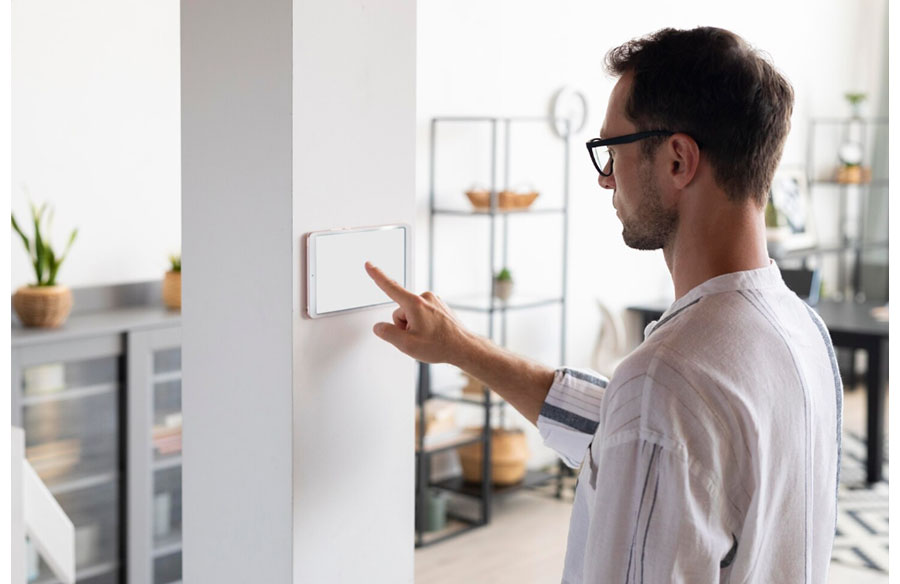
Homes today are smarter than ever. Thermostats adjust on their own. Appliances can be controlled from phones. Security cameras run all night. But all this convenience rests on a steady, affordable supply of electricity.
Here’s the catch: when energy plans are unstable, the technology becomes less effective. High bills or sudden outages undermine the very comfort that smart systems are meant to provide. That is why pairing modern devices with flexible energy options matters. The tech can only shine if the power behind it is reliable.
Designing With Utilities in Mind
Architects already think about efficiency in design. They plan layouts to capture sunlight, use ventilation wisely, and choose sustainable materials. But resilience means going further. It means weaving utility planning into the design process itself.
Some forward-looking strategies include:
- Adding solar panels with battery storage.
- Including backup generators for emergencies.
- Choosing insulation and glazing that reduce energy needs.
- Recommending flexible electricity contracts to new homeowners.
This way, resilience is not just built into the walls but also into the systems that keep the home running.
Why Predictability Matters
Volleyball bills that go high and low every season are not just an irritation. They complicate planning, saving, and being comfortable. Variable rate energy plans seem to be good initially, but may soar up during a heatwave or cold spell.
Sturdy houses are built on certainty. This is a monthly fee that can be counted on. It also implies that individuals are able to operate heating or cooling systems without doubting it. The fact that resilience is part and parcel of stability as well as solid foundations.
Comfort Without the Trade-Off
There is a common myth that efficiency or resilience means sacrifice. Less heat. Fewer lights. Fewer luxuries. The truth is, smarter energy systems usually do the opposite.
LEDs create better light with less power. Smart thermostats keep rooms perfectly comfortable while cutting waste. Deposit-free electricity plans ease financial stress, which makes moving or upgrading feel smoother.
Resilient living is not about giving things up. It is about enjoying comfort without the constant worry of what the bill will look like.
The Financial Side
Utilities take a big slice of household budgets. For some families, energy bills rival car payments. When costs are unpredictable, financial stress builds fast. According to EIA’s 2020 data, the average U.S. household spent about $1,884 on energy in that year.
Resilient homes cut that risk. Lower monthly bills, predictable rates, and fewer upfront costs create breathing room. That is not just financial savings, it is financial stability. A stable budget is as much a part of resilience as physical strength.
 Adding Renewables Into the Mix
Clean energy is often discussed in terms of sustainability. But it also supports resilience. Solar panels paired with storage give homes independence during outages. Wind or other renewables reduce reliance on strained grids.
When combined with flexible utility plans, renewables create homes that are both green and adaptable. According to NREL, renewable energy adds diversity to generation portfolios, strengthening system resilience and energy security.
Looking Ahead
Homes are evolving. The future will not only test physical structures but also the systems that keep those structures running. As energy demand rises and climate challenges intensify, utility flexibility will separate fragile homes from resilient ones.
Expect to see more designs where solar and storage are standard. Expect more households to choose plans that skip deposits and hidden fees. The market is moving toward accessibility and adaptability because the future demands it.
Final Thought
Resilient homes are not just about strong walls or green materials. They are about creating systems that keep life stable when the outside world is anything but.
Energy sits at the centre of this. Without reliable and flexible power, resilience is only surface deep. Options like no deposit electricity show how small shifts in planning can make a big difference. When energy is easy to access and predictable to pay for, homes feel truly prepared for the future.
The homes that embrace both strong design and flexible utilities will not just survive tomorrow’s challenges. They will thrive in them.