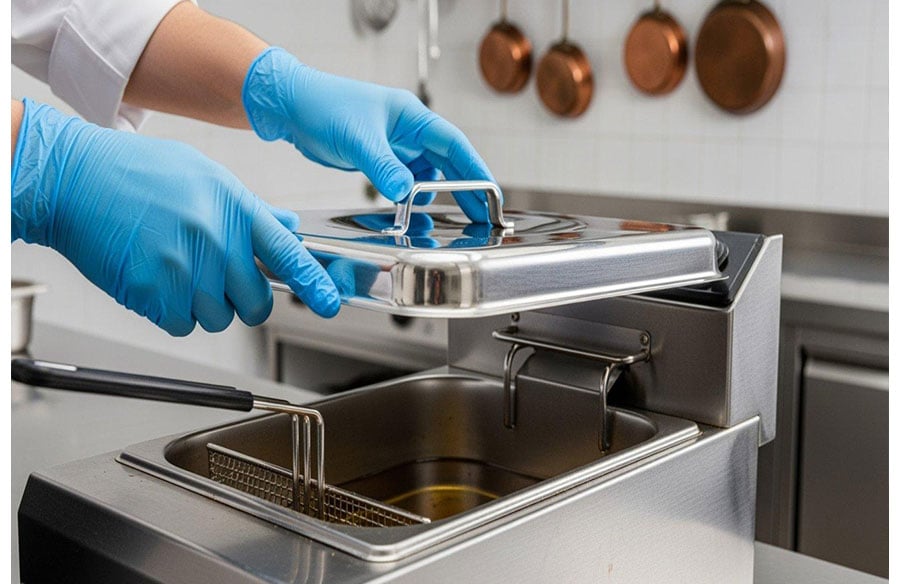
The saying “An ounce of prevention is worth a pound of cure” is especially true in busy kitchens. Taking care of your deep fryer with simple, scheduled maintenance is key for making it last longer, delivering consistently good food, and saving money. If you ignore your fryer, you face not just poor-tasting meals and disappointed customers, but also expensive repairs, equipment downtime, and even having to buy a new fryer sooner than expected. However, with a focus on steady, hands-on care, your fryer can keep running well for years-your food tastes better and your bottom line benefits. Most common fryer issues, like off temperatures or bent baskets, can be avoided if you stick to a regular maintenance plan.
Caring for a fryer is about much more than just changing the oil. Maintenance improves the taste of your food, keeps your staff safe, and helps your business save money. Daily oil filtering and regular deep cleaning can greatly improve your fryer’s performance and life. If you really want to make your oil last and work better, a Deep fryer oil optimizer can help cut down on how often you replace the oil-often the priciest part of fryer upkeep.
Why Regular Fryer Maintenance Increases Lifespan and Saves Money
What Happens When You Keep Up with Fryer Maintenance?
There are many direct benefits when you stick to caring for your deep fryer the right way. The first-and what you’ll notice most-is better food quality. Oil that’s dirty or full of crumbs makes your fried food taste odd and smell bad, which turns customers away. Cleaning your fryer and filtering oil keeps every batch tasting crisp and fresh, encouraging repeat business.
Caring for your fryer also helps it last longer. Well-kept equipment won’t break down as much and won’t need repairs as often, which means you don’t need to replace your expensive fryer before its time. A clean fryer also works better, using less energy and oil, which means lower utility costs and less money spent on oil over time.
How Upkeep Stops Major Repairs and Early Replacements
Your fryer is a machine with many parts that all need to work to avoid issues. Small problems, like clogs or stuck parts, can quickly turn into major repairs and costly downtime. Grease and food that aren’t cleaned out cause blockages, which lead to uneven cooking and slow drains. Clean your fryer daily to stop these problems from starting.
Burners or heating elements covered in grime may not heat evenly, ruining batches of food and wearing out the machinery. Checking and cleaning them helps keep everything running smoothly. If thermostats stop working and aren’t fixed right away, you can end up with spoiled oil or even damaged fryers. By staying on top of minor fixes, you avoid paying for major emergency repairs or having to replace the whole fryer.
What Happens If You Ignore Fryer Care?
If a fryer isn’t taken care of, things can go wrong fast. The oil will turn bad quickly, making food taste burnt or stale-bad for your reputation and profits. Grease and burnt-on food will stick to the surfaces, making cleaning harder each time and putting extra stress on the heating parts. This gunk can also cause fires and other safety problems.
Loose wires or gas leaks may be overlooked if safety checks aren’t done, which is very dangerous. Lights going out, wild oil temperatures, strange noises, cracks, or corrosion are all warning signs. If these go unchecked, you might need to make big repairs or stop operations altogether-losing ingredients, time, and putting your business at risk.
Key Maintenance Tasks That Extend Your Fryer’s Life
Daily To-Do: Filter Oil and Wipe Down Surfaces
Stick to a few basic actions each day to protect your fryer. The most important task is oil filtration. After every day of use, or several times a day for breaded foods, drain and filter the oil to get rid of crumbs and debris that make the oil degrade faster. You can use a skimmer during the day, but a full filter with paper or a special filter each day or every other day works best for the fine stuff.
It’s just as important to wipe down the fryer inside and out. Take out fryer baskets and give them a good wash each day. For the inside, drain the old oil and wipe the tank to stop grease from building up. Keeping up with these jobs stops grime from becoming a real problem and makes your big cleaning days easier.
Each Week and Month: Deep Clean and Boil-Out
Weekly and monthly attention goes deeper than your daily cleaning. Once a week, do a full wipe of the fryer’s body, controls, and any pipes or drains-clearing out any gunk with safe cleaners. Also, check the heating elements and gently clean away any stuck bits using a soft brush or cloth.
Once a month, tackle a “boil-out.” Take apart removable parts and clean them separately. Fill the fryer well with water and a recommended cleaning solution, then heat it to loosen tough, burnt-on grime. This removes what regular cleaning can miss and helps keep both the fryer and your oil working their best. Be sure to rinse and dry everything fully before adding new oil.
Check Fryer Parts for Damage and Safety Risks
Regular checks for signs of damage are key. Each week, look for gas leaks, loose connections, or issues with burner lights if you have a gas fryer. For electric fryers, inspect cords and plugs for wear and swap them out at the first sign of damage. Anything out of the ordinary should get quick attention from a pro.
About every two weeks, check your thermostat with another thermometer and recalibrate or replace it if necessary. Also, look over burners and heating elements to make sure they’re clean and working well. Finding issues early means less downtime and lower costs.
Take Care of Fryer Baskets and Accessories
Don’t ignore your fryer baskets. Bent or damaged baskets lead to unevenly cooked food. Clean and inspect them every day, and replace any that are broken. Also, wash other tools like skimmers and racks daily to avoid putting old food bits back in the oil. This helps keep your oil clean and your fried food at its best.
Check and Calibrate Thermostats
It’s really important to keep the oil at the right frying temperature. Every two weeks, check the thermostat using a separate thermometer. If the temperatures don’t match, recalibrate following your fryer’s manual, or get a new thermostat if it can’t be fixed. Make sure all knobs and buttons work smoothly, and free them from grease build-up. This protects both your fryer and your food quality while saving money by using less oil.
Best Practices for Managing Fryer Oil
How to Keep Oil Cleaner for Longer
Good oil management saves money and keeps your fryer in shape. Don’t load baskets directly over the oil, or salt foods over the vat-both drop crumbs and salt into your oil, making it break down faster. Use a mesh skimmer to pull out floating debris, especially after cooking breaded foods. Use fresh over frozen items when possible, since frozen food adds water to the oil and causes faster breakdown.
During downtime, turn the fryer down to about 280°F to help slow oil breakdown, and cover the fryer to keep out dust and air. These little steps make your oil last longer.
When to Filter, Top Off, or Swap Out Oil
Filter your oil at least once daily, and every fourth batch if cooking breaded items. Topping off the vat with fresh oil as needed helps keep the oil level correct and slows down breakdown. There’s no such thing as filtering the oil too often-the cleaner it is, the longer it lasts. Replace oil when it looks dark, smells bad, has a burnt taste, or when the food cooks unevenly. If you’re unsure, a digital tester can check oil quality.
| Task | Best Schedule |
| Filter Oil | Daily (or more often for breaded items) |
| Top Off Oil | As needed |
| Replace Oil | When dark, off-smell, or poor food quality |
How to Recognize Bad Oil
Watch for a burnt smell, bad taste, darker oil color, or a smoky haze even at normal temperatures. These are all signs to change the oil. Bad oil also means soggy or greasy food and may leave sticky residue, making cleaning your fryer harder and risking fryer damage.
Safety Tips: Protect Your Team and Fryer
Handling Hot Oil and Cleaning Chemicals Safely
Hot oil and cleaning chemicals are dangerous if not handled correctly. Always wear protective gloves, aprons, and face shields when working with hot oil. Only use containers meant for carrying hot oil, and don’t try to move a fryer full of oil-wait until it’s cooled.
When using cleaning products, make sure the kitchen is well-ventilated, wear gloves and eye protection, and follow all label instructions. Rinse away all cleaning chemicals before refilling with oil. Make safety training for both oil and chemicals a required part of your kitchen practice.
Common Fryer Mistakes That Cause Hazards
Never use water to put out an oil fire, this causes explosions and spreads the fire. Only use a Class K kitchen fire extinguisher or fire blanket, and be sure everyone on staff knows how to use them. Avoid dropping wet or frozen food into hot oil; ice turns to steam and can cause hot oil to splatter. Don’t overfill the fryer or cook too much food at once, as hot oil might spill out. Also, never place fryers near anything with an open flame, as oil can easily catch fire. Using a frying oil optimizer can help maintain oil quality and reduce risks, while careful fryer placement and focus on safety stop these common accidents.
When It’s Time to Get Professional Fryer Help
Signs That Call for a Service Technician
Sometimes fryers have problems that daily upkeep can’t fix. If you notice unstable temperatures even after adjusting your thermostat, strange noises, strong smells that linger, or your fryer just doesn’t cook food like it should, get help. Serious warning signs include cracks, rust, leaks, frequent problems with the pilot light, or any gas or electrical issues-all need a skilled technician right away for safety and reliability.
How to Pick the Right Service Provider
Choose a repair company with experience in commercial kitchen equipment and good reviews. They should offer fast response times, use certified technicians, and know how to fix your particular fryer model. Ask for references and read reviews before deciding. A reliable service partner not only makes repairs but should help you with tips to keep your fryer running better for the future. In New England, for example, K&D Factory Service is a well-known, trustworthy option for these needs.
How Good Maintenance Saves Money Long-Term
Comparing the Costs: Maintained vs. Neglected Fryers
When you compare a fryer that gets routine care to one that doesn’t, the difference in costs is huge. With regular maintenance, you mainly pay for oil, some cleaning supplies, and the occasional small part. Letting a fryer go without care seems cheaper at first, but you’ll quickly spend more on ruined oil, wasted food, repairs, and early replacement. Emergency repair bills and the cost of downtime are much higher than planned maintenance costs. Good oil filtering alone could prevent one in five repair calls, meaning real savings over time.
Why Preventive Care Is a Smart Investment
Staying ahead with routine fryer care isn’t just a cost-it’s an investment that saves money in the long run. When you stick to a schedule, your fryer lasts longer, saving you from having to buy a new one early. Better oil management means you buy less oil and waste less food. A clean, efficient fryer also uses less energy, cutting utility costs.
By catching problems early and keeping food quality high, you avoid expensive repairs and keep customers happy. All these small savings quickly add up, making preventive fryer maintenance a smart, money-saving move that keeps your kitchen running smoothly, safely, and profitably.