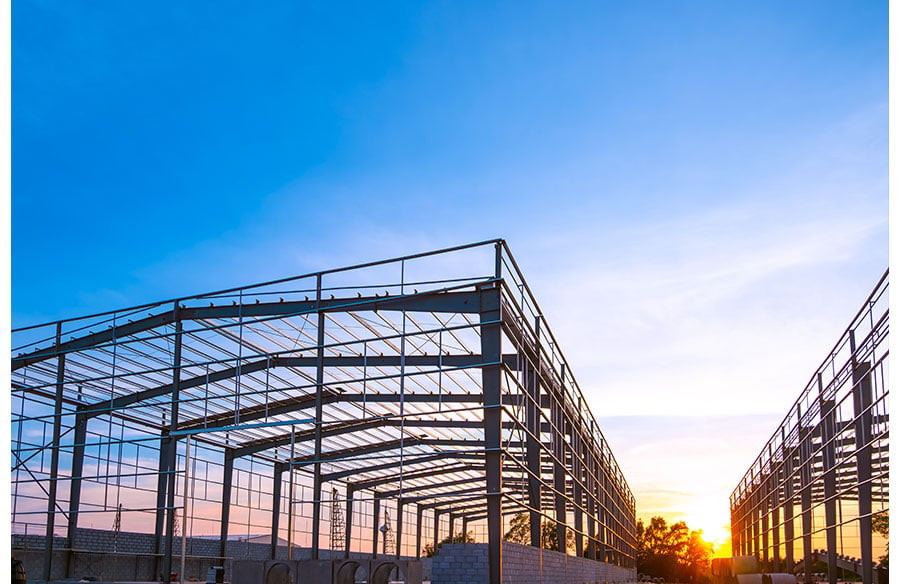
Running a facility means dealing with steady wear and tear. While these structures are built for strength, they are not free from risks. Exposure to heat, storms, and daily use can lead to damage that becomes costly if ignored. Small cracks, leaks, or rust patches may look minor but can grow into serious problems over time.
This is why steady care is essential. When you create a schedule of inspections and simple fixes, the structure stays in better shape and avoids large expenses later.
In this article, you will see why care matters, what areas deserve attention, how seasonal checks help, and when professional support is worth the cost.
Why Care Matters for Metal Structures
Steel buildings can last longer than many other options, but they are not indestructible. Without proper attention, surfaces corrode, seals fail, and insulation breaks down. Each of these issues leads to higher bills or safety concerns.
A clear plan for upkeep protects the structure from these risks. Acting early avoids paying for major repairs or full replacements. Keeping a building in solid condition also ensures workers, equipment, and stored goods remain safe inside. Over time, the money saved from prevention can be used for growth instead of constant fixes.
Seasonal Inspections for Metal Buildings
Seasonal checks are the heart of reliable metal building maintenance, helping owners and teams catch early signs of trouble such as panel rust, clogged gutters, or minor leaks that could grow into costly repairs. This preventive approach also supports energy efficiency by keeping insulation and seals in good condition.
Experts, including teams like MAR Building Solutions, highlight that structured inspection routines extend the lifespan of metal structures and reduce unexpected downtime. Instead of waiting for damage to appear, buildings remain in better shape when small issues are addressed right away. A well-planned schedule usually covers the following essentials:
- Roof and drainage systems: Clear debris, check for leaks, and ensure proper runoff.
- Fasteners and joints: Tighten connections and treat early signs of corrosion.
- Insulation and seals: Inspect for gaps, moisture buildup, or deterioration that affects efficiency.
Areas That Need Regular Attention
Beyond seasonal checks, certain parts of a structure demand steady focus. These are the spots that face the most stress or exposure.
- Roofing systems: Panels can warp under heavy heat or snow. Small leaks quickly grow into larger concerns if not fixed.
- Fasteners and joints: These keep the frame secure. If they loosen or corrode, the entire structure may weaken.
- Insulation: Damaged or damp insulation reduces comfort and increases heating and cooling bills.
- Exterior finish: Paint or coatings act as the first defense against corrosion and moisture. Fading or peeling should be handled quickly.
By keeping track of these areas, you build a clear picture of your facility’s condition and act before repairs become urgent.
Costs of Neglect
Delaying care may look like a way to save effort, but the hidden costs are real. When one small issue is ignored, it grows into a major repair. Each case shows why skipping checks creates more expense in the end:
- Roof problems: A minor leak left alone can spread and require full replacement, which costs several times more than patching.
- Insulation gaps: Even small openings raise energy bills month after month, pushing heating and cooling systems to work harder.
- Corrosion risks: Rust spreads quickly, weakens structural steel, and creates safety concerns for anyone using the building.
- Financial impact: Emergency work, higher insurance claims, and possible legal fees add to costs.
- Operational losses: Downtime from major repairs disrupts work schedules and reduces productivity.
Professional Support vs. DIY Care
Basic care can be handled on site, but some work requires professional assistance. A balanced plan of in-house checks and expert support gives the best results over time. Key points include:
- DIY tasks: Staff can clear gutters, test door seals, and check for early rust during seasonal walkthroughs.
- Expert needs: Larger jobs, such as roof replacement, panel repair, or structural inspection, need trained professionals with the right tools.
- Long-term savings: Paying for expert help may look costly, but it prevents mistakes that lead to repeat fixes.
- Safety assurance: Professionals understand codes and standards, which keep facilities safe for workers and visitors.
- Balanced approach: Mixing small routine care with expert attention extends building life and keeps costs predictable.
Conclusion
Preventive care is a smart investment that pays back in savings and safety. When small problems are caught early, they do not grow into costly repairs. Regular inspections, attention to key areas, and help from professionals when needed keep structures strong and reliable. Over time, this approach ensures lower expenses and a longer service life, proving that steady care is always more cost-effective than emergency repair.