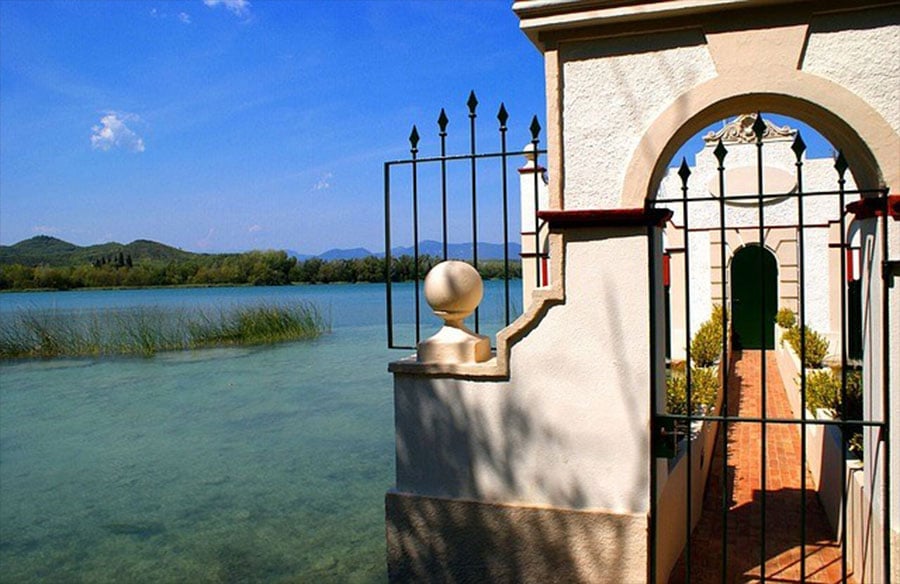
Are you dreaming of building your waterfront custom home? You need to understand that building a home waterfront is going to be a little bit different than building in commercial or residential areas.
Of course, you are imagining a dock to park your boat, a place for barbeque, arranging parties, and having fun with friends. And now the anxiety strikes – where do you start to fulfill your dream?
Don’t worry as we are going to walk you through the initial process. It is better to seek help from waterfront custom home builders (if you are inexperienced in such areas) as they will assist you with layout, design and any legal issues. However, you should keep in mind that there are few factors that you must observe personally while building your dream home.
Here are the seven things to consider when building your waterfront custom home. Let’s make your dream come true.
The Laws on Placement of Your Property
Before purchasing land to build your home, you must clear a few things. They are:
1. If your land falls under a wildlife conservation area, you will not be able to build a living place, cut any trees, or destroy the habitat of any animal for your intended purpose.
2. The Federal government can fine you for building a house without consulting with the related authority.
3. The permit from the authority that your land is safe to build a structure for living.
4. Having knowledge about making any alterations to your dock or any other structure.
5. If there are any flood insurance policies available in the areas, as the land in front of the water is usually low-land, and there is a high chance that the area will flood during monsoon or when the spring comes, and ice melts.
6. Ensure all the utilities are available, for example, gas, electricity, water, and sewage.
After that, you have to consult with your developer or architect to design a waterproof basement. It is crucial because they are hard to maintain and even harder to build as you have to determine the underground water level as well.
Consider Water Depth
Your engineer is going to check the water level to build the dock. This is perfect for families who prefer to enjoy fishing or sailing other than having picnics in the park.
The water depth, channels, and tide are important factors to keep in mind when you have a boat and have a passion for fishing.
You can take notes on tides, depths, nearby channels, and sand bars so that you know where you need to make the spot for docking your boat and make it easier for you to get the boat out when you want.
Even if you have a dock, it is better to be careful when considering deep-sea fishing. For example, if you live in or around New Orleans, opt for New Orleans Style Fishing Charters instead of using your own boat.
This way, you can learn more about deep-sea fishing without risk before attempting it on your own.
Ensure Your Design Engages With the Water View
When people build a house on land, they focus on curb appeal, including an attractive front design, sidewalk, or garden inside the front gate. However, when you are working on the layout of the house in front of the lake, your main focus must be the pier view.
An expert landscape architect plans the design of your dock in such a way that you can enjoy the time you spend in front of the lake.
Furthermore, you can ask your architect to design the dining, kitchen, master bed, or living facing the water and the scenic view.
Seek Expert Advice on Soil Quality
The soil testing for building waterfront custom homes requires a thorough investigation of the land. You’ll need to hire an expert related to construction who will test the soil for stability, geotechnical features, and flood plains.
An officer from the building department will help you to determine the water level and how far you need to build your home from the water level to be safe.
The soil tests also help you to determine the wastewater drainage plan of your house.
Design Septic System Without Affecting the Ecosystem
Even if your property is within a Waterfront Development, designing a waterfront custom house is not going to be the same as any other building construction. You must hire an expert drainage engineer who can determine where to put the septic tank so that it doesn’t hamper the ecosystem of the surrounding area.
At the end of the design, the expert is going to decide how to make effective use of the soil testing, drainage system, and septic tank placement will work altogether.
Inquire About Any Existing Sea Wall
Before starting the project, inspect any sea walls near your land where you want to build your dream house. If there is one, make sure you inquire about the maintenance.
Again, inspect for pylons, bulkheads, barrier walls, private bridges, or culverts before purchasing the land for your home.
On the other hand, seek advice from your neighbors when you need to make one to protect your property.
Communicate With Your Future Neighbors
In order to find out the problems you may encounter in the future, you may try to communicate with your future neighbors. They will tell you what complications they faced when they made their house.
Again, if there is a waterfront homeowners committee, you can join them and ask them if you have any questions regarding your journey of becoming a waterfront homeowner.
Conclusion:
There might be a few more factors that we couldn’t cover in this article other than the seven things to consider when building your waterfront custom home.
We recommend that you consult your contractor or service provider to talk about all the possible threats and advice on how to mitigate them even before they surface during the building process or when you start to live in the house.
You can also talk to nearby property owners who have already successfully completed building such a house in front of a lake or by the riverside for useful advice.