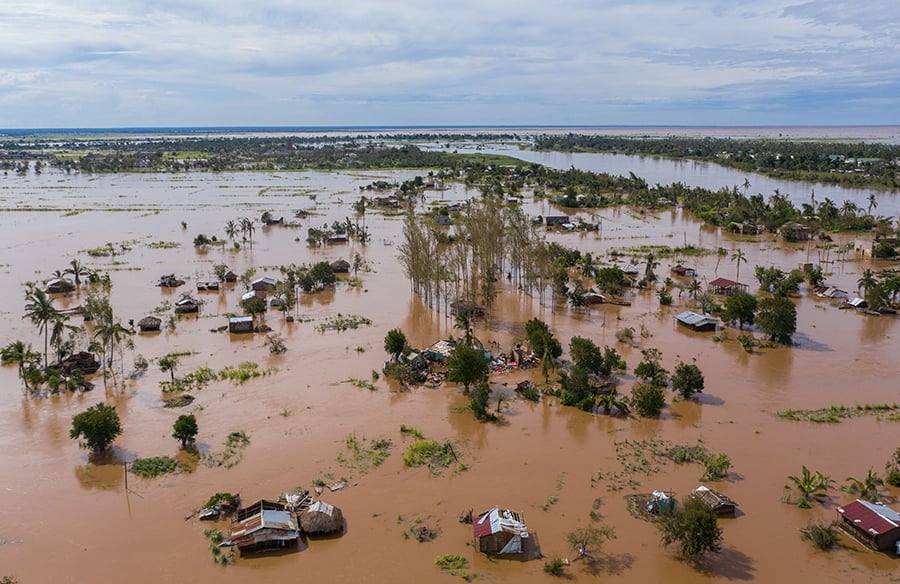
A Year of Climate Alarms
In 2025, extreme weather is no longer a distant headline. It’s the floodwater creeping into basements in the Midwest. It’s the wildfire smoke turning skies orange across Canada and California. It’s heat waves so strong they buckle roads and overwhelm power grids.
This year is shaping up to be one of the most disruptive on record — and the message is clear: climate change is rewriting the rules of daily life.
The State of Extreme Weather in 2025
Scientists have long warned us, but the numbers are now impossible to ignore. Data from the United Nations shows that weather disasters have doubled in frequency since the 1990s. In 2025, the acceleration is alarming.
- Flooding is swamping urban centers from Houston to Jakarta.
- Wildfires are burning through Mediterranean landscapes once considered safe.
- Heatwaves are stretching across Asia and Europe earlier and longer than ever.
Climate attribution science has advanced enough to say with confidence: human-driven warming is amplifying the intensity of these events.
Why Extreme Weather Is Getting Worse
Behind every flood, fire, or heat wave in 2025 lies a bigger story: the shifting balance of Earth’s climate system. Scientists point to several overlapping causes that are driving disasters to become more frequent and more destructive.
Rising global temperatures are the clearest culprit. Warmer air holds more moisture, which means heavier rainfall during storms and more intense downpours that trigger flash floods. At the same time, higher heat dries out soils and forests, turning landscapes into tinderboxes for wildfires.
The oceans are warming too, absorbing more than 90% of the excess heat trapped by greenhouse gases. That extra energy fuels stronger hurricanes and cyclones, with higher wind speeds and heavier rains. Coastal communities feel the brunt of this, often multiple times a year.
Another factor is the disruption of natural climate patterns. As polar ice melts, it alters jet streams and ocean currents, causing weather systems to stall. This is why some regions endure weeks of unbroken rain while others face relentless drought.
Deforestation and land-use changes also play a role. When forests are cleared, natural buffers against floods and heat vanish. Cities, covered in asphalt and concrete, intensify both heat and flooding because they can’t absorb water or cool down like natural landscapes.
Taken together, these forces explain why extreme weather is no longer a once-in-a-lifetime event. Climate change isn’t just making disasters more likely — it’s making them more severe, longer-lasting, and harder to predict.
Floods on the Rise
The rains are heavier. The rivers rise faster. And cities built on outdated infrastructure simply can’t cope.
This year, Pakistan’s Sindh province once again faced monsoon floods, displacing millions. In the U.S., flash floods in the Midwest swept through small towns with little warning, while European cities like Berlin saw metro stations underwater after record downpours.
The cost isn’t just property damage. Floods bring waterborne diseases, contaminate drinking supplies, and uproot entire communities. For insurers, flood risk is pushing premiums beyond affordability. For families, it means the uncertainty of starting over, sometimes more than once.
Wildfires Burning Hotter and Longer
In 2025, fire season doesn’t wait for summer. It lingers year-round in regions once known for predictable cycles.
Canada has already recorded one of its largest wildfire outbreaks, sending plumes of smoke across the border into U.S. cities. In California, dry winters and hotter springs mean forests ignite with little provocation. Even southern Europe is seeing catastrophic fires, with parts of Spain and Greece losing thousands of hectares of farmland and forest.
The ripple effects extend far beyond the flames. Smoke worsens asthma and heart disease. Wildlife habitats vanish. Local economies — from vineyards to tourism — face long-term losses.
The Human and Economic Toll
Every flood and fire carries more than environmental weight. It comes with human tragedy and financial upheaval.
- Lives lost in flash floods where warning systems fail.
- Families forced to abandon homes in smoke-filled valleys.
- Billions in damages overwhelming disaster relief budgets.
Mental health impacts are often overlooked but deeply felt: PTSD after evacuations, chronic anxiety about the next disaster, children growing up with constant disruption. Economically, insurance companies are pulling out of high-risk regions, leaving homeowners stranded.
What This Means for Our Future
The phrase “new normal” has become cliché, but 2025 proves it’s real. Climate extremes are not rare events — they are routine.
This shift means:
- Migration pressures: Communities in floodplains and fire-prone areas may face permanent relocation.
- Food insecurity: Droughts and floods disrupt global supply chains, driving up prices.
- Financial instability: Banks and insurers reconsider lending in climate-risk zones.
The long-term consequence is a world where resilience — not stability — defines everyday life.
Can We Adapt in Time?
Adaptation is happening, but unevenly. Wealthier cities are investing in flood barriers, elevated infrastructure, and AI-driven early warning systems. The Netherlands, for example, continues to lead in water management innovation.
In wildfire zones, governments are experimenting with controlled burns and stricter building codes to reduce damage. Tech companies are using satellites and predictive AI to track risks in real time.
Yet many communities, especially in developing nations, remain unprepared. Global adaptation funding lags far behind the billions needed. And without rapid investment, climate resilience could become another marker of inequality.
What You Can Do as an Individual
While governments and corporations play a crucial role, individuals aren’t powerless. Everyday choices can build resilience and reduce risk.
- Lower your footprint: Shift to renewable energy, reduce waste, and rethink travel.
- Support resilience efforts: Donate or volunteer for local disaster relief and climate adaptation projects.
- Protect your home: Elevate utilities, create fire-safe zones, and prepare emergency kits.
- Stay informed: Follow local alerts and be proactive rather than reactive.
It’s not about solving climate change overnight — it’s about preparing for the reality we live in today.
Conclusion: Living With Extremes
Extreme weather in 2025 shows us a future that has already arrived. Floods, fires, and heat waves are no longer exceptions; they’re shaping the way we live, work, and plan.
The question is not whether we can avoid them, but how we will respond. Collective action — from governments to communities to households — is our best defense.
For more insights into climate change impacts and sustainable living, read more from Environmental Blog.