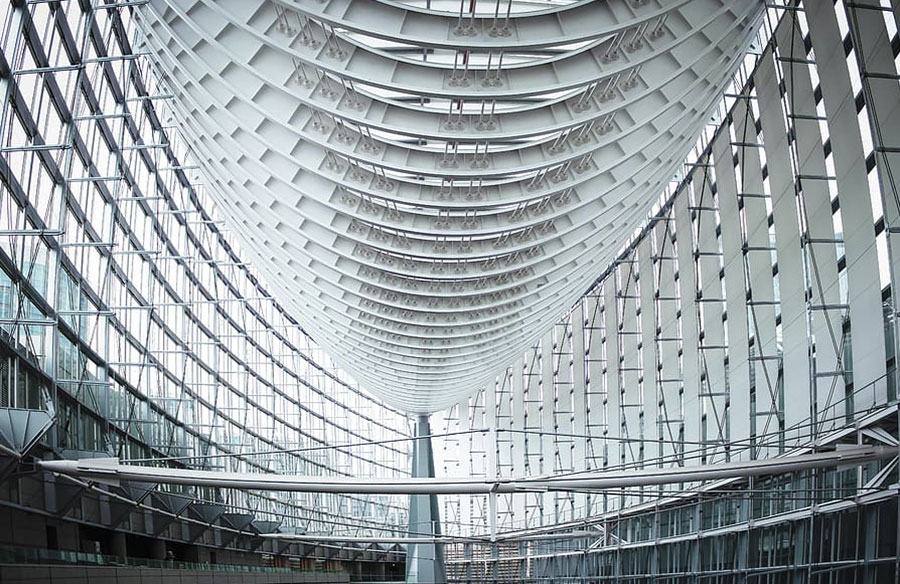
Imagine if we had a time machine, a magical device to go back in history and preserve the masterpieces of architectural marvels, standing tall for centuries. Well, the closest thing we have to that magic is “laser cleaning,” an innovative technology employed in modern architecture conservation. As fascinating as the name suggests, this method uses highly focused light energy to meticulously clean and restore our invaluable architectural heritage, breathing new life into them.
Understanding Laser Cleaning in Architecture Conservation
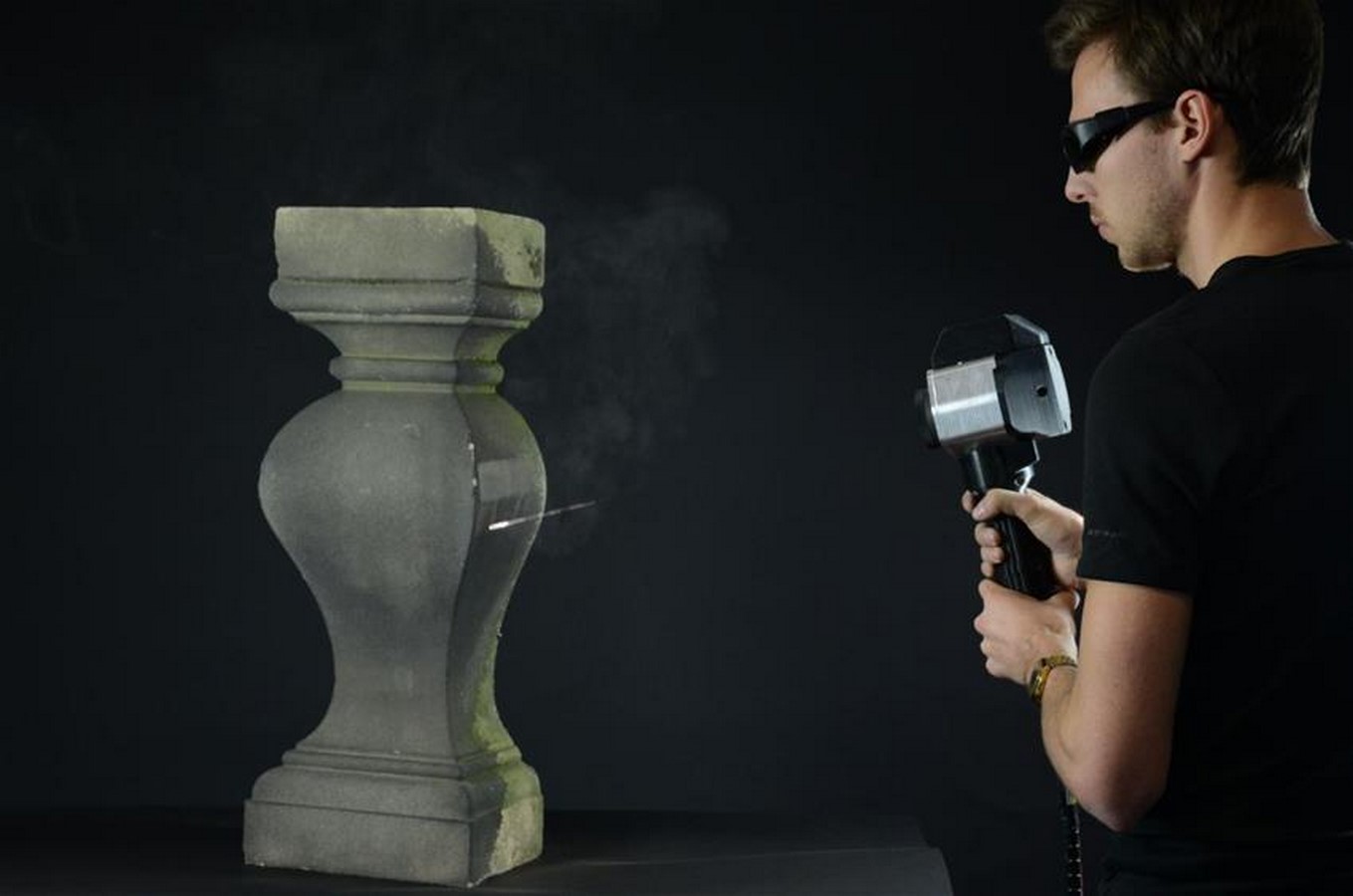
Laser cleaning is a non-contact, non-abrasive process that utilizes laser radiation to remove contaminants from surfaces. Laser cleaning system, often referred to as laser ablation, operates by irradiating the surface to be cleaned with a laser beam. The dirt or undesired material absorbs the laser energy, heats up, and is subsequently vaporized or ejected.
In the context of architecture conservation, laser cleaning serves as a groundbreaking tool for preserving and restoring historical buildings, statues, and other architectural elements. The process delicately removes pollutants, biological growth, or coatings without causing harm to the original surface. It’s like a magic wand that carefully erases years of weathering, pollution, and degradation, restoring the structure to its original glory.
The Significance of Laser Cleaning in Architecture Conservation
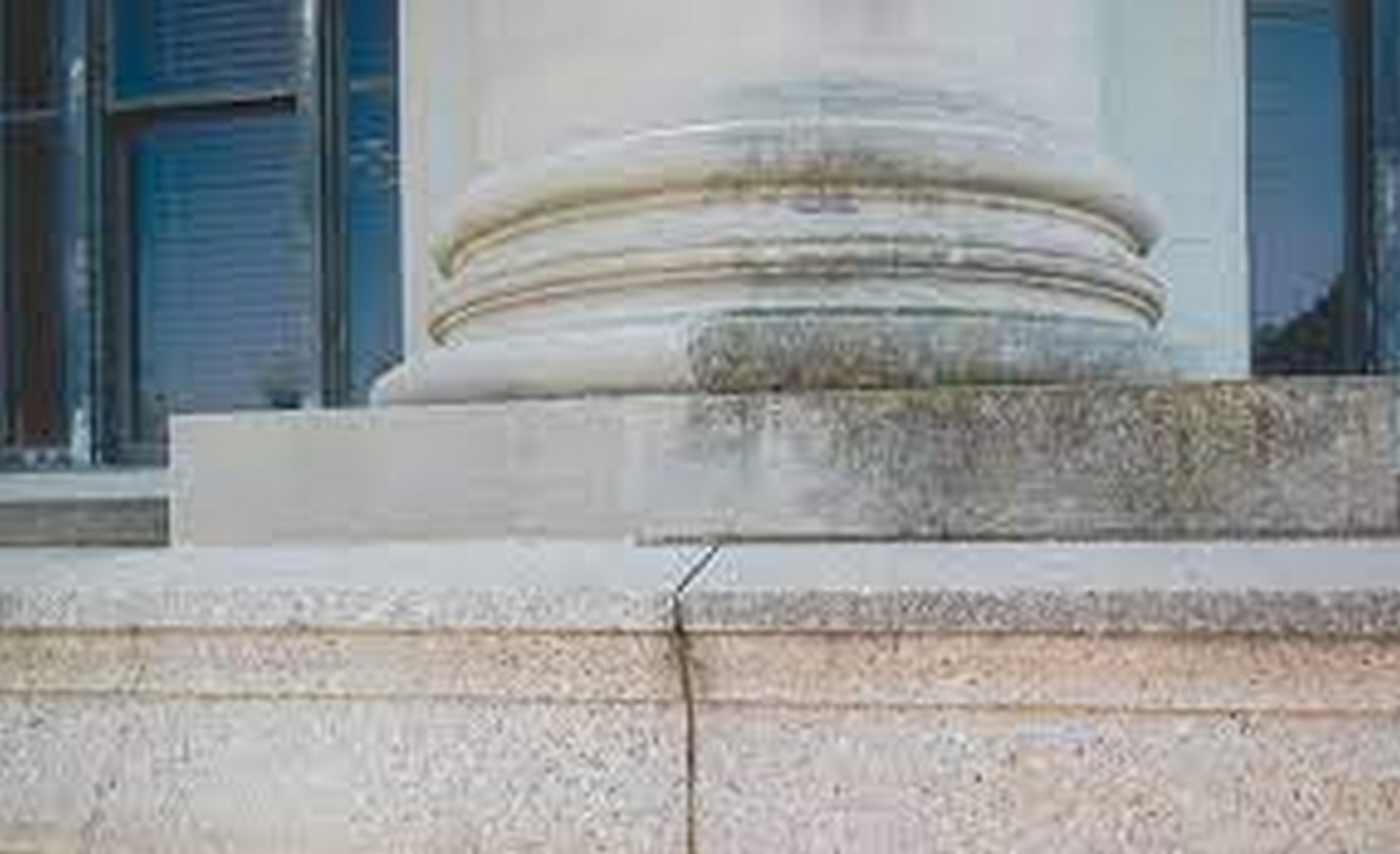 Laser cleaning’s contribution to the field of architecture conservation can’t be overstated. There are several compelling reasons why it is increasingly being adopted by conservationists worldwide:
Precision and Control: Laser cleaning allows for precise and controlled removal of contaminants without affecting the original surface, thereby reducing the risk of damage to the substrate.
Non-contact and Non-abrasive: It is a non-contact, non-abrasive method, making it ideal for sensitive structures where traditional cleaning methods can cause harm.
Versatility: It can be used on a wide range of materials, from stone and metal to wood and glass.
Environmentally Friendly: Laser cleaning generates no secondary waste and uses no chemicals, making it environmentally friendly.
Cases of Laser Cleaning in Modern Architecture Conservation
Laser cleaning has been employed in numerous conservation projects around the globe. Here are a few notable examples:
The Parthenon, Greece: In an effort to restore the ancient Parthenon temple, conservators used lasers to remove the black crusts that had formed on the marble over centuries.
Christ the Redeemer, Brazil: This iconic statue underwent a laser cleaning process to remove layers of grime, revealing the original soapstone underneath.
These instances provide strong validation for the growing application of laser cleaning in preserving global architectural treasures.
Challenges and Future Perspectives of Laser Cleaning in Conservation
 Despite its advantages, laser cleaning in architecture conservation is not without challenges. It requires skilled operators and understanding of the specific laser-material interaction, making it a time-consuming and costly procedure. However, as technology advances, improvements in cost efficiency and user-friendliness are anticipated.
Moreover, ongoing research in this field aims to develop laser systems tailored specifically for conservation purposes, offering a promising outlook for the future. As we continue to innovate, the art of conserving our architectural heritage also evolves, making preservation not just a mere act of maintenance, but an intricate fusion of art, science, and technology.
Deeper Dive into Laser Cleaning Techniques
Laser cleaning in architecture conservation is not a one-size-fits-all process. It is crucial to choose the right laser type and optimize parameters such as wavelength, pulse duration, and fluence, according to the specific cleaning requirements of the architectural element.
There are primarily three types of lasers employed in this field:
Infrared lasers: Effective in removing thick layers of pollution or coatings, due to their high penetration depth.
Ultraviolet lasers: Ideal for cleaning delicate surfaces and removing thin layers of unwanted material. They work on the principle of photoablation, causing minimal thermal damage.
Q-switched lasers: Provide short, intense pulses, making them suitable for precision cleaning.
The Scientific Process behind Laser Cleaning
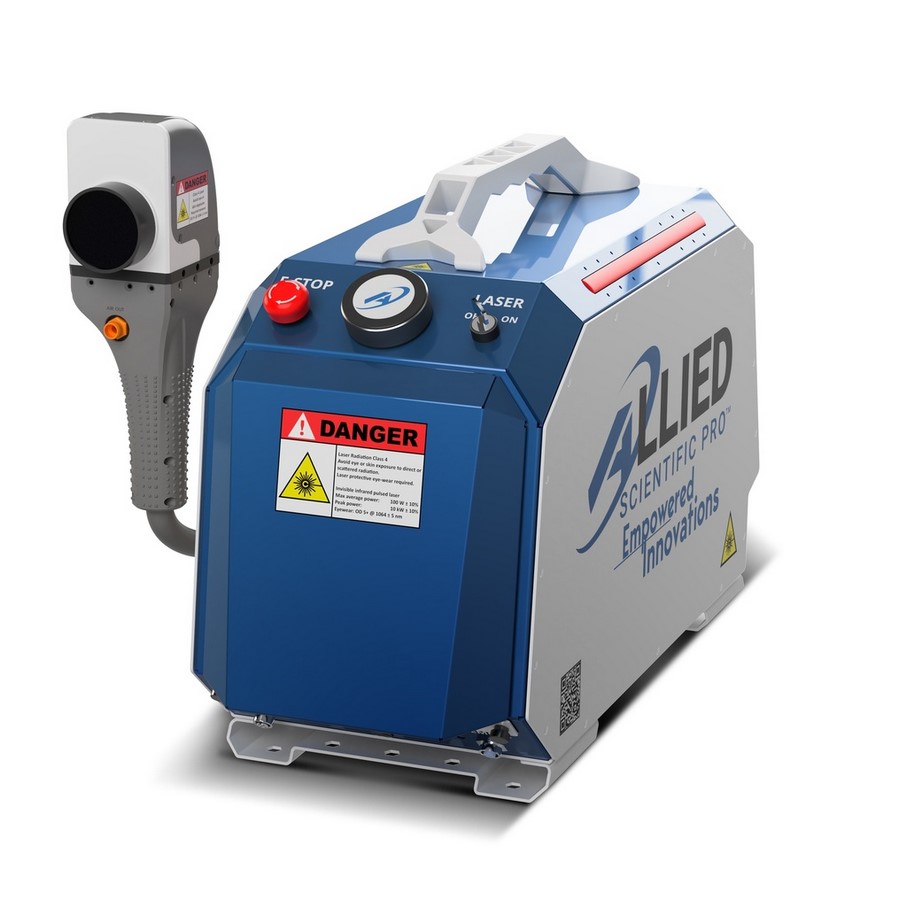 At a fundamental level, the process of laser cleaning can be divided into three stages:
Irradiation: The laser light interacts with the surface to be cleaned. The dirt layer absorbs the laser energy.
Heating: The absorbed energy causes rapid heating of the dirt layer.
Removal: The heat causes the dirt to vaporize or be ejected, leaving behind a clean surface.
This mechanism allows for precise control over the cleaning process and minimizes the risk of damaging the underlying material. The effectiveness of this process, however, heavily depends on the careful optimization of laser parameters according to the nature of the substrate and the contaminant.
Training and Expertise Required for Laser Cleaning
While laser cleaning offers a plethora of benefits, it’s important to note that it’s not as simple as pointing a laser beam and erasing the dirt. The process requires a trained operator who understands the intricacies of laser-material interaction.
A conservator must possess a clear understanding of laser physics, the properties of the material being cleaned, and the nature of the contaminants. This knowledge allows them to optimize the laser parameters effectively and predict the possible outcomes of the laser cleaning process. Moreover, ongoing training is essential to stay updated with the latest advancements and safety measures in the field.
The Economic Aspect of Laser Cleaning in Conservation
 Cost-effectiveness is an essential aspect to consider in any conservation strategy. The initial investment in laser cleaning equipment can be high. However, the long-term benefits, such as reduced maintenance costs, elimination of chemicals, and increased lifespan of the architecture, often offset the initial cost.
Moreover, as the technology matures and becomes more widespread, the cost of equipment is expected to decrease, making laser cleaning a more accessible option for conservation efforts worldwide.
Conclusion: Embracing the Future of Conservation
In the final analysis, the advent of laser cleaning in architecture conservation signifies a significant step forward in preservation techniques. Its ability to clean delicately, precisely, and without causing harm to the substrate has opened new avenues in the conservation field.
As with any technological innovation, challenges exist, and the path to widespread adoption may not be straightforward. Nevertheless, the potential benefits offered by this method, combined with ongoing research and development, make laser cleaning an exciting and promising prospect for the future of architecture conservation.
Preserving architectural heritage is more than just maintaining old buildings. It’s about safeguarding the embodiment of our collective past, and in using technologies like
laser cleaning, we ensure that our architectural treasures continue to tell their stories to the generations yet to come.