Architecture has always stood at the crossroads of function, design and art, shaping the way humans live, interact, and express identity. More than a collection of walls and roofs, architecture reflects the values of civilizations, blending practicality with creativity to produce spaces that are both useful and inspiring. From the symmetry of classical temples to the daring innovations of modern skyscrapers, every structure tells a story of cultural aspirations and artistic vision, emphasizing the enduring relationship between architecture, art and design.
The harmony of lines and forms lies at the heart of this architectural journey. Lines guide the eye, define space, and establish rhythm, while forms provide the physical identity that makes a building memorable. When woven together with thoughtful design, these elements elevate architecture beyond mere construction, transforming it into a language of art that communicates meaning without words.
Throughout history, architecture has evolved alongside society, absorbing technological progress and cultural shifts while continuing to serve as a canvas for human imagination. Today, the discipline not only responds to practical needs but also addresses environmental concerns, emotional well-being, and the pursuit of beauty. By exploring the relationship between lines, forms, and artistic expression, we can better understand how architecture shapes both our surroundings and our experiences.
Architecture As The Language Of Human Expression
Architecture has always served as a profound reflection of human identity, bridging the realms of design and art to create spaces that speak without words. Beyond the practical need for shelter, architecture functions as a universal language that conveys cultural values, social aspirations, and individual creativity. Every arch, column, or facade carries meaning, shaping not only how a structure is perceived but also how it interacts with those who experience it.
The artistry of architecture lies in its ability to merge functional design with symbolic intention. Ancient civilizations demonstrated this by constructing temples and monuments that were not only structurally impressive but also infused with religious and cultural significance. In modern times, architects continue this tradition, designing skyscrapers, museums, and public spaces that represent progress, innovation, and the evolving character of society. Through these creations, architecture stands as a permanent dialogue between the past, present, and future.
Lines, forms, and spatial arrangements are the vocabulary of this architectural language. Just as poets use rhythm and tone, architects rely on geometry, proportion, and balance to evoke emotion. A serene garden pavilion may communicate peace and contemplation, while a bold civic center expresses strength and unity. The design of each element reinforces the larger artistic narrative, proving that architecture is as much about storytelling as it is about construction.
Ultimately, architecture embodies the harmony of design and art, giving structure to human imagination and transforming ideas into enduring physical expressions of cultural identity.
The Balance Between Function And Design
Architecture thrives at the intersection of necessity and creativity, where function and design coexist in harmony. Every structure, whether a modest home or a monumental civic building, begins with the essential requirement of usability. Walls must provide safety, roofs must offer protection, and layouts must accommodate human activity. Yet, without the influence of design and art, these elements remain purely utilitarian, lacking the character and emotion that elevate architecture into a meaningful experience.
The balance between function and design is what transforms a simple structure into a work of art. For instance, a bridge is primarily engineered to connect two points and ensure stability, but its form can also express elegance through graceful arches or striking modern lines. Similarly, a residential home may be designed for comfort and efficiency, while thoughtful use of materials, light, and spatial composition brings beauty and individuality to its architecture. This fusion creates environments that are not only practical but also inspiring.
Design introduces proportion, rhythm, and texture into functional frameworks, reminding us that architecture is not just about building for survival but also about enhancing quality of life. When artful details are integrated into functional elements, such as decorative facades that also provide shade or innovative layouts that encourage social interaction, architecture becomes both purposeful and poetic.
In this way, the balance between function and design ensures that architecture serves human needs while simultaneously enriching cultural landscapes. It confirms that true architectural success is measured not only by utility but also by the ability to inspire and connect.
The Role Of Lines In Architectural Art
Lines are among the most fundamental elements in architecture, serving as the guiding framework of both design and art. They define the boundaries of space, direct visual flow, and establish the overall rhythm of a structure. In architecture, lines are not merely technical markers on a blueprint; they are expressive tools that shape the way individuals perceive and interact with built environments.
Straight lines, for example, often communicate order, strength, and stability. They dominate in modern architecture, where minimalism and precision emphasize clarity and function. Curved lines, on the other hand, introduce softness, motion, and elegance, often seen in structures that aim to evoke fluidity or natural forms. When combined, straight and curved lines create dynamic contrasts that enrich architectural design, transforming a simple building into a visual statement of art.
Beyond aesthetics, lines also influence the emotional experience of a space. Vertical lines can inspire feelings of aspiration and grandeur, as in towering cathedrals or skyscrapers, while horizontal lines suggest calmness and grounding, often used in residential architecture to foster a sense of balance and comfort. Diagonal and intersecting lines, meanwhile, introduce energy and movement, ideal for spaces that encourage activity and innovation.
Through careful manipulation of lines, architects create environments that tell stories and inspire emotions. In this sense, lines are the silent language of architecture, bridging the gap between design and art. They transform construction into composition, proving that every stroke in architectural planning carries meaning and intent.
 Forms As Foundations Of Structural Identity
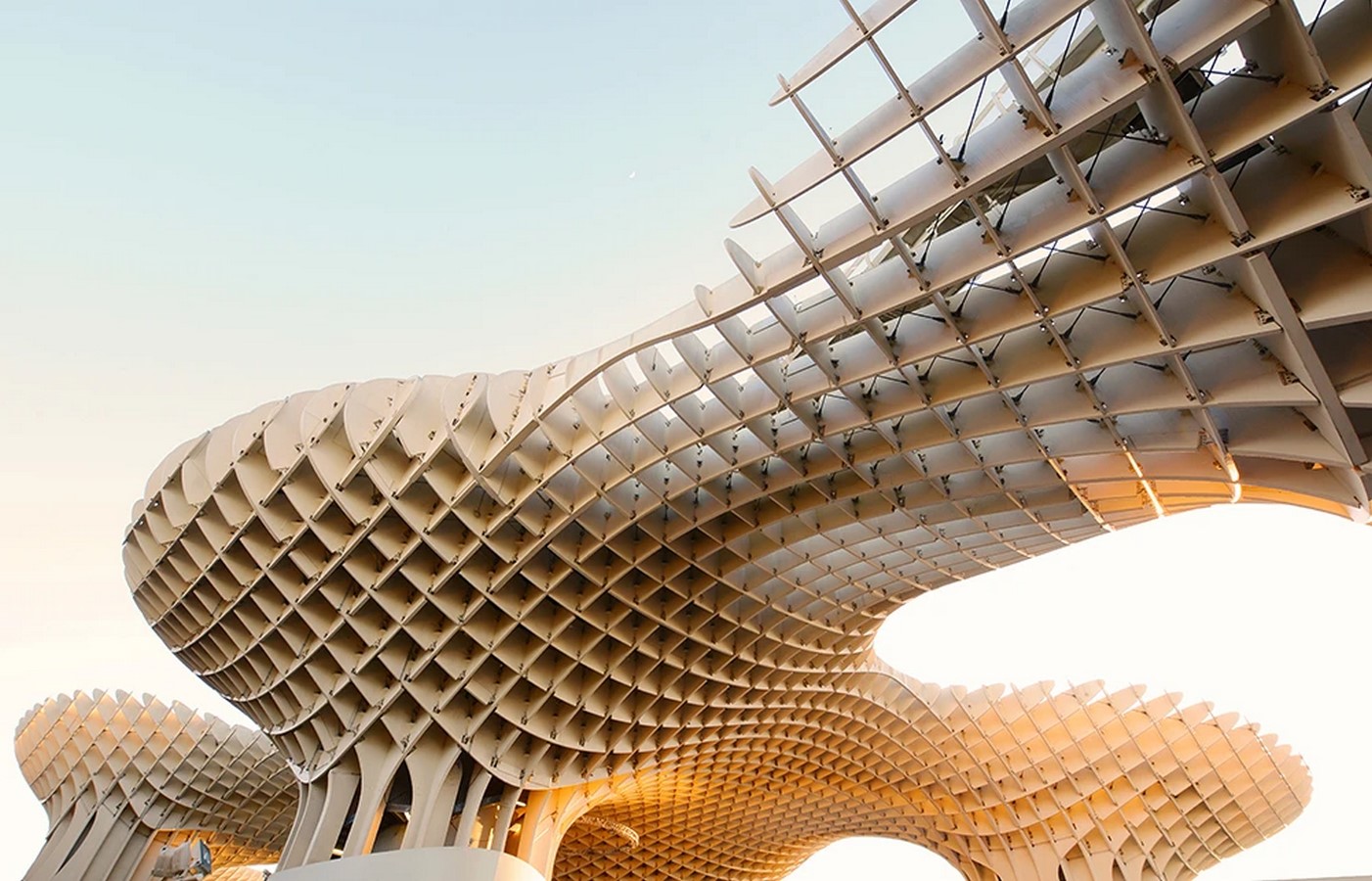
In architecture, forms serve as the essential foundation of structural identity, shaping how a building is recognized, experienced, and remembered. While lines define direction and rhythm, it is the form that gives architecture its tangible presence. Every structure, whether simple or complex, emerges from the thoughtful integration of forms, making design not only functional but also an expression of art.
Forms can be geometric, organic, or abstract, each carrying a distinct visual language. Geometric forms, such as squares, circles, and triangles, often convey stability, precision, and balance. These are commonly used in modern architecture, where design emphasizes clarity and order. Organic forms, inspired by nature, bring softness and fluidity, creating structures that feel alive and harmonious with their surroundings. Abstract forms, meanwhile, break away from convention, challenging perceptions and redefining the artistic possibilities of architectural design.
The choice of form impacts more than appearance; it shapes human experience. A soaring dome inspires awe and reverence, while a low, horizontal form promotes comfort and intimacy. Architects use these visual cues deliberately, blending art and design to create spaces that resonate emotionally as well as practically.
Forms also play a crucial role in unifying architectural identity within a cultural or historical context. Iconic landmarks often owe their recognition to their distinctive forms, proving how shape alone can symbolize meaning. Ultimately, forms are the physical embodiment of design, turning architecture into an enduring work of art that captures both imagination and function.
Historical Perspectives On Architecture And Design
Architecture has always mirrored the evolution of human civilization, serving as a visible record of cultural, technological, and artistic progress. From the monumental structures of ancient societies to the sleek minimalism of the modern age, architecture demonstrates how design and art have continuously adapted to meet human needs and reflect collective values. Each era tells its own story, marked by unique styles, forms, and philosophies.
In ancient Egypt, architecture emphasized grandeur and permanence, with pyramids and temples symbolizing power and divine connection. Greek and Roman design followed, focusing on proportion, harmony, and balance—principles that remain influential in architecture and art to this day. During the Gothic period, soaring cathedrals expressed spiritual devotion through pointed arches and stained glass, blending engineering mastery with artistic splendor.
The Renaissance brought a renewed interest in classical ideals, where architecture embraced symmetry, perspective, and the integration of art into structural design. Later, the Industrial Revolution introduced new materials such as iron and steel, expanding possibilities for larger, more functional buildings while still allowing creative expression. In the twentieth century, movements like modernism and brutalism redefined architecture, shifting toward simplicity, functionality, and innovative forms.
These historical transitions highlight how architecture is never static. Instead, it evolves alongside society, absorbing changes in technology, culture, and artistic vision. By studying these developments, we gain insight into the enduring dialogue between design and art, understanding how each generation has used architecture to express identity, aspiration, and human creativity.
Modern Minimalism In Design Philosophy
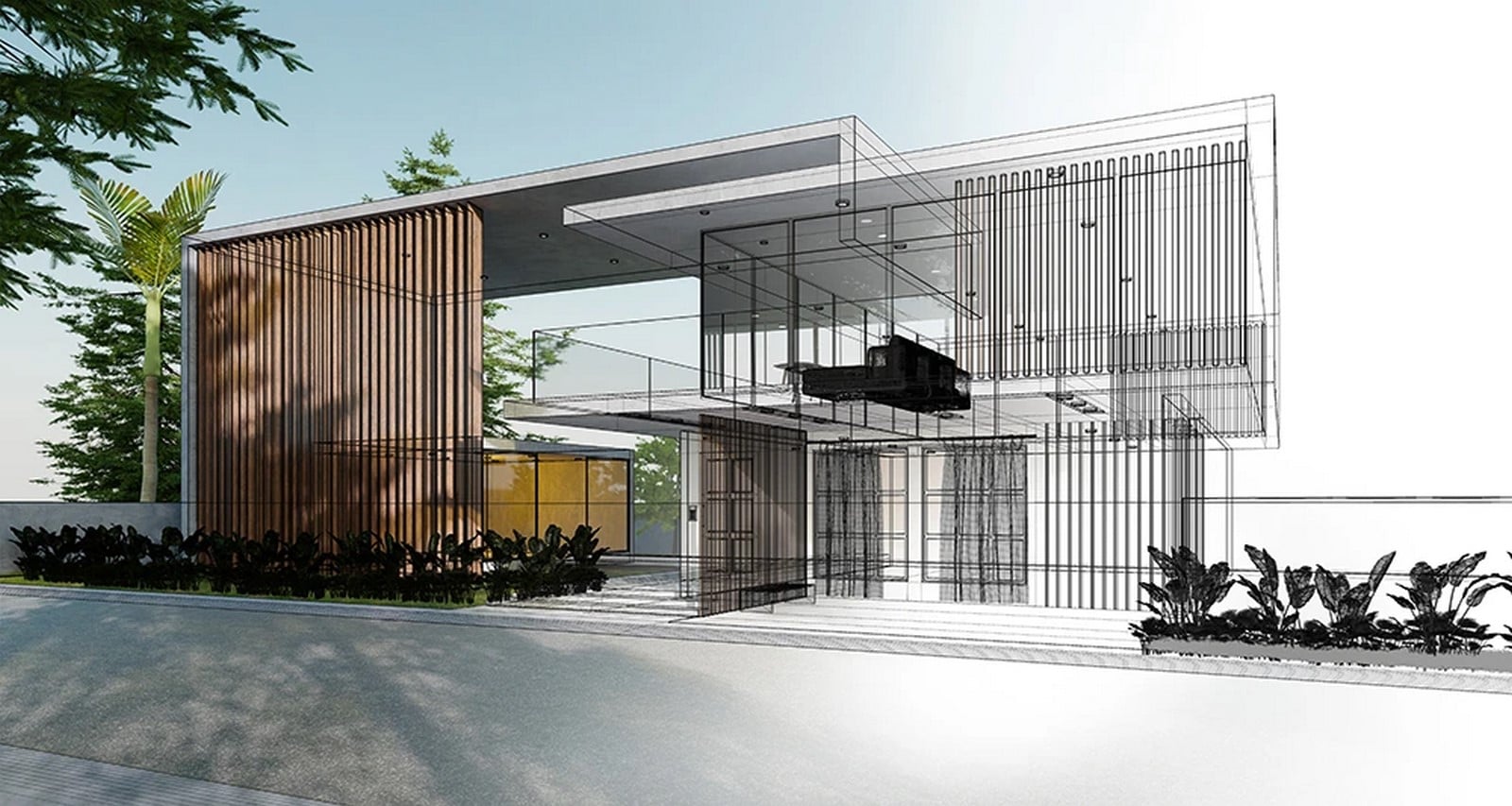
Modern minimalism has become one of the defining philosophies in contemporary architecture, emphasizing simplicity, clarity, and purposeful restraint. Rooted in the idea that “less is more,” this approach to design strips away unnecessary ornamentation, focusing instead on clean lines, open spaces, and functional beauty. In architecture, minimalism transforms structures into elegant statements where every element has intent and nothing is superfluous.
The appeal of minimalism lies in its ability to balance practicality with art. By using simple geometric forms, neutral color palettes, and natural materials, architects create spaces that feel both timeless and calming. Open floor plans and large windows often accompany minimalist design, allowing natural light and seamless connections with the environment to shape the experience of a space. This harmony between architecture and nature highlights how design can enhance daily living without overwhelming it.
Minimalism is not solely about visual aesthetics; it is also about clarity of purpose. In residential architecture, it promotes functionality by removing clutter and focusing on essential needs, resulting in spaces that feel more livable and versatile. In commercial or civic design, minimalism communicates efficiency, transparency, and modernity, aligning art with contemporary values.
Ultimately, modern minimalism demonstrates how architecture can achieve beauty through simplicity. By prioritizing form, function, and balance, minimalist design reveals that restraint can be as powerful as extravagance. In doing so, it affirms the role of architecture as both a discipline of precision and a profound expression of art in the modern world.
 The Emotional Impact Of Architectural Spaces
Architecture is not only about physical structures; it is also about the emotional experiences these spaces create. Through thoughtful design and the integration of art, architecture has the power to influence mood, behavior, and perception. The way lines, forms, light, and materials are arranged determines whether a space feels inspiring, calming, intimate, or monumental. In this sense, architecture is as much about human psychology as it is about construction.
Religious architecture provides a clear example of this emotional impact. Cathedrals, mosques, and temples are designed to evoke awe and reverence through soaring ceilings, dramatic lighting, and intricate artistic details. By contrast, residential architecture often prioritizes comfort and intimacy, using warm materials, balanced proportions, and functional layouts to foster a sense of belonging and security. In both cases, design choices extend beyond utility, shaping how individuals feel within the space.
Public spaces also reveal the role of art and design in emotional expression. Parks, museums, and civic buildings are often crafted to encourage connection, reflection, or pride. The scale of a plaza can instill community unity, while the geometry of a modern gallery may provoke curiosity and creativity. Architects deliberately use these tools to create environments that resonate with human emotion.
Ultimately, the emotional impact of architecture underscores its dual identity as both science and art. By combining structural function with artistic design, architecture becomes a medium that not only houses activity but also enriches human experience, leaving lasting impressions on individuals and societies alike.
The Future Of Architecture As Living Art
The future of architecture is increasingly defined by innovation, where design and art converge to create structures that adapt to human needs and technological advancements. No longer limited to static forms, architecture is evolving into a dynamic field that embraces flexibility, sustainability, and interactivity. This transformation positions architecture not only as a science of building but also as living art that responds to the rhythms of modern life.
Emerging technologies are central to this evolution. Tools like 3D printing, modular construction, and smart systems allow architects to design with greater precision while reducing waste and improving efficiency. These innovations enable forms that were once unimaginable, merging structural logic with artistic creativity. The result is architecture that is both functional and expressive, redefining the boundaries of design.
The integration of digital systems also signals a new era where buildings interact with their occupants. Smart homes and responsive public spaces can adjust lighting, temperature, and layout according to human activity, turning architecture into an adaptive partner in daily life. Such designs demonstrate how art and technology can merge seamlessly to enhance comfort and efficiency.
Looking ahead, architecture will continue to balance aesthetic ambition with environmental responsibility. Concepts like biophilic design, which incorporates natural elements into urban environments, highlight the role of art in reconnecting humanity with nature. In this way, the future of architecture is not only about constructing spaces but also about cultivating experiences. It affirms architecture as a living art form—innovative, responsive, and deeply human.
Conclusion
Architecture continues to stand as a testament to the harmony between design and art, shaping not only our environments but also our experiences. By uniting functionality with creativity, architecture transforms simple spaces into meaningful expressions of culture, identity, and innovation. Lines and forms guide the eye, while artistic details inspire emotion and reflection, proving that architecture is more than construction—it is a dialogue between humanity and its surroundings. As societies evolve, architecture will remain a living art form, balancing utility with beauty and ensuring that every design reflects both human ingenuity and the timeless pursuit of artistic expression.