
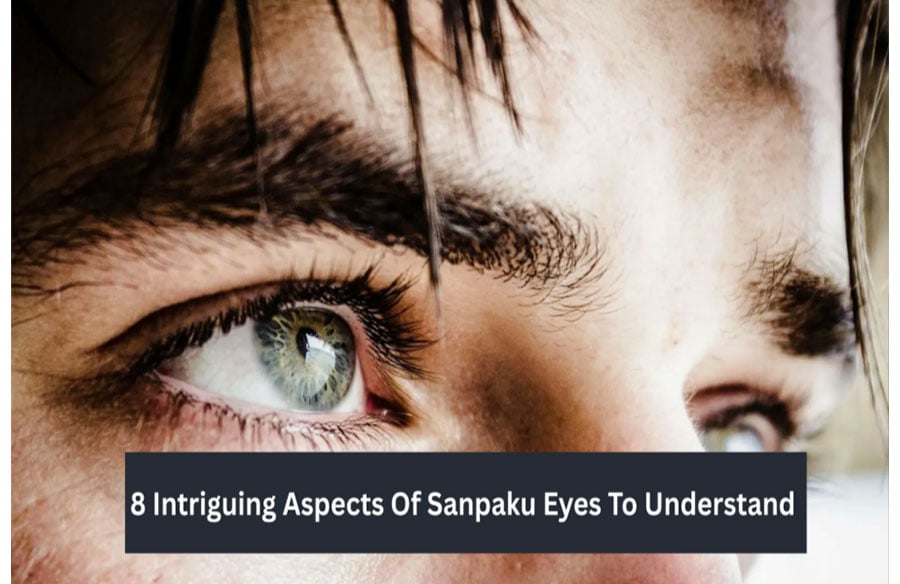
Have you ever heard the word Sanpaku eyes and felt curious?
Maybe you’ve seen photos of celebrities dissected online, with folks highlighting the whites of their eyes and connecting it to destiny, health or personality traits. The intrigue generally stems from two places: the first is a kind of marveling at just what Sanpaku eyes actually are, and the second is a fascination with the combination of cultural superstition and medical explanation behind them.
For many, it is confusing — are these beliefs rooted in science or are they simply symbolic ideas that somehow survived the test of time?
The subject becomes even more intriguing when we consider that something as minor as a smudge in someone’s appearance has been linked to everything from the state of mind to predictions of hard times ahead.
To help you solve the mystery, this article explores eight interesting aspects of Sanpaku eyes.
1. The Meaning of Sanpaku
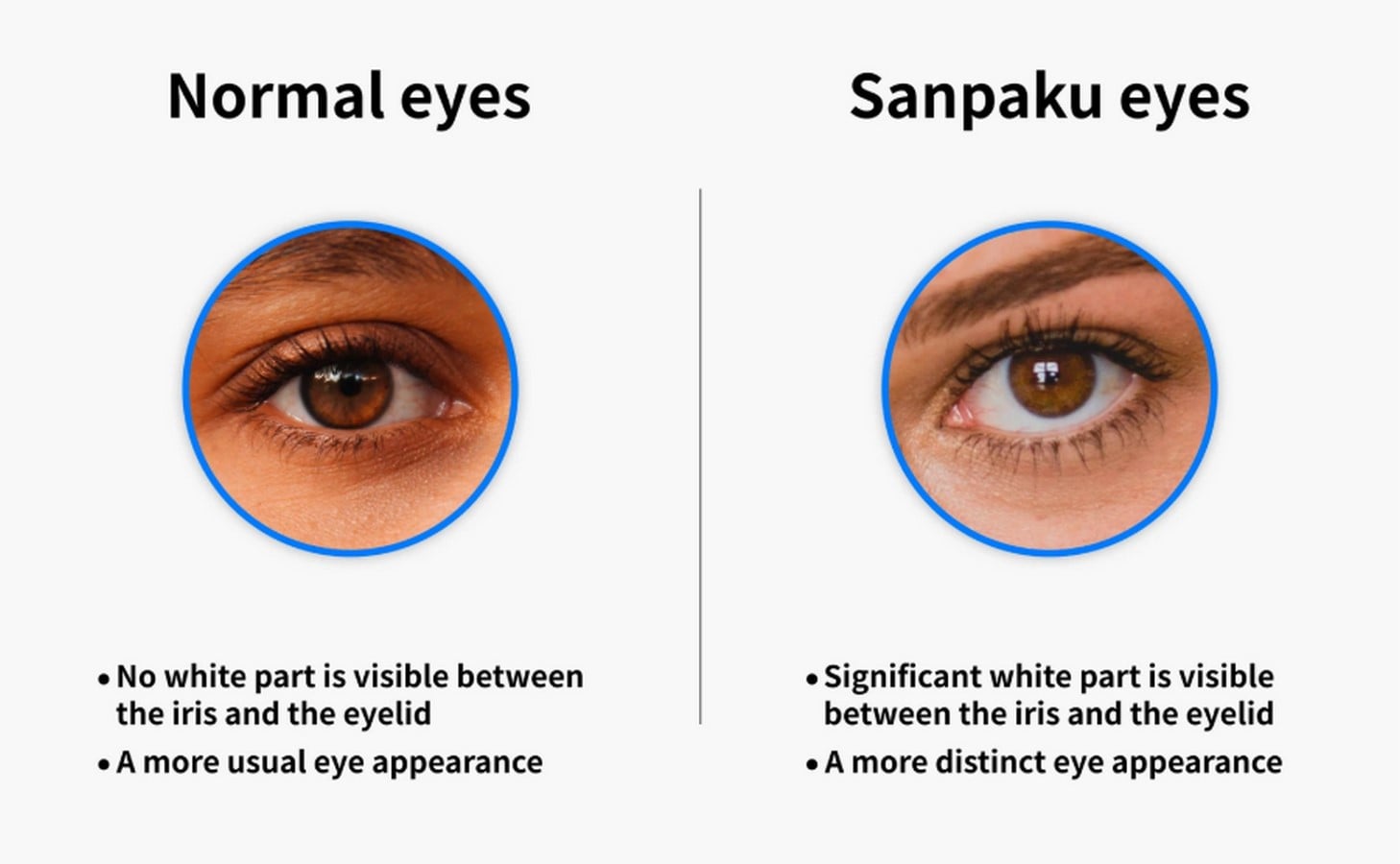 Sanpaku is the Japanese word, which means “three whites.”
The whites of the eye (sclera) are usually only visible on the left and right sides of the iris. But in Sanpaku eyes, the sclera is also visible either above or below the iris, resulting in what looks like three visible whites.
This seemingly slight difference in eye form has been understood in cultural and medical contexts for centuries.
2. The Yin and Yang Types
Not all Sanpaku eyes are created equal. According to the traditional Japanese belief, they are classified as yin and yang.
Yin Sanpaku occurs when the white is seen below the iris. It has frequently been linked to vulnerability, health battles or emotional instability. Yang Sanpaku, by contrast, occurs when the white is visible above the iris. This category has historically been associated with aggression, volatility, or outside threat.
These analyses show how pervasive the links between physical traits and symbolic significance have remained in cultural traditions.
3. Cultural Superstitions and Fate
 One of the most interesting things about Sanpaku eyes is the superstition surrounding them. In Japan, this condition is frequently thought to be a sign of doom.
Yin Sanpaku was said to mark individuals who were potential victims of their own troubles, such as bad health or nervousness. Meanwhile, yang Sanpaku was often thought of as a portent of external threats, sometimes even violent ones.
This view gained traction in the West during the 1960s, when writer George Ohsawa promoted it in his books on macrobiotics and Eastern philosophy.
4. Famous Faces with Sanpaku Eyes
Interest grew even more when people began pointing out Sanpaku eyes in famous individuals. People like Marilyn Monroe, Princess Diana and John F Kennedy have frequently been the subject of Yin Sanpaku talk, while those such as Charles Manson have been cited as examples of yang Sanpaku.
And in contemporary popular culture, pop stars like Billie Eilish have brought the conversation back into the spotlight. Whether or not one believes in superstition, the association with celebrities ensures that it remains a topic of conversation across the globe.
5. A Medical Perspective
Far beyond cultural belief, Sanpaku eyes also have a medical explanation. Scleral show is the term used in ophthalmology for this condition.
It can be due to genetics, part of the normal aging process or due to thyroid diseases and trauma to the eye region. Furthermore, eyelid retraction or excess skin around the eyes can cause an increased visibility of the sclera in some situations.
Scleral show does not pose any immediate danger, but it can occasionally be a sign of health conditions that need medical treatment. It is this viewpoint that roots the discussion in science, balancing the mystery with clinical insight.
6. Psychological and Emotional Associations
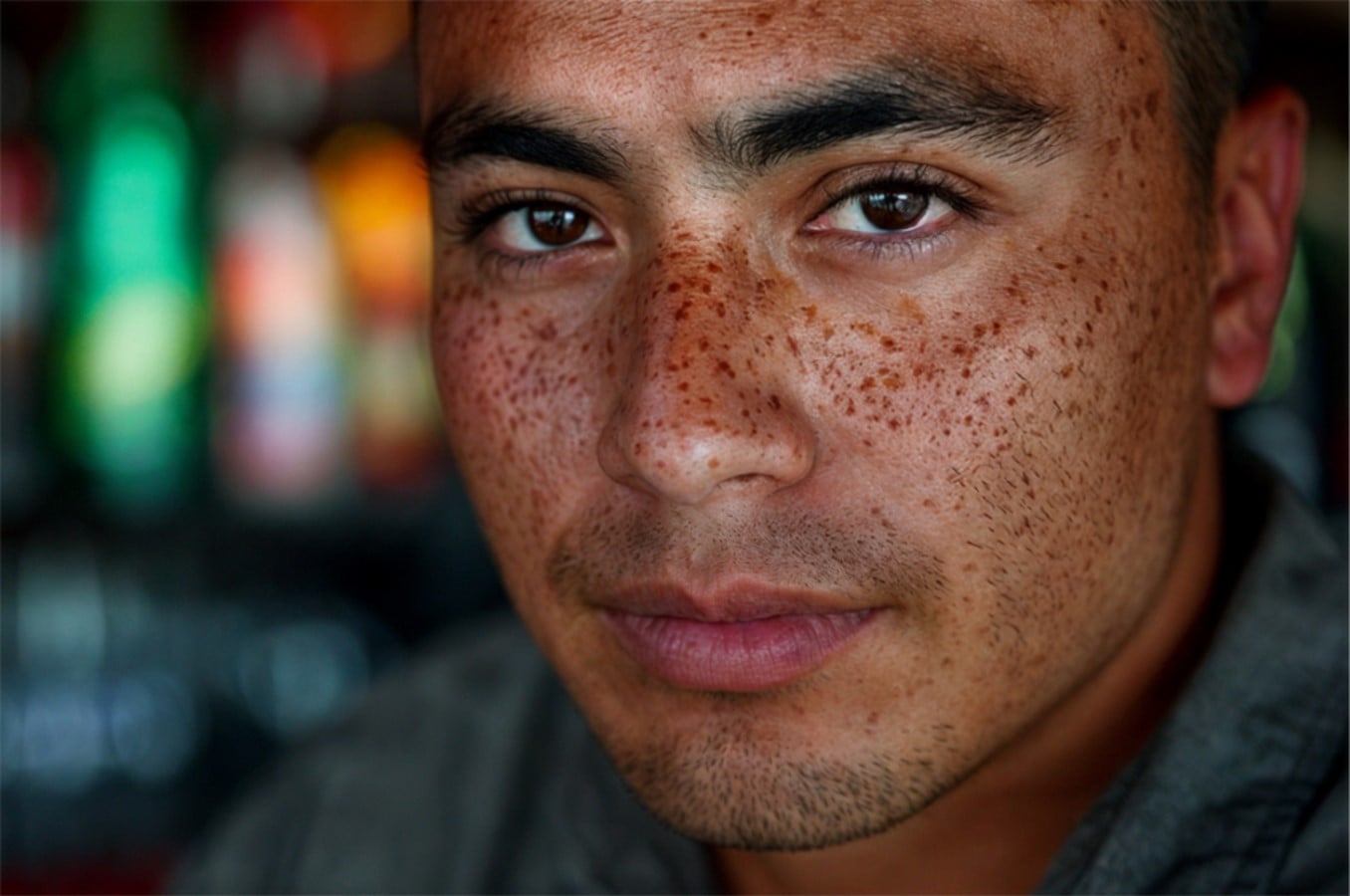 For a long time, eyes have been called the windows to the soul, and Sanpaku eyes are frequently associated with emotional states. Some interpretations suggest that yin Sanpaku shows exhaustion, anxiety or a corresponding emotional imbalance, whereas yang Sanpaku reflects aggression or emotional instability.
Although these associations are speculative, they demonstrate that people’s physical appearance can serve as a canvas for attributing personality traits and emotions. This dynamic between perception and psychology only adds a further layer of mystery.
7. Treatment and Cosmetic Approaches
Cosmetic solutions such as make-up or surgery are available for those who feel uneasy about having Sanpaku eyes. Surgical options such as blepharoplasty can be employed to decrease scleral show by surgically adjusting the eyelid. Fillers or skin tightening may also benefit in some cases.
But it’s worth noting that Sanpaku eyes are not necessarily a defect—they’re just a simple natural variation in human appearance. What to do is often more a matter of personal preference than medical necessity.
8. Why the Fascination Persists
What’s intriguing about Sanpaku eyes is that they are a rare case in which beauty, superstition and science overlap.
On the one hand, they are a symbol of how cultural myths interpret physical features as signs of destiny. On the other hand, they show how medicine can offer practical explanations. Our fascination with celebrities who have this characteristic ensures the discussion remains relevant, connecting historical thought to current inquisitiveness.
In the end, Sanpaku eyes are a reminder of how seemingly small physical details can trigger massive questions about identity, destiny, and perception.
Lasting Allure of Sanpaku Eyes
Sanpaku eyes are more than just an aesthetic variation—they are a cultural phenomenon that blends superstition, psychology, and medical science. From ancient Japanese beliefs to modern-day celebrity analysis, they have sparked intrigue across generations.
By understanding the meaning, types, and interpretations of Sanpaku eyes, we gain insight into how humans link physical appearance with deeper narratives about life and destiny.
Whether viewed through the lens of culture, medicine, or personal choice, these eight aspects reveal why Sanpaku eyes remain such a captivating subject.