Gone are the days when luxury real estate was synonymous with ostentatious mansions and gilded finishes. The 21st-century ultra-high-net-worth individual seeks something far more profound: a personalized sanctuary that prioritizes experience, well-being, and a conscious connection to the world. The new opulence is not about what you can see, but what you can feel. This shift has given rise to a new set of architectural trends where design is meticulously crafted to enhance human experience and respect the planet. For firms like FGP Swiss & Alps, which specializes in crafting unique alpine properties, understanding these nuances is paramount to creating homes that are not just buildings, but legacies.
Biophilic Design: Nature as the Ultimate Luxury
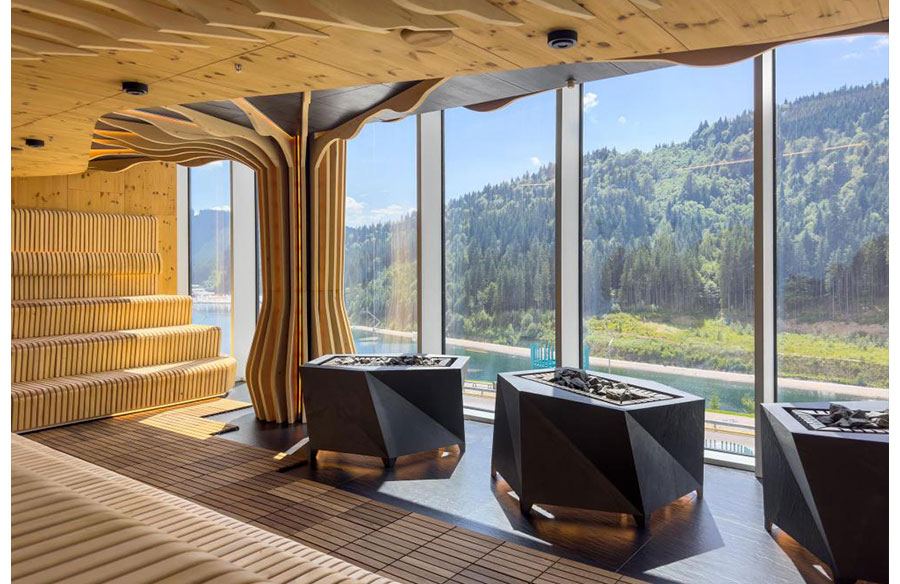
The most significant trend is the move to fully integrate the natural world into the living experience. Biophilic design moves beyond a simple potted plant to become a core architectural strategy. This means expansive, floor-to-ceiling glazing that frames breathtaking views and floods interiors with natural light, seamlessly erasing the boundary between inside and out. It manifests in interior courtyards, green living walls, and the strategic use of materials like reclaimed wood, natural stone, and rammed earth. The goal is a multi-sensory, restorative environment that lowers stress and enhances well-being, making nature itself the most valuable amenity.
The Invisible Smart Home: Seamless Technology
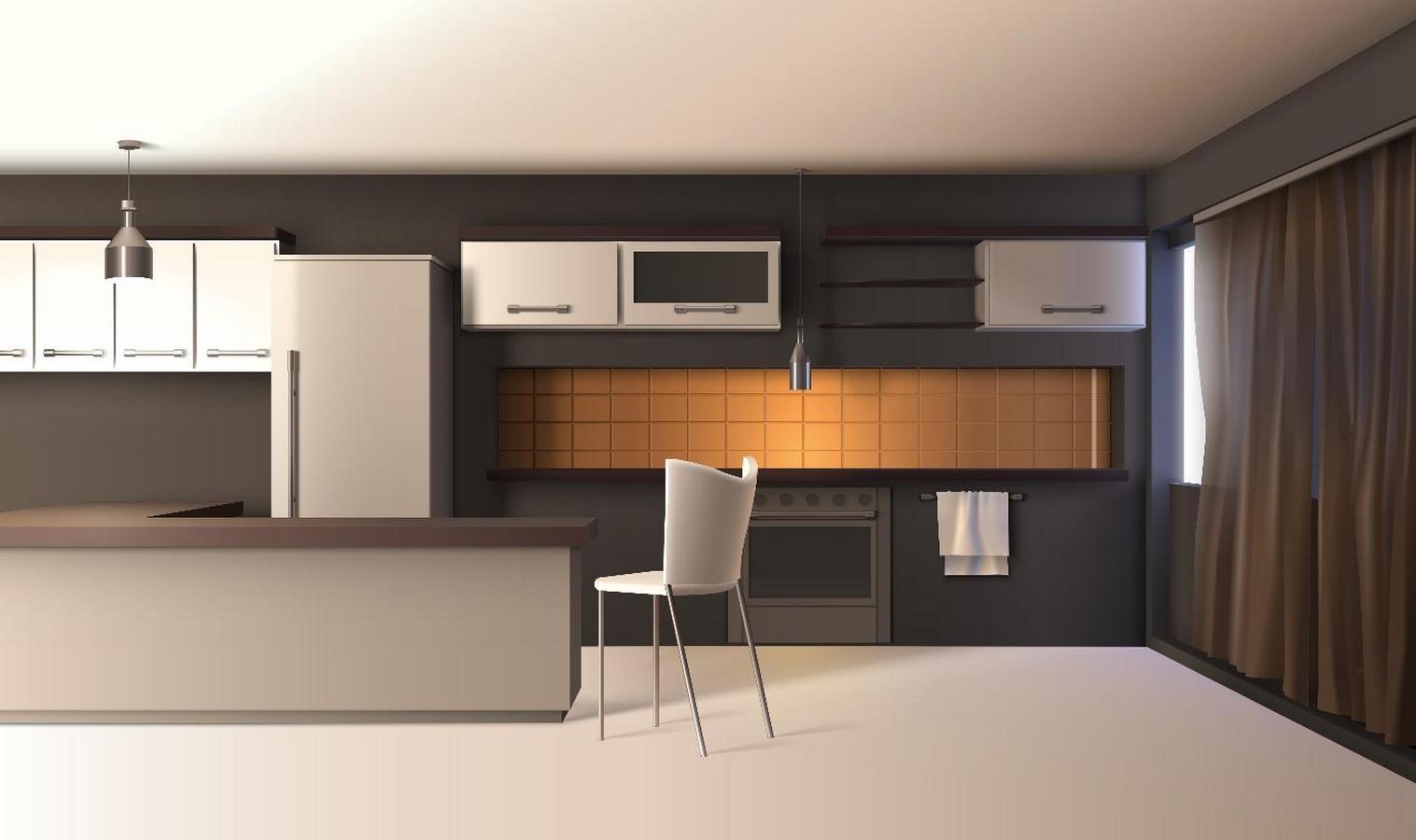 Technology in the luxury home has ceased to be a display of gadgets. The new luxury is invisible technology. Architects are now designing homes to be hyper-connected ecosystems where AI-driven systems manage climate, lighting, security, and air quality intuitively and out of sight. This requires forward-thinking design with dedicated conduits, server rooms, and minimalist aesthetics that conceal advanced infrastructure. The result is an environment of ultimate ease and efficiency, where technology serves the occupant without ever intruding upon the curated sense of calm.
Wellness-Centered Spaces: The Home as a Sanctuary
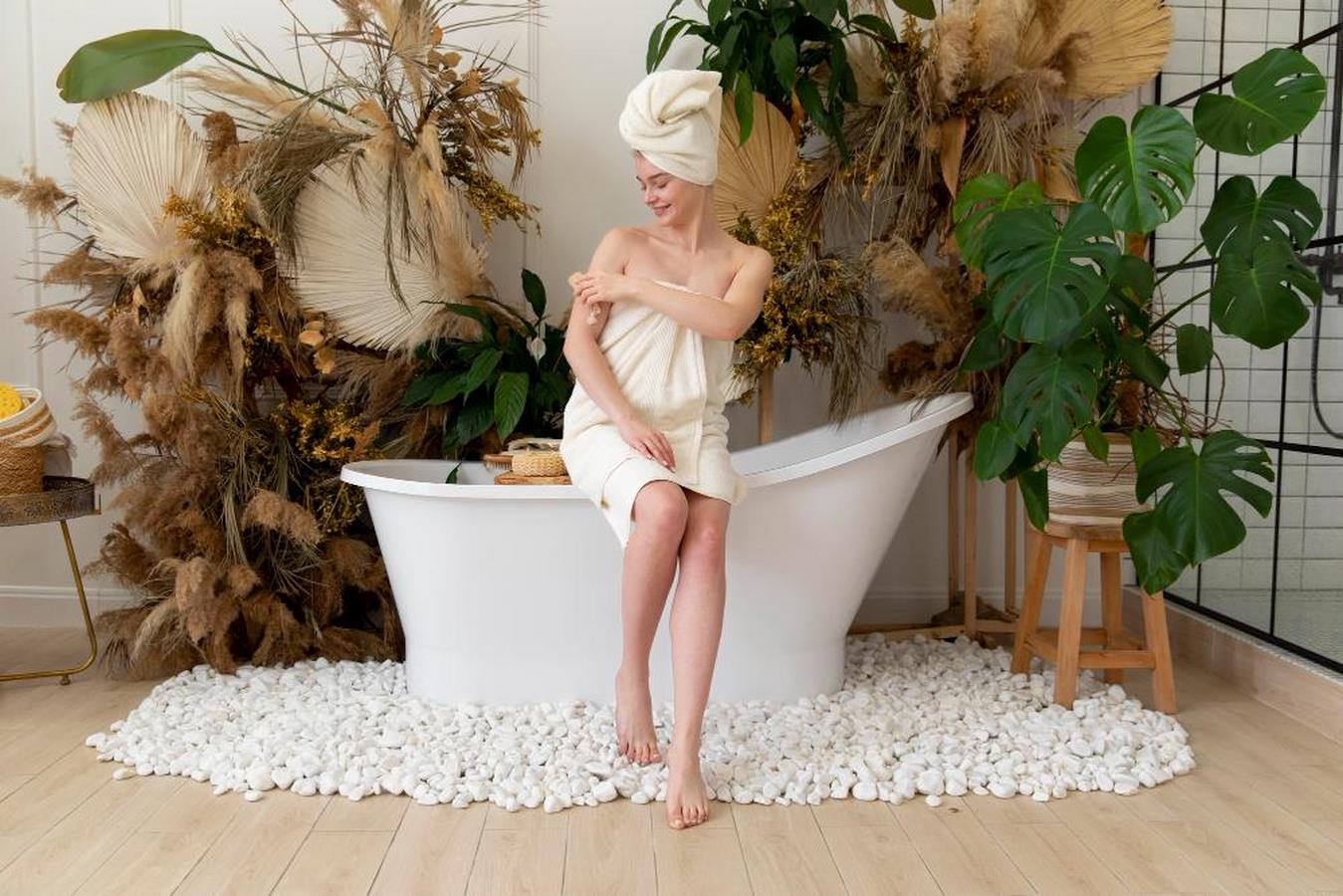 Wellness has evolved from a spa-like bathroom to a complete architectural program. Homes are now designed as personal retreats dedicated to physical and mental health. This includes dedicated meditation rooms, yoga studios with sprung floors, indoor pools, infrared saunas, and cold plunge pools. Acoustics are carefully managed for tranquility, and lighting is designed to sync with circadian rhythms. The architecture itself becomes a tool for wellness, promoting movement, relaxation, and disconnection from the external world’s pressures.
Sustainable & Resilient Design: Green is the New Gold
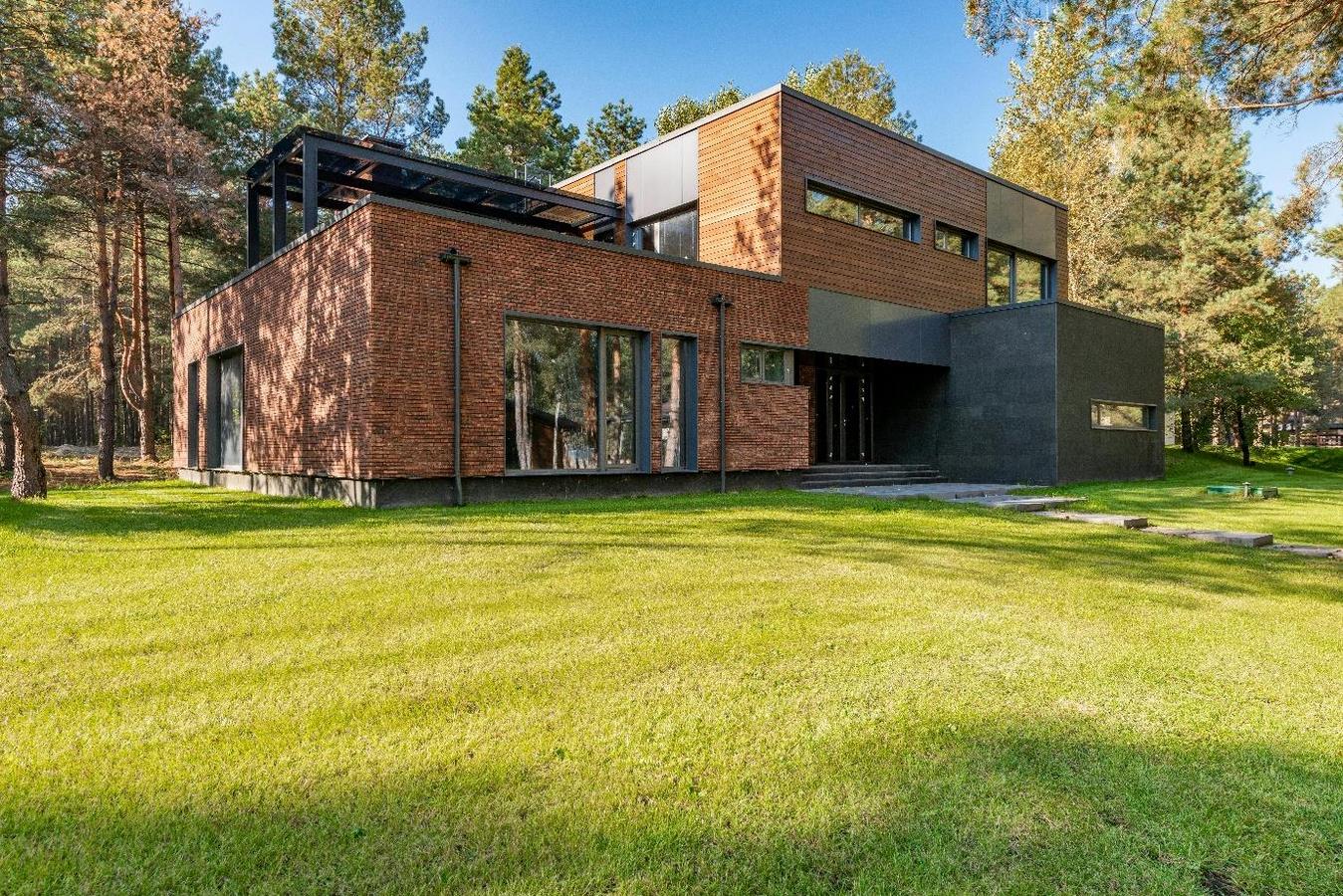 True modern luxury is ethical and resilient. High-performance, sustainable design is now a non-negotiable hallmark of luxury real estate. This goes beyond solar panels to include geothermal heating and cooling, rainwater harvesting systems, superior insulation, and the use of non-toxic, locally sourced materials. The value is placed on self-sufficiency, a reduced carbon footprint, and creating a healthy indoor environment. This trend reflects a deeper desire for a legacy that is not just beautiful, but also responsible and enduring
Conclusion: The Currency of Experience
The evolution of luxury architecture signifies a broader cultural shift from material wealth to experiential and holistic wealth. The modern luxury home is a deeply personal haven that offers privacy, well-being, and a harmonious relationship with its environment. It is a testament to the fact that the ultimate luxury is no longer an object, but a curated experience—a sanctuary of health, sustainability, and profound beauty, crafted by architects who understand that the future of luxury is intelligent, intentional, and inherently human.