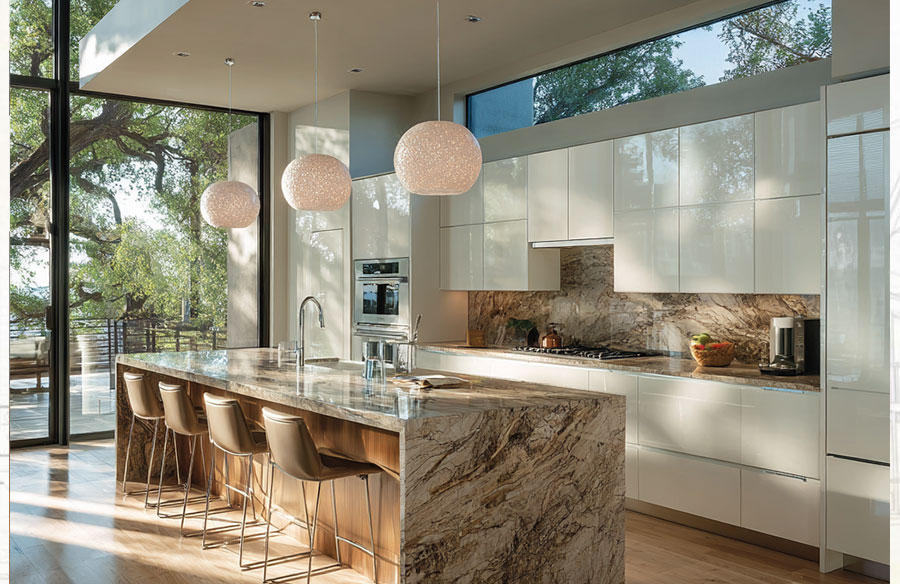
When visionary architects consider the lifecycle of their residential masterpieces, smart LG appliance repair services and sustainable appliance care strategies become integral components of future-proof design philosophy. Modern design practices understand that eco-friendly appliance maintenance and future-proof maintenance planning preserve both environmental values and architectural investment throughout a building’s extended lifespan. Like ancient Roman structures that continue inspiring contemporary architects through their enduring materials and thoughtful construction, today’s sustainable homes achieve longevity through intelligent maintenance systems that honor both form and environmental responsibility.
Architectural integration planning for appliance maintenance excellence demonstrates how forward-thinking design creates harmony between aesthetic vision and practical sustainability. Meanwhile, smart building solutions that integrate environmental technology showcase how contemporary architects leverage intelligent systems to reduce environmental impact while enhancing human comfort and building performance.
The Architecture of Longevity
Think of sustainable appliance maintenance as the invisible infrastructure that supports architectural vision across decades rather than mere years. Just as Frank Lloyd Wright designed buildings that harmonize with their natural environments through careful material selection and site planning, contemporary sustainable design integrates maintenance accessibility into the fundamental architectural language of a space.
The most enduring architectural achievements share a common thread: they anticipate future needs while serving present functions beautifully. When architects incorporate maintenance-friendly design elements during the conceptual phase, they create buildings that age gracefully rather than deteriorating into expensive renovation projects that compromise original design intent.
Modern appliance integration requires the same holistic thinking that characterizes award-winning sustainable architecture. Panel-ready refrigerators that accept custom facades must also provide efficient access for filter replacement and coil maintenance. Induction cooktops that reduce energy consumption need placement strategies that support both daily use and long-term service requirements.
This integration philosophy extends beyond individual appliances to encompass entire kitchen ecosystems where maintenance activities support rather than disrupt the spatial harmony that defines exceptional residential architecture. When service access becomes part of the design vocabulary, it enhances rather than compromises architectural excellence.
Biomimetic Maintenance Systems
Nature provides profound inspiration for sustainable maintenance approaches that align with biophilic design principles increasingly valued in contemporary architecture. Trees that shed bark naturally to reveal healthy growth underneath suggest maintenance systems that refresh and renew rather than merely repair and replace.
Consider how deciduous forests maintain themselves through seasonal cycles that optimize resource allocation and prevent system failures. Sustainable appliance maintenance can mirror these patterns through seasonal cleaning routines, periodic efficiency assessments, and planned component refreshments that prevent catastrophic failures while maintaining optimal performance.
Smart diagnostic systems that monitor appliance health continuously parallel the biological feedback loops that maintain ecosystem stability. When refrigerators communicate filter replacement needs before water quality degrades, or when dishwashers adjust cleaning cycles based on load sensors, these systems demonstrate the responsive intelligence that characterizes both natural systems and exceptional architectural design.
The integration of these monitoring systems requires architectural planning that accommodates data networks, sensor placement, and user interface integration without compromising the clean lines and spatial clarity that define contemporary residential design excellence.
Carbon Footprint Architecture
Sustainable design increasingly recognizes that a building’s environmental impact extends far beyond construction materials and energy systems to encompass the lifecycle carbon footprint of all building components, including appliances and their maintenance requirements.
Well-maintained appliances operate at peak efficiency throughout their design lifespans, consuming less energy and requiring fewer replacement components than neglected equipment. This efficiency translates directly into reduced carbon emissions and lower environmental impact over the building’s operational life, supporting the sustainability goals that motivate contemporary green architecture.
The carbon footprint of appliance replacement versus repair often favors maintenance approaches that extend equipment life rather than pursuing replacement cycles driven by aesthetic preferences or minor performance issues. This perspective influences architectural decisions about appliance placement, accessibility, and integration strategies that support long-term sustainability goals.
Modern smart appliances increasingly incorporate self-diagnostic capabilities that optimize performance automatically while providing maintenance alerts that prevent energy-wasting degradation. These technologies require architectural accommodation for network infrastructure, user interfaces, and service access that maintains design integrity while supporting environmental objectives.
Adaptive Reuse Principles for Appliance Systems
The adaptive reuse movement in architecture provides valuable lessons for appliance maintenance approaches that extend equipment life while accommodating changing user needs and technological evolution. Just as successful building adaptive reuse projects preserve architectural character while introducing modern functionality, sustainable appliance maintenance preserves core mechanical systems while upgrading components that enhance efficiency and performance.
Modular appliance designs that allow component upgrades without complete replacement mirror architectural adaptive reuse strategies that preserve structural elements while updating building systems for contemporary requirements. Refrigerators with replaceable compressors, ranges with upgradeable control systems, and dishwashers with modular pump assemblies support sustainability through extended useful life rather than premature replacement.
This modularity requires architectural planning that accommodates component access, upgrade installation, and technology integration without disrupting spatial relationships or compromising design cohesion. The resulting flexibility supports both environmental sustainability and long-term design value preservation.
Future-proofing strategies that anticipate technological evolution help ensure that appliance integration investments remain viable as smart home systems and energy management technologies continue advancing. This forward-thinking approach mirrors architectural planning that accommodates future adaptation while maintaining present functionality.
Regional Climate Response in Maintenance Design
Sustainable architecture increasingly emphasizes regional climate response that optimizes building performance for local environmental conditions. This regionalism extends to appliance maintenance approaches that adapt to local humidity, temperature variations, and environmental stressors that affect equipment longevity and performance.
Coastal environments with high salt content require different maintenance strategies than arid climates with extreme temperature variations. Architectural planning that accommodates these regional differences through enhanced ventilation, protective enclosures, or specialized access provisions demonstrates the site-specific thinking that characterizes exceptional sustainable design.
Climate-responsive maintenance systems can incorporate passive strategies that mirror architectural approaches to environmental control. Natural ventilation systems that cool appliance areas during appropriate seasons, thermal mass that moderates temperature swings, and moisture management that prevents condensation all support appliance longevity while reducing energy consumption.
These regional adaptations require collaboration between architects, mechanical engineers, and appliance specialists to develop integrated solutions that serve both environmental objectives and spatial design goals without compromising either consideration.
Material Lifecycle Integration
Sustainable architecture increasingly considers the complete lifecycle of building materials from sourcing through disposal or recycling. This holistic approach extends naturally to appliance selection and maintenance strategies that optimize material resource utilization throughout equipment service life.
Appliances manufactured with recyclable components and designed for component replacement rather than complete disposal align with architectural material strategies that emphasize circularity and resource conservation. Stainless steel that can be refinished rather than replaced, aluminum components that accept powder coating refreshment, and glass surfaces that restore to original clarity through professional maintenance all support sustainability objectives.
The specification of appliances with repairable rather than disposable components requires architectural planning that accommodates maintenance activities while preserving design integrity. This planning includes workspace allocation, tool storage, and component access that enables efficient maintenance without disrupting daily use patterns.
Documentation systems that track appliance maintenance histories, component replacement schedules, and performance optimization opportunities mirror architectural project documentation that supports long-term building stewardship and adaptation strategies.
Energy Systems Integration
Contemporary sustainable architecture emphasizes building energy systems that optimize renewable resource utilization while minimizing grid dependence. Appliance maintenance strategies that support these energy objectives become integral components of architectural performance rather than separate mechanical considerations.
Solar panel systems that power appliance operation require coordination with maintenance schedules that optimize energy availability and consumption patterns. Battery storage systems that provide appliance power during peak demand periods need architectural integration that accommodates both energy equipment and appliance service requirements without spatial conflicts.
Smart grid integration that allows appliances to operate during optimal energy availability periods requires communication infrastructure and control systems that architects must integrate into building design without compromising spatial quality or user experience. This integration demonstrates the holistic thinking that characterizes award-winning sustainable architecture.
Energy monitoring systems that track appliance efficiency and identify maintenance needs provide data that supports both immediate operational decisions and long-term architectural performance optimization. This feedback enables continuous improvement approaches that enhance building sustainability throughout its operational life.
Technology Integration Futures
The rapid evolution of smart home technology and appliance automation creates both opportunities and challenges for sustainable architectural design. Planning for technological obsolescence while supporting current innovation requires the same strategic thinking that enables successful architectural adaptation to changing program requirements and user needs.
Appliance communication systems that coordinate operation for optimal energy efficiency and performance require network infrastructure that architects must integrate into building design without compromising spatial clarity or user privacy. This infrastructure planning mirrors telecommunications integration strategies that support connectivity while maintaining architectural quality.
Artificial intelligence systems that optimize appliance operation and predict maintenance needs represent the next evolution in building automation that aligns with sustainable architecture’s emphasis on responsive environmental systems. These technologies require architectural accommodation for sensors, processors, and user interfaces that maintain design coherence while providing advanced functionality.
Future appliance technologies will likely incorporate more sophisticated diagnostic capabilities, self-repair functions, and integration with building environmental systems. Architectural planning that anticipates these developments helps ensure that today’s design investments remain viable as technology continues advancing toward greater sustainability and user responsiveness.
Creating Legacy Through Maintenance Excellence
The most celebrated architectural achievements endure through generations because their designers considered not just immediate impact but long-term stewardship requirements that preserve design intent while accommodating changing needs. Sustainable appliance maintenance strategies that support this longevity become part of the architectural legacy rather than separate operational concerns.
Buildings that age gracefully through thoughtful maintenance planning demonstrate the same foresight that characterizes architectural masterpieces recognized by international design awards. When appliance integration supports both immediate functionality and long-term sustainability, it contributes to the architectural excellence that defines lasting design achievement.
The integration of maintenance accessibility into architectural design language creates spaces that remain beautiful and functional throughout extended service lives. This integration requires the same attention to detail and holistic thinking that distinguishes award-winning architecture from merely functional building.
Educational value emerges when maintenance excellence becomes visible through thoughtful design integration rather than hidden necessity. Architecture that celebrates rather than conceals sustainable practices helps advance public understanding of environmental stewardship while demonstrating the beauty possible when sustainability and design excellence merge seamlessly.
The Global Design Imperative
As architectural practice becomes increasingly global and environmentally conscious, sustainable appliance maintenance strategies offer opportunities to demonstrate regional expertise while contributing to worldwide sustainability objectives. Local material sourcing, regional climate adaptation, and cultural use pattern integration create maintenance approaches that serve global environmental goals through locally optimized solutions.
International design award recognition increasingly emphasizes sustainability metrics that include building lifecycle performance rather than just construction phase considerations. Appliance maintenance strategies that extend equipment life, optimize energy efficiency, and reduce material consumption contribute measurably to these performance evaluations.
The documentation and sharing of successful sustainable maintenance integration through architectural publication and award submissions help advance industry best practices while demonstrating individual project excellence. This knowledge transfer supports the collaborative advancement that characterizes contemporary architectural practice.
Future architectural education will likely emphasize lifecycle thinking that integrates appliance maintenance planning into core design methodology rather than treating it as a separate technical consideration. This integration reflects the holistic approach that enables architects to create buildings that serve both immediate needs and long-term sustainability objectives with equal excellence.
When sustainable appliance maintenance becomes integral to architectural vision rather than an afterthought, it enables buildings that demonstrate the highest aspirations of contemporary design practice: spaces that serve human needs beautifully while honoring environmental responsibility through every operational detail.