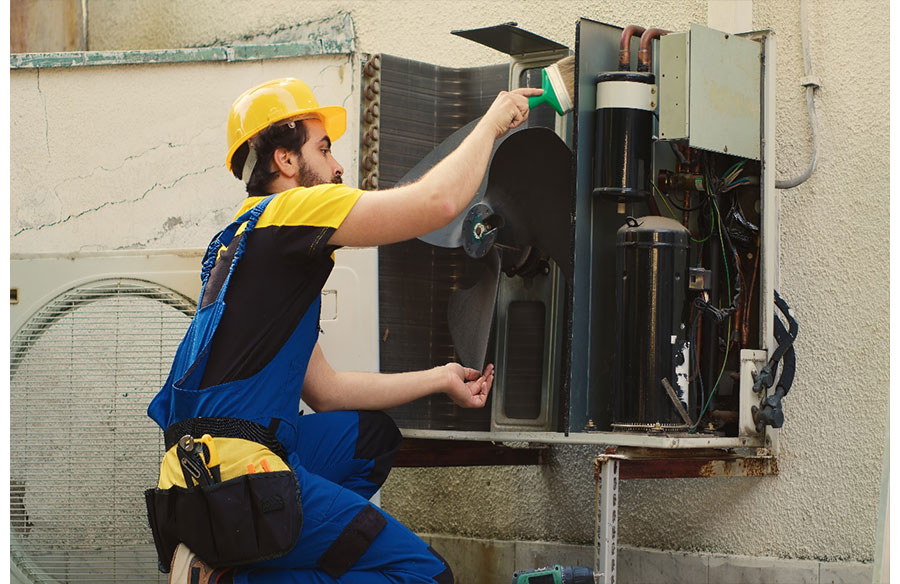
The HVAC industry has become increasingly attractive to buyers and investors seeking stable, recession-resistant businesses. Growing demand for heating, cooling, and indoor air quality services creates a strong resale market for established HVAC companies. When you’re ready to sell HVAC business operations, understanding proven value-maximization strategies can significantly impact your final sale price.
Smart preparation and strategic positioning separate successful exits from disappointing outcomes. HVAC business owners who follow systematic approaches often achieve sale prices higher than those who rush the process.
Understanding HVAC Business Valuation Factors
Multiple factors influence how buyers evaluate and price HVAC companies. Focusing on these key areas during preparation directly impacts your business’s market value.
Service Contracts and Recurring Revenue
Predictable revenue streams form the foundation of valuable HVAC businesses. Maintenance agreements and service contracts provide stability that buyers actively seek when evaluating acquisition targets.
Document your contract portfolio thoroughly. Include renewal rates, average contract values, and customer retention statistics. Buyers pay premium multiples for businesses with 40% or more revenue from recurring contracts.
Focus on expanding maintenance programs before marketing your business. Even a 10% increase in recurring revenue can boost your valuation by 15-25% because it demonstrates business stability and growth potential.
Maintenance Agreements and Customer Loyalty
Long-term customer relationships represent significant value in HVAC business sales. Buyers understand that acquiring new customers costs more than retaining existing ones.
Track and document your customer satisfaction metrics. Include response time statistics, callback rates, and customer testimonials. This data proves your service quality and helps justify asking prices.
Organize your customer database to show relationship depth. Include service histories, equipment installed, and future replacement schedules.
Local Reputation and Market Position
Your reputation within the local market significantly impacts business value. Strong brand recognition and positive community standing make your company more attractive to buyers.
Compile evidence of your market position. Include online reviews, Better Business Bureau ratings, contractor licensing records, and any industry awards or certifications your company has earned.
Document your marketing systems and lead generation processes. Buyers want assurance that customer acquisition will continue after the ownership change.
Strategic Steps to Sell Your HVAC Company
Systematic preparation maximizes sale value and reduces transaction complications. Follow these proven steps to position your business for optimal buyer interest.
Complete Documentation and Financial Organization
Professional financial records are essential for serious buyer consideration. According to Entrepreneur magazine, businesses with organized financials sell faster and for higher prices than those with poor record-keeping.
Separate personal expenses from business costs completely. Many HVAC business owners mix personal and business expenses, which reduces apparent profitability and creates buyer concerns.
Organize revenue data by service category. Break down income from installation work, service calls, maintenance contracts, and emergency repairs. This clarity helps buyers understand your business model and growth opportunities.
Prepare detailed equipment inventories including purchase dates, maintenance records, and replacement schedules. Quality equipment adds tangible value and reduces buyer startup costs.
Strategic Pricing and Market Positioning
Price your business based on comparable sales and market conditions rather than emotional attachment or retirement needs. Overpricing often leads to extended market time and ultimately lower sale prices.
Research recent HVAC business sales in your region. Work with business brokers or valuators who specialize in HVAC companies to establish realistic price ranges.
Prepare to justify your asking price with concrete evidence. Include financial projections, growth opportunities, and competitive advantages that support your valuation expectations.
Transition Planning for Staff and Clients
Smooth ownership transitions protect business value and ensure successful transfers. Buyers worry about losing key employees and customers after the sale.
Create detailed job descriptions and training manuals for all positions. Document your operational procedures so new owners can maintain service quality without relying entirely on existing staff knowledge.
Develop retention strategies for critical employees. Consider offering stay bonuses or involving key staff in transition planning. Employee stability often determines whether sales complete successfully.
Plan customer communication strategies carefully. Prepare introduction materials for the new owner and scripts for discussing the ownership change.
Finding the Right Buyers for Your HVAC Business
Different buyer types bring varying perspectives, capabilities, and price expectations. Understanding these differences helps you target your marketing efforts effectively.
Industry Consolidators and Strategic Buyers
Large HVAC companies actively acquire smaller operations to expand service territories and capabilities. These strategic buyers often pay premium prices for businesses that complement their existing operations.
Research consolidation activity in your region. Companies like Service Champions and Clockwork frequently make acquisitions. Their acquisition criteria and preferred deal structures are often publicly available.
Strategic buyers typically move quickly and have established acquisition processes. They understand HVAC business models and can evaluate opportunities efficiently.
Position your business to appeal to strategic buyers by highlighting synergy opportunities. Geographic expansion, service line additions, and operational efficiencies create value that justifies higher purchase prices.
Local Competitors and Market Participants
Competing HVAC companies in your market represent natural buyers for your business. They understand local market conditions and can integrate operations relatively easily.
Approach competitor discussions carefully to maintain confidentiality. Use intermediaries or business brokers to gauge interest without revealing sensitive business information prematurely.
Local competitors often prefer asset purchases to avoid assuming liabilities. Structure your offering to accommodate their preferences while protecting your interests.
Private Investors and Financial Buyers
Private equity firms and individual investors increasingly target HVAC businesses as stable investment opportunities. Service businesses often attract investors seeking predictable cash flows and growth potential.
Financial buyers typically focus on return on investment rather than operational synergies. They evaluate businesses based on cash flow generation and growth prospects.
Prepare detailed financial projections and growth plans for investor presentations. These buyers want evidence that your business can continue growing under professional management.
Optimizing Your HVAC Business Exit
Final preparation steps can significantly impact your sale outcome and post-transaction satisfaction.
Tax Planning and Structure Optimization
Sale structure affects your tax liability and net proceeds significantly. Work with qualified tax advisors to optimize the transaction structure for your specific situation.
Understand the difference between asset sales and stock sales. Each structure has different tax implications that affect your final proceeds after taxes and transaction costs.
Consider installment sale options if they provide tax advantages. Seller financing arrangements can reduce current-year tax liability while providing ongoing income streams.
Strategic Timing Considerations
Market timing affects both buyer interest levels and sale prices. Monitor industry conditions and economic factors that influence HVAC business valuations.
Avoid selling during your weakest financial periods unless necessary. Strong recent performance makes it easier to justify asking prices and negotiate favorable terms.
Plan adequate time for proper preparation and marketing. Rushed sales rarely achieve optimal prices compared to well-planned, strategically executed transactions.
Achieving Maximum Value
Selling an HVAC company successfully requires systematic preparation, strategic positioning, and professional execution. Focus on strengthening the value drivers that buyers evaluate most carefully, including recurring revenue, operational systems, and customer relationships.
When you’re ready to sell HVAC business, start your preparation early and invest in professional guidance when needed. The right combination of business broker, attorney, and tax advisor can help you navigate the complex process and achieve optimal results.
Remember that the goal extends beyond maximizing sale price. Consider deal structure, transition requirements, and post-sale obligations when evaluating offers to ensure the transaction meets all your objectives.