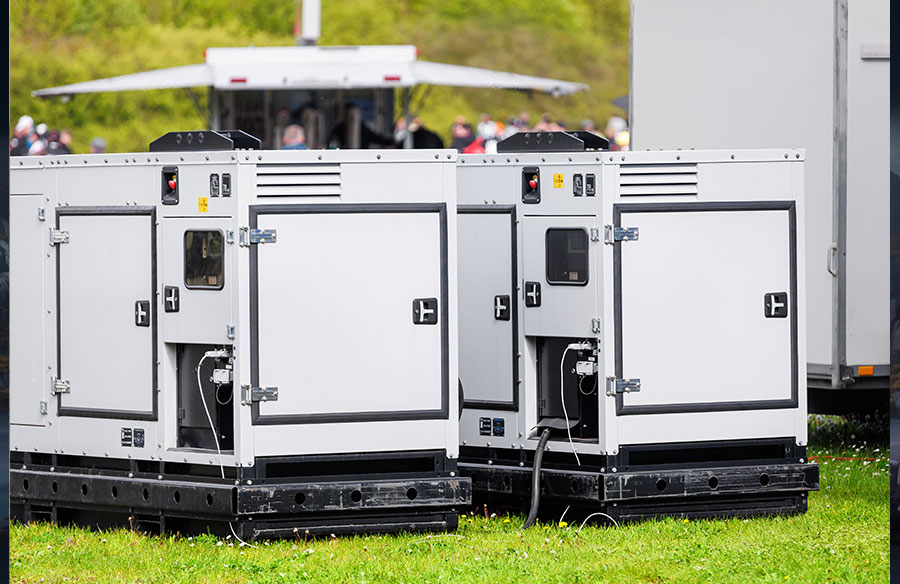
Generators play a vital role in powering facilities during outages and supporting industries that rely on uninterrupted energy. However, simply owning a generator is not enough to guarantee reliable performance. Regular testing and proper maintenance are necessary to confirm that a unit can handle real-world demands without unexpected failure. Load banks make this possible by providing controlled conditions to evaluate equipment safely.
Businesses looking to strengthen reliability often turn to load banks for testing strategies that go beyond routine checks. These devices simulate electrical demand, offering insights into how generators behave under pressure. For additional details on specialised solutions, readers can visit this website to explore more comprehensive resources.
1. Preventing wet stacking and carbon buildup
One of the most common issues in diesel generators is wet stacking, which occurs when unburned fuel accumulates in the exhaust. This leads to reduced efficiency and long-term damage if left untreated. Load banks prevent this by applying controlled loads that raise exhaust temperatures, ensuring proper combustion. By burning off excess fuel, the process reduces harmful deposits and extends the life of the engine. Preventing wet stacking also improves reliability in emergencies. A properly managed resistive load test keeps combustion temperatures in the optimal range for cleaner operation.
2. Validating full capacity performance
Generators are often sized for peak demand but may rarely operate at that level during normal use. Without testing, owners cannot be sure the unit will perform when maximum output is required. Load banks allow operators to push equipment to rated capacity under safe, controlled conditions. This confirms the generator can sustain its full load without overheating or tripping. Proving this capacity builds confidence that the system will perform during critical outages. Validation at the generator’s kW rating also ensures voltage regulation systems function correctly under stress.
3. Identifying hidden mechanical and electrical issues
Light or idle operation can mask underlying weaknesses in generators. Problems such as unstable voltage, worn components, or irregular fuel delivery often go undetected. Load bank testing forces the generator to operate at different load levels, which helps expose these issues before they cause costly failures. Technicians gain valuable diagnostic data during these exercises. Early detection ensures repairs can be scheduled proactively instead of during emergencies. In many cases, harmonic distortion or reactive load imbalance becomes visible only under load testing conditions.
4. Supporting compliance and maintenance schedules
Many industries must follow strict codes that require routine generator testing. Load banks make it possible to meet these requirements with documented results that verify performance. Compliance is about regulations and about safety for people who rely on backup systems. Using load banks aligns testing with maintenance schedules, reducing downtime and optimising resources. This structured approach ensures both readiness and accountability. Properly recorded load tests also provide traceable evidence for audits and insurance requirements.
5. Enhancing overall efficiency
Generators that are never tested under real loads often waste fuel or operate below peak efficiency. Load banks improve efficiency by conditioning the system through proper exercise. Engines operate cleaner, fuel burns more completely, and electrical output becomes more stable. Consistent testing also ensures that the generator is not oversized for its environment, avoiding unnecessary fuel consumption. Efficiency gains translate into lower costs and greater dependability. Long-term use of load banks contributes to reduced emissions and improved lifecycle performance.
Choosing the right supplier is the single most important factor in getting the full benefits of load bank testing. A trusted supplier provides reliable equipment and ensures proper calibration, accurate diagnostics, and compliance with industry standards. The right partner offers technical expertise, safety assurance, and ongoing support to keep generators in peak condition. Selecting an experienced supplier guarantees that every test contributes to performance, efficiency, and long-term dependability.