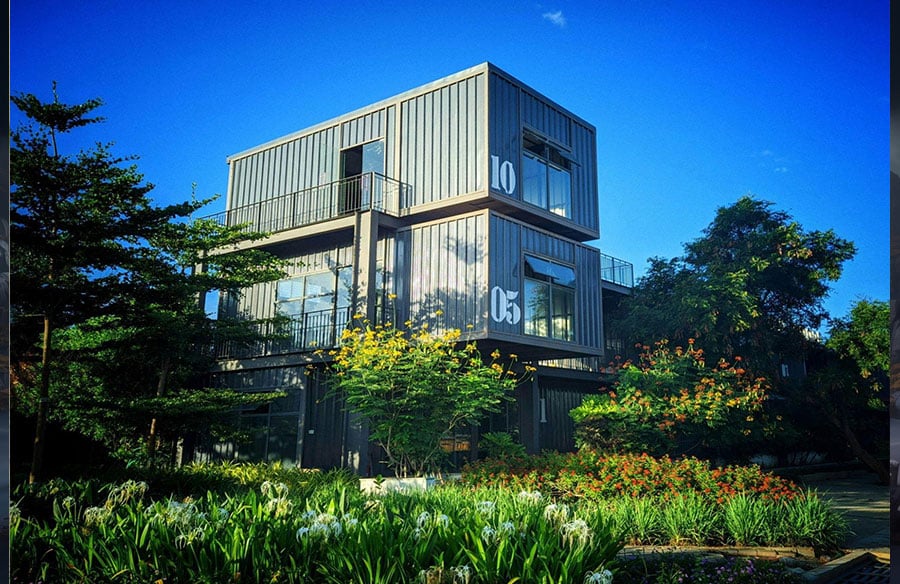
1. The Growing Demand for Affordable Housing
Rising property prices, rapid urbanisation, and population growth have created a pressing global demand for cost-effective housing. Traditional construction often requires high budgets, lengthy timelines, and significant use of natural resources. To address these challenges, reused shipping containers are emerging as a practical and sustainable alternative.
2. Why Reused Shipping Containers Work
Shipping containers, once retired from global trade, offer durability and modularity that make them ideal for housing projects. Their structural integrity, availability, and adaptability contribute to cost-effective construction solutions.
Key Advantages
- Cost Efficiency – Used containers are significantly cheaper than traditional materials, with basic units available for a fraction of the cost. Many developers are now sourcing used shipping containers for residential projects, offering both budget-friendly and sustainable building options.
- Sustainability – Repurposing containers reduces waste and minimises demand for new raw materials.
- Design Flexibility – Containers can be stacked, cut, and combined to form layouts ranging from compact studios to multi-storey housing complexes.
- Rapid Deployment – Prefabricated structures shorten construction timelines to weeks rather than months.
- Portability – Container homes can be relocated, making them suitable for temporary housing or disaster relief.
3. Designing Functional and Comfortable Spaces
Transforming a steel box into a livable space requires careful technical planning.
Interior Solutions
- Insulation Systems: Spray foam, recycled panels, and double-glazed windows to manage temperature.
- Space Planning: Open-plan layouts maximise limited floor areas.
- Natural Light: Skylights and large windows enhance brightness and energy efficiency.
- Multi-Use Furniture: Built-in storage, foldable beds, and modular kitchens optimize usability.
Exterior Enhancements
- Green Roofs and Facades: Vegetation improves thermal regulation and aesthetics.
- Solar Integration: Panels reduce reliance on grid electricity and lower costs.
- Water Systems: Rainwater harvesting supports sustainable living.
4. Addressing Technical Challenges
Container housing requires solutions for insulation, ventilation, and corrosion prevention. Steel conducts heat and cold, so advanced insulation materials are essential. Rust-resistant coatings and proper ventilation systems further ensure long-term durability. Compliance with local building codes remains critical, requiring collaboration with engineers and architects.
5. Real-World Case Studies
- Keetwonen, Amsterdam: Over 1,000 student units demonstrate the viability of large-scale container housing, with private kitchens, bathrooms, and balconies.
- Container Park, Las Vegas: A mixed-use complex of homes and retail units illustrates versatility in urban settings.
- Asia-Pacific Relief Housing: Rapid-deployment shelters built after natural disasters highlight speed and mobility in crisis response.
6. Community and Social Impact
Container housing contributes to building inclusive communities. Compact layouts allow urban planners to integrate shared gardens, communal kitchens, and recreational zones, encouraging social interaction. These spaces help foster resilience among residents, particularly in low-income and transitional communities.
7. Adaptability to Diverse Climates
Design modifications make container homes adaptable across climates. In tropical regions, cross-ventilation and reflective surfaces improve comfort, while in colder areas, underfloor heating and insulated panels ensure habitability. Elevated foundations and reinforced anchoring allow these structures to withstand floods and earthquakes.
8. Economic Opportunities
Container housing stimulates local economies through new industries in retrofitting, fabrication, and modular design. Small businesses and contractors gain opportunities in welding, electrical work, and prefabricated unit production. Investors also benefit from shorter construction timelines, resulting in faster project returns.
9. Integration with Smart Technologies
Modern container housing incorporates energy monitoring systems, automated lighting, and smart security. Renewable energy integration with solar panels and battery storage enables near self-sufficiency. Water-saving features such as greywater recycling reduce utility demands and align with sustainable urban goals.
10. Long-Term Outlook
With global housing shortages accelerating, reused shipping containers are positioned to play a central role in sustainable urban development. Their adaptability, resilience, and compatibility with modern technologies make them more than temporary fixes. With thoughtful planning, they can evolve into permanent, dignified housing systems.
11. Conclusion: A Forward-Looking Housing Model
Reused shipping containers provide a unique balance of affordability, sustainability, and design flexibility. By addressing technical challenges with innovative approaches, we can deliver housing that not only meets today’s urgent needs but also contributes to resilient, environmentally conscious communities for the future.