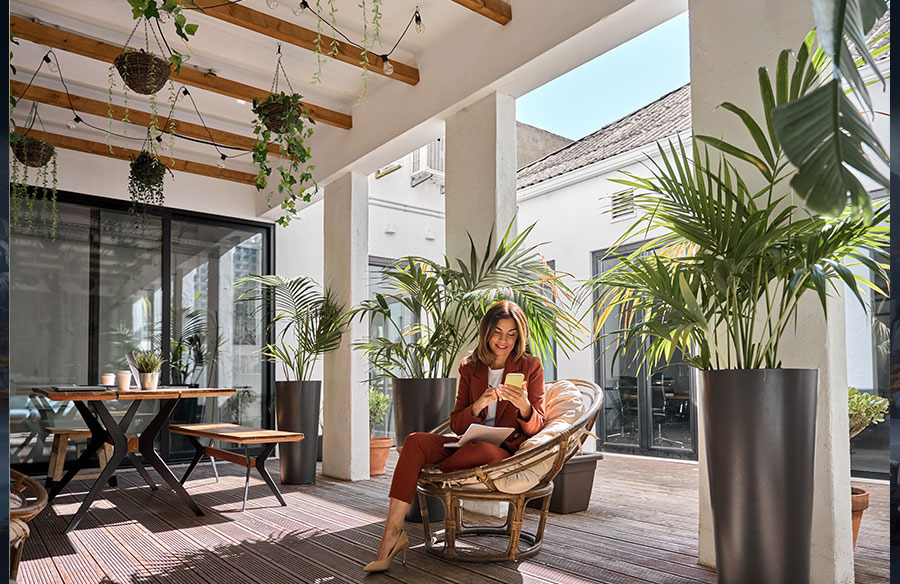
Hotels transformed into housing bring new life to buildings and provide safe spaces for healing.
Across the country, old hotels are being converted into centers for healing and rehabilitation. Through this process known as adaptive reuse, old structures are transformed and turned into environmentally sound and supportive housing stock. It makes conservation sense to re-use hotels because they already have rooms that can be made interior, community rooms, and facilities that can be converted to wellness use. By reusing these properties, communities save costs, reduce garbage, and create relevant solutions to housing shortcomings. For people, these facilities provide stability and comfort while supporting their journey toward healing. Here we will explore what adaptive reuse is, how communities benefit from it, how costs and materials are reduced, why designing spaces to heal is valuable, and successful model applications that prove this practice works.
What Adaptive Reuse Means
Adaptive reuse is the practice of taking an existing building and giving it a new purpose instead of tearing it down. In the case of hotels, it means turning spaces that once welcomed travelers into long-term housing designed for healing and recovery. Hotels already have the basic structure needed—private rooms, bathrooms, and shared spaces—which makes them easier to convert compared to building new housing from scratch. This approach is both practical and sustainable, as it saves resources, reduces construction waste, and shortens the timeline for making homes available. Adaptive reuse also respects the character of existing buildings while adapting them for modern needs. By transforming hotels into healing housing, communities can quickly address urgent needs for safe and supportive environments. The process combines creativity with responsibility, proving that spaces built for hospitality can successfully evolve into spaces of healing, stability, and hope for individuals who need them most.
Benefits for Communities
When hotels are reused for healing housing, the entire community benefits. Detox in Massachusetts programs have shown that providing stable housing is one of the most effective ways to support long-term recovery. Beyond individual impact, adaptive reuse brings neighborhoods new opportunities for growth and connection.
- Reduces the number of unused or abandoned properties
- Creates affordable and supportive housing faster
- Improves safety by offering structured living environments
- Supports local jobs during renovation projects
- Strengthens community health and wellbeing overall
These benefits highlight that adaptive reuse is not just about buildings—it is about people. Communities gain stability when residents have safe housing options, and individuals in recovery find a space where healing can happen. By turning hotels into healing housing, local areas reduce strain on shelters, improve public safety, and promote healthier outcomes for everyone.
Cost and Resource Savings
Most ask how adaptive reuse is less expensive than new construction. It’s easy: hotels already have a lot of structure in place, which translates to less expenditure in materials and man-hours. Instead of starting at ground zero, cities can put outlays toward renovation like safety upgrades, accessibility enhancements, and new designs better suited to healing. Another common question is if and how adaptive reuse helps or hurts the environment. By converting existing structures, cities minimize demolition waste and require new materials, which reduces carbon impact overall. Still others have asked if recycled hotels meet current housing quality. With proper renovation, spaces can be retrofitted with energy-efficient systems, secure entryways, and comfortable living spaces equal to or bettering new stock. Adaptive reuse makes both economic and environmental sense and is a logical approach to both housing and recoverability.
Designing for Healing Needs
Healing spaces require more than just four walls—they need to create an environment that supports recovery. Communities can make simple yet powerful design choices that transform old hotels into places of comfort and growth.
- Use natural lighting to reduce stress and lift mood
- Add quiet rooms for reflection or counseling sessions
- Include shared kitchens or dining areas for connection
- Create outdoor spaces for exercise and relaxation
- Choose calming colors and soft furnishings for comfort
By blending practical renovations with thoughtful design, adaptive reuse turns hotels into supportive environments that promote wellness. These small yet meaningful choices help individuals feel safe, valued, and ready to take positive steps forward in their recovery journey.
Success Stories and Models
A California town was facing mounting challenges around homelessness and a lack of supportive housing. Instead of build new units, however, the community chose to renovate an abandoned motel into a recovery-oriented home. Rehabilitation work entailed adding counseling rooms, making it safer and easier to use, and reconfiguring community spaces to accommodate group work. Months after launch, the program reported that participants were becoming more stable and showed higher levels of participation in recovery services. Loved ones reported positive impact within families too since family members felt safeguarded and empowered within a healing-oriented home.
Cities can reduce housing gaps by up to 40 percent earlier if they invest in adaptive reuse development rather than new development
This makes it evident that adaptive use is not only a fiscally responsible idea but a realistic model that meets current demands. With converted hotels as healing residences, cities can provide a supportive environment that is safe while assisting in community health. Other communities paid attention to this venture and proved that innovative solutions can make a real difference.
A Vision for Healing Spaces
Adaptive reuse turning hotels into healing housing is about building opportunities for stability, dignity, and recovery. Communities that take this step show commitment not only to saving resources but also to investing in people. With thoughtful design and supportive programs, hotels can become places where lives are rebuilt. By focusing on adaptive reuse turning hotels into healing housing, towns and cities create a vision of hope that brings healing into the heart of the community.