Modern architecture has a reputation for pushing the boundaries of conventional design and exploiting the potential of various materials. One such material that has played an increasingly prominent role is metal. In this article, we explore how metal buildings fit seamlessly into modern architecture, with a particular focus on their application in exterior buildings.
Metal in Modern Architecture: A Brief History
Before diving into the present, it’s essential to understand metal’s history in architecture. Metal was initially used as a supporting element in buildings. However, as architectural design advanced, metals like steel, iron, and aluminum became key elements for construction due to their strength, durability, and flexibility. With the advent of modernism, architects started using metal not only for its physical characteristics but also for its aesthetic appeal.
The Rise of Metal Buildings
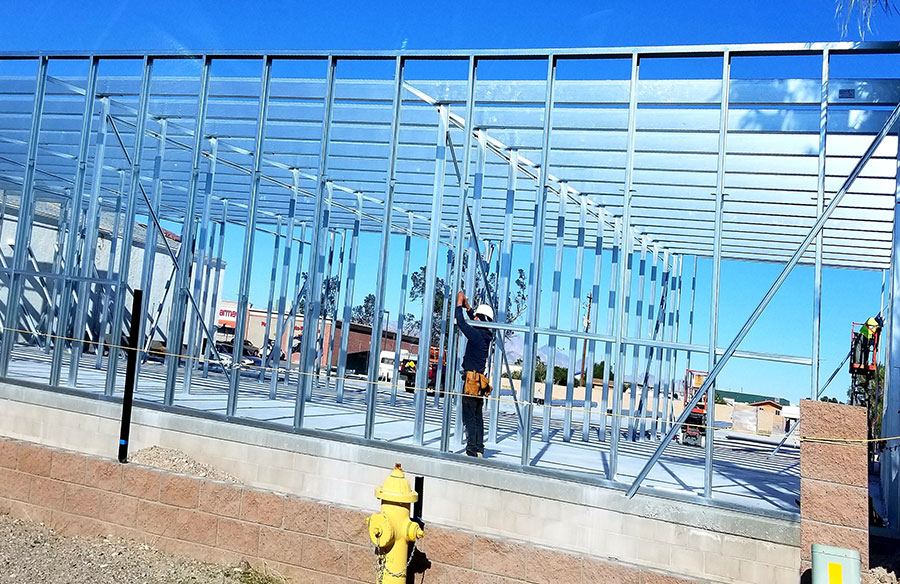
Metal buildings are more than just large warehouses or industrial structures. They’re flexible structures that can accommodate a wide range of uses. Moreover, the advent of pre-engineered metal buildings has revolutionized their construction. With standardized components fabricated off-site, these structures can be erected more quickly and efficiently, lowering construction costs and reducing the environmental impact. You can check out metal buildings in more detail elsewhere but the simplified version is that they’re applicable in multiple industries, homes, and businesses and are long lasting, while easy to set up.
The Role of Metal in Exterior Buildings
In the context of exterior buildings, metal structures serve multiple functions. First, they can act as standalone structures, such as garages, workshops, or storage sheds. Second, they can serve as add-ons to existing buildings, like an extended living space or home office. Lastly, they can act as decorative elements, enhancing the aesthetic appeal of the property.
Standalone Structures
As standalone structures, metal buildings can be customized to fit any specific need. For example, a metal garage can accommodate not only vehicles but also a workshop or storage area. With their durability and low maintenance, these structures can withstand harsh weather conditions and are cost-effective in the long run.
Add-ons to Existing Buildings
Many homeowners utilize metal buildings as additions to their existing properties. These structures can be effortlessly designed to match the style and aesthetics of the main building. Moreover, due to their quick construction times, these add-ons can be set up with minimal disruption to the homeowners.
Decorative Elements
Aside from their functional applications, metal buildings can serve as decorative elements. With a wide range of styles, colors, and finishes available, architects can create designs that are not only functional but also visually appealing. The use of metals can bring a modern, industrial touch to any property, and even aged or rusted metals can contribute to a rustic, vintage aesthetic.
Advantages of Metal Buildings in Modern Architecture
There are several reasons why metal buildings have become an integral part of modern architecture. Here are a few:
- Versatility: Metal buildings can be molded into virtually any shape, allowing architects to experiment with design and create unique structures.
- Durability: Metals are robust and resistant to many elements, ensuring that the buildings last for decades.
- Efficiency: Metal buildings are usually pre-engineered, meaning they can be assembled quickly and with less waste compared to traditional construction methods.
- Sustainability: Metal is recyclable and, in many cases, the buildings themselves can be disassembled and repurposed, making them a sustainable choice in construction.
- Cost-effectiveness: Although the initial investment might be higher, the longevity and low maintenance of metal buildings make them a cost-effective solution in the long term.
The Future of Metal Buildings in Modern Architecture
Metal buildings are here to stay in modern architecture. With advancements in technology and design, these structures will continue to evolve and become even more integrated into our built environment in the future. The potential applications are limitless – from residential to commercial, interior to exterior, functional to decorative.
Indeed, metal buildings are a testament to the adaptive and transformative nature of modern architecture. Their growth signifies a shift towards more sustainable, efficient, and innovative practices in the field of construction, truly embodying the spirit of the modern architectural movement.