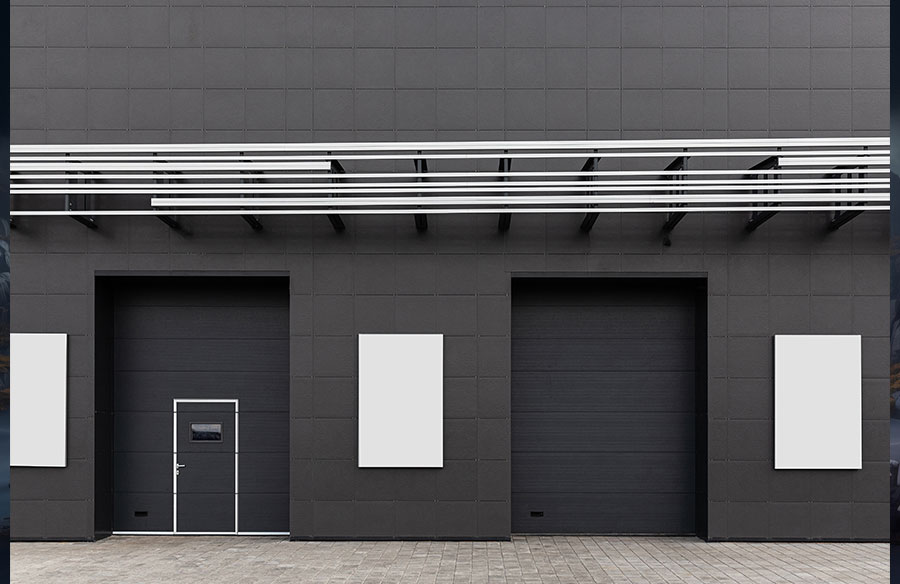
Doors are often overlooked in architectural conversations. While windows, facades, and interiors draw attention, doors quietly hold a vital role. They are the elements that combine design, safety, and function. A well-chosen door does more than separate spaces. It improves energy efficiency, ensures smooth operation, and influences the overall look of a building. From homes to industrial complexes, the right choice can define comfort and security. This is why modern architecture increasingly views doors not as simple fixtures but as integral design components. In this post, let us unwrap the roles of doors in the architecture.
The Role of Doors in Residential Design
In residential spaces, doors act as the first impression of a home. The garage, often the most prominent feature in modern houses, highlights this perfectly. A stylish and reliable garage door enhances curb appeal while also improving daily convenience. Families look for doors that match their house design yet remain durable against constant use. This balance between design and function has made garage doors a central topic in residential planning.
Industrial Needs Go Beyond Basics
While homes focus on style and comfort, industrial spaces demand strength and resilience. Warehouses, factories, and logistics centers rely on industrial doors that can handle heavy use. These doors protect valuable assets, streamline operations, and ensure safety standards are met. Their design must adapt to unique challenges, like frequent opening cycles or exposure to extreme conditions. Here, aesthetics take a backseat, but functionality and durability become non-negotiable.
Where Design Meets Durability
Architecture today merges creativity with practicality. This is especially true for door systems, where design and durability work hand in hand.
Aesthetic Value
A door that complements the surrounding architecture enhances the overall design. Sleek garage doors can uplift modern homes, while robust industrial doors give a sense of strength and reliability.
Functional Performance
Durability ensures that doors can withstand years of use without constant repairs. Materials like steel, aluminum, or insulated panels offer both strength and efficiency.
By combining these elements, modern door systems strike the balance that architects, homeowners, and businesses seek. It is here that reliable solutions from companies like Raynor Garage Door play a vital role in bridging style and endurance.
How Choosing the Right Door System Can Help?
The advantages of thoughtful door selection extend to both residential and industrial projects.
For Homes
- Improved curb appeal through designs that match modern architecture.
- Enhanced safety with secure locking and advanced automation.
- Better insulation that reduces energy costs.
For Industrial Spaces
- Strong materials that withstand constant wear and tear.
- Efficient operations with smooth opening and closing cycles.
- Protection for workers and stored goods against external risks.
Together, these benefits highlight how much doors contribute to the success of architectural projects. They are not secondary elements but defining features of the built environment.
Why Door Systems Are Pivotal in Modern Architecture?
Door systems have gone through a major transformation in recent decades. In the past, they were seen only as practical barriers—garage doors for homes and large gates for industrial units. Their role was limited to simple opening and closing, with little attention to design, energy efficiency, or long-term durability.
Today, doors are treated as integral features of modern architecture. Homeowners prefer garage doors that enhance curb appeal while offering noise reduction and insulation. Businesses rely on industrial doors that can handle frequent operations, ensure security, and maintain efficiency in fast-paced environments.
For example, insulated garage doors help cut down energy costs by maintaining indoor temperatures, while sectional overhead doors in warehouses are built to withstand heavy traffic without slowing down operations. This balance between function and style highlights the evolution of door systems. They are no longer afterthoughts but active contributors to convenience, safety, and energy savings.
Why Design and Durability Go Hand in Hand in Doors?
Design and durability may sound like separate goals, but in reality, they depend on each other. A beautifully designed door that wears out quickly does not add value, while a highly durable door that looks out of place can reduce the appeal of a property.
Homeowners want garage doors that match the character of their house, but they also want them to last for years with minimal upkeep. Similarly, businesses choose industrial doors not just for their strength but also for their ability to function smoothly while fitting into the overall design of a facility.
This is where brands like Richards Wilcox Industrial Doors set a benchmark, offering solutions that combine longevity with modern design. Durability ensures that the design remains intact for years, and design ensures that durability is not achieved at the cost of appearance. The most successful door systems strike this balance, giving users confidence that they are not sacrificing one for the other.
The Future of Door Design
The future of door systems is shaped by technology, sustainability, and innovation. Homeowners are now looking at smart garage doors with features like remote access, sensors for safety, and even integration with home automation systems. These designs add convenience while ensuring stronger security.
In industrial settings, the future lies in speed and efficiency. High-speed doors are already becoming popular for warehouses and manufacturing units, reducing downtime and improving workflow. Looking forward, AI-driven predictive maintenance may also become part of door technology, helping businesses avoid costly breakdowns.
Sustainability will play a bigger role, too. Eco-friendly materials, energy-efficient insulation, and recyclable components are likely to define the next generation of door systems. Imagine a garage door that adjusts insulation levels depending on outside weather or an industrial door that reduces energy waste in temperature-controlled facilities. These innovations will make door systems not just functional but also smarter and greener.
Final Thoughts
Whether it’s for a home or a business, the choice of a door system matters more than ever. Modern garage doors are designed to improve security, boost energy efficiency, and elevate the look of a property. At the same time, industrial doors are evolving to support high performance, safety, and sustainability.
Design and durability are no longer separate considerations. Instead, they work together to ensure that doors are reliable, attractive, and built to last. As technology and architecture continue to move forward, doors will keep playing a central role in shaping spaces where people live and work.