The bathtub is often the centerpiece of the bathroom, a place for relaxation and rejuvenation. Choosing the right one is a significant decision that impacts not only the room’s aesthetic but also your daily experience and the long-term value of your home. Two of the most enduring and popular options on the market are acrylic and cast iron. This isn’t a choice between a fleeting trend and a classic; both have proven their worth, but they cater to different priorities and lifestyles. Understanding the fundamental differences in their composition, feel, maintenance, and cost is essential for making an investment you’ll be happy with for years to come. This article will provide a detailed, straightforward comparison of acrylic and cast iron bathtubs, breaking down their key characteristics to help you determine which material best suits your needs.
Fundamental Composition and Manufacturing
The core difference between these two materials lies in how they are made, which directly influences their weight, feel, and performance.
A cast iron bathtub is a heavyweight champion in the truest sense. It is crafted by pouring molten iron into a mold of the desired tub shape. This rough iron form is then smoothed and finished by applying a thick layer of porcelain enamel. This enamel is a glass-based material that is fired onto the iron core at extremely high temperatures, resulting in a incredibly hard, glossy, and non-porous surface. This process is time-tested, dating back over a century, and creates a tub that feels substantial and permanent.
In contrast, an acrylic tub is a product of modern manufacturing. It is made from sheets of acrylic plastic that are heated until pliable and then vacuum-formed over a mold. To provide strength and rigidity, the back of the acrylic shell is reinforced with layers of fiberglass. This process allows for great flexibility in design. The resulting product is a single-piece, seamless tub with a naturally glossy finish that is warm to the touch right out of the box.
Durability, Maintenance, and Repair
How a tub withstands daily use and how easy it is to care for are crucial practical considerations.
Cast iron is legendary for its durability. The porcelain enamel finish is highly resistant to scratches, chips, abrasions, and chemicals. It is extremely difficult to damage under normal circumstances. A heavy, sharp object dropped from a height might chip it, but otherwise, it can withstand decades of use without showing its age. This makes it a fantastic choice for busy households. Cleaning is also straightforward; its non-porous, glass-like surface resists staining and soap scum, making it easy to wipe down with standard, non-abrasive household cleaners.
Acrylic is also durable, but in a different way. Its surface is softer and more susceptible to scratching from abrasive cleaners or sharp objects. However, high-quality acrylic is designed to have a certain amount of flexibility, which can help it absorb impact without cracking. A significant advantage acrylic holds is its repairability. Minor scratches can often be buffed out, and more significant damage can be professionally repaired to a like-new condition, which is far more difficult with a chipped porcelain enamel surface.
Comfort and Heat Retention
The bathing experience itself is profoundly affected by the material’s properties, particularly how it feels to the touch and how it handles heat.
This is where acrylic shines. The plastic material is a natural thermal insulator. It feels warm immediately upon contact with your skin, eliminating that initial shock of cold. More importantly, it does not readily conduct heat away from the water, meaning your bathwater will stay hotter for a longer period, enhancing relaxation and reducing the need to add more hot water.
A cast iron tub has the opposite initial characteristic but a similar long-term result. Iron is an excellent conductor of heat. When you first step in, the tub walls will feel cold until they are warmed by the water. However, once the massive iron core heats up, it becomes a superb heat reservoir. It will retain the water’s temperature exceptionally well, often outperforming acrylic over very long soaks. The surface, while smooth, is extremely hard and can be more slippery than acrylic.
Installation, Weight, and Cost
The practicalities of getting the tub into your bathroom and the associated costs are often deciding factors.
The weight of a cast iron tub is its most significant practical drawback. A standard tub can easily weigh between 300 and 500 pounds. This necessitates a team of professionals for delivery and installation. It is absolutely critical to ensure your bathroom floor structure can support this immense weight, which may require additional reinforcement, adding to the overall project cost. This heft contributes to its high-end price tag, making it one of the more expensive tub options on the market.
Acrylic tubs are remarkably lightweight by comparison. This makes them much easier to maneuver into place, especially in upstairs bathrooms or homes with narrow hallways. The installation process is generally simpler and less expensive. In terms of purchase price, acrylic tubs typically offer a more budget-friendly entry point. However, it’s important to note that high-end acrylic models with advanced features or unique designs can approach the cost of a standard cast iron tub.
Aesthetic and Design Flexibility
The look and style of the tub play a major role in the overall bathroom design.
Acrylic offers unparalleled design flexibility. The molding process allows for a vast array of shapes, sizes, and colors. It is the material of choice for modern, free-standing soaking tubs, intricate whirlpool models with built-in jets, and sleek, integrated units. If you have a specific, contemporary vision for your bathroom, acrylic is more likely to accommodate it.
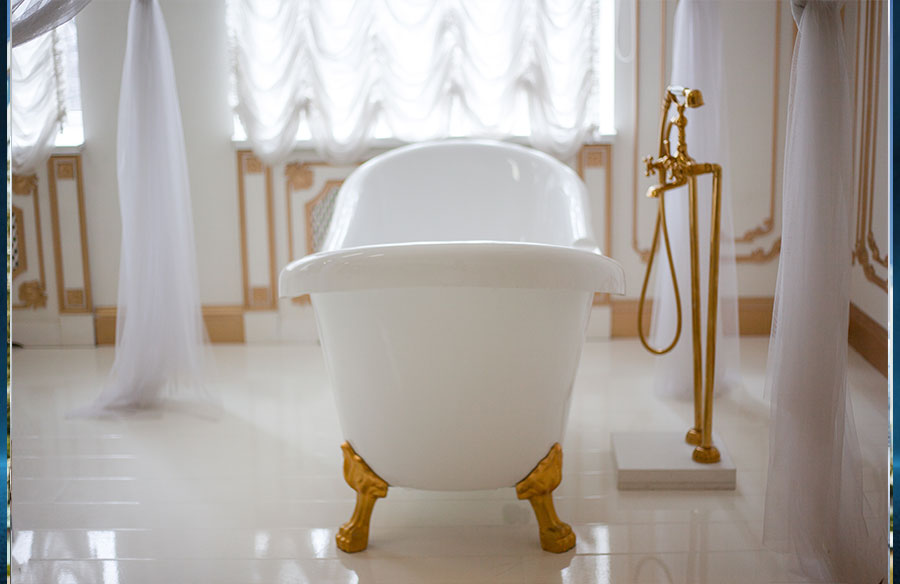
Cast iron tubs embody a classic, timeless aesthetic. They are synonymous with traditional and vintage-style bathrooms. Their weight gives them a feeling of permanence and solid quality that is difficult to replicate. While available in a range of colors, the design options are generally more limited to classic shapes like clawfoot, pedestal, and alcove models. They make a bold statement of elegance and endurance.
Conclusion: Making the Right Choice for Your Home
The decision between an acrylic and a cast iron bathtub ultimately comes down to your personal priorities, lifestyle, and budget.
Choose a cast iron tub if you value unparalleled durability, a timeless classic aesthetic, and superior long-term heat retention. You must be prepared for the high initial cost, the logistical challenges of its immense weight, and the need for professional installation. It is an investment in a permanent, heirloom-quality fixture that can last a lifetime.
Choose an acrylic tub if you prioritize modern design options, comfort (especially its warm-to-the-touch feel), easier installation, and a more budget-conscious price point. You should be comfortable with a maintenance routine that avoids abrasive cleaners to preserve its finish.
Both materials are excellent choices that serve different purposes. By weighing the practical factors of cost and installation against your desired bathing experience and aesthetic goals, you can confidently select the bathtub that will turn your bathroom into a perfect personal retreat.