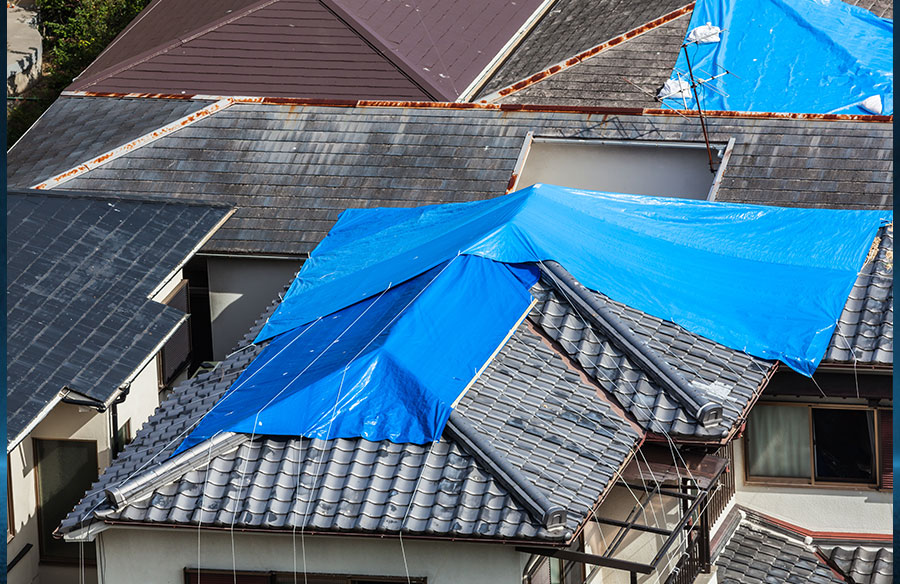
A small crack in a roof tile can seem minor, but if ignored it may lead to leaks, costly repairs, and serious structural problems. Spotting roof damage early is the only way to avoid these risks.
The roof is a vital part of the building envelope, protecting occupants, maintaining energy efficiency, and supporting long-term sustainability. When damage goes unnoticed, both performance and aesthetics decline.
This article outlines the key signs of roof damage that architects, designers, and homeowners should watch for to prevent problems before they escalate.
Why Roof Health Matters in Architecture and Urban Design
A roof is more than just shelter. It is a design element that influences efficiency, resilience, and sustainability. In modern architecture, the roof is seen as part of an integrated system that regulates temperature, prevents moisture from entering the structure, and supports insulation.
When a roof begins to fail, the impact goes beyond appearance. Issues such as moisture ingress, thermal loss, and poor insulation affect structural integrity and increase energy costs. These problems reduce the lifespan of the building and make it harder to meet sustainability goals.
Routine inspections and timely repairs help architects and property owners keep the roof performing at its best. Regular maintenance supports sustainable design, reduces environmental impact, and improves comfort for occupants.
Visual Signs of Roof Damage You Shouldn’t Ignore
Roof damage often begins with small visual changes. Spotting these early can prevent more serious issues later.
Colour Fading and Surface Wear
Constant exposure to sun, rain, and temperature shifts weakens protective coatings. Fading or patchy colour is usually the first sign. While it may look like a cosmetic issue, surface wear reduces waterproofing and speeds up deterioration.
Cracks, Gaps, and Displaced Materials
Cracked tiles, curled shingles, or shifted metal sheets are clear warning signs. These gaps allow water to enter, which can cause leaks, damage insulation, and weaken the structure. Fixing these problems early helps maintain both safety and appearance.
Rust and Corrosion in Metal Roofing
Steel and aluminium roofs are prone to rust if not maintained. Once corrosion begins, the panels lose strength and can eventually fail. Detecting and treating rust early reduces costs and extends the life of the roof.
Growth of Moss, Mould, and Lichen
Moisture encourages the growth of moss, mould, and lichen. These trap water against the roof surface and erode waterproofing layers. In humid climates, growth can spread quickly, causing leaks and lowering the visual appeal of the building.
Structural and Interior Warning Signs
Roof damage is not always visible from the outside. Some problems appear inside the structure and should not be ignored.
Sagging Rooflines and Uneven Surfaces
A sagging roofline often indicates weakened rafters, overloaded trusses, or water-damaged underlayment. This is more than a cosmetic problem and usually points to serious structural stress.
Stains and Water Marks on Ceilings
Patches or stains on ceilings and walls are common signs of water intrusion. Even minor leaks can lead to mould, rot, and damaged insulation if repairs are delayed.
Energy Inefficiency and Rising Utility Costs
A compromised roof can reduce insulation performance. Heat escapes more easily in winter, while in summer the building retains excess heat. This forces heating and cooling systems to work harder, leading to higher energy bills and reduced comfort.
Environmental and Climatic Factors That Accelerate Roof Damage
Climatic conditions play a major role in how quickly a roof deteriorates. Recognising these factors helps property owners and architects plan maintenance before small issues become major problems.
Urban Heat Islands
- Prolonged heat in cities accelerates the breakdown of protective coatings.
- Dark-coloured roofs absorb more heat, leading to faster material fatigue.
- Thermal expansion and contraction from extreme heat cycles can cause cracks and gaps.
Storms and Heavy Rain
- Intense downpours increase the risk of leaks and water infiltration.
- Blocked gutters from storm debris cause water pooling along roof edges.
- Prolonged water exposure can weaken underlayment and timber structures.
- Flash flooding and poor drainage systems add additional stress to older roofs.
Hail and Strong Winds
- Hail can crack tiles, puncture roofing membranes, or dent metal sheets.
- High winds can lift shingles or dislodge roof panels, leaving open entry points for water.
- Repeated exposure to wind stress weakens fixings and fasteners over time.
- Flying debris during storms may directly damage the roof surface.
Local Context
- In Melbourne, tiled roofs often need repainting or repointing every 10–12 years due to constant weather shifts.
- In Adelaide’s coastal areas, salt in the air accelerates corrosion in metal roofing.
- In tropical or humid regions, roofs are prone to moss and mould growth that shorten their lifespan.
- In colder climates, ice dams can form, causing water to back up under roofing materials.
Understanding these environmental pressures allows for proactive maintenance tailored to location and climate.
The Role of Preventive Inspections and Maintenance
Regular inspections are one of the most effective ways to avoid expensive roof repairs.
- Frequency: Roofs should be checked at least twice a year, preferably in spring and autumn. Extra inspections are recommended after major storms.
- Professional Reports: A professional roof report can uncover hidden problems such as damaged underlayment or small leaks before they become serious.
- Modern Tools: Drones, infrared cameras, and moisture sensors make it possible to carry out accurate, non-invasive assessments.
By including these practices in routine building management, both homeowners and architects can extend the service life of roofing systems and maintain consistent performance.
Professional Solutions for Long-Term Protection
While some upkeep tasks can be managed by property owners, many issues require professional expertise. Attempting DIY repairs on structural damage, sagging, or major leaks often leads to incomplete fixes or safety risks.
For homeowners in Victoria, professional roof repair in Melbourne from Top Glaze ensures compliance with local codes and comes with workmanship guarantees. In South Australia, trusted providers of roof replacement in Adelaide, such as Metro Roof, deliver long-term solutions using sustainable materials suited to the region’s climate.
Knowing when to call in experts is essential to maintaining both safety and long-term value.
Sustainable Approaches to Roof Care
Roof maintenance is also an opportunity to integrate sustainability into building management.
- Eco-Friendly Coatings: Extend durability while reducing environmental impact.
- Sustainable Materials: Metal roofing with high recycled content or durable, long-life tiles.
- Lifecycle Perspective: Early detection of roof damage aligns with broader sustainability practices, reducing waste and avoiding premature replacements.
By combining preventive care with sustainable choices, buildings can meet both performance and environmental goals.
Final Thoughts on Spotting Roof Damage Early
Identifying roof damage early is one of the most effective ways to protect safety, efficiency, and value. Small issues such as cracks, stains, or minor leaks can quickly escalate into major repairs if ignored. Acting early prevents unnecessary costs and safeguards the integrity of the entire building.
Quick Recap of Warning Signs to Watch For:
- Fading or worn surfaces
- Cracks, gaps, or displaced materials
- Rust and corrosion on metal
- Moss, mould, or lichen growth
- Sagging rooflines or uneven surfaces
- Ceiling stains and water marks
- Rising energy costs from poor insulation
Roof health is not just a maintenance concern — it is part of sustainable design and long-term building performance. Regular inspections, professional expertise, and smart material choices ensure that the roof, and the structure it protects, remain reliable for decades. The best time to act is before the damage becomes visible.