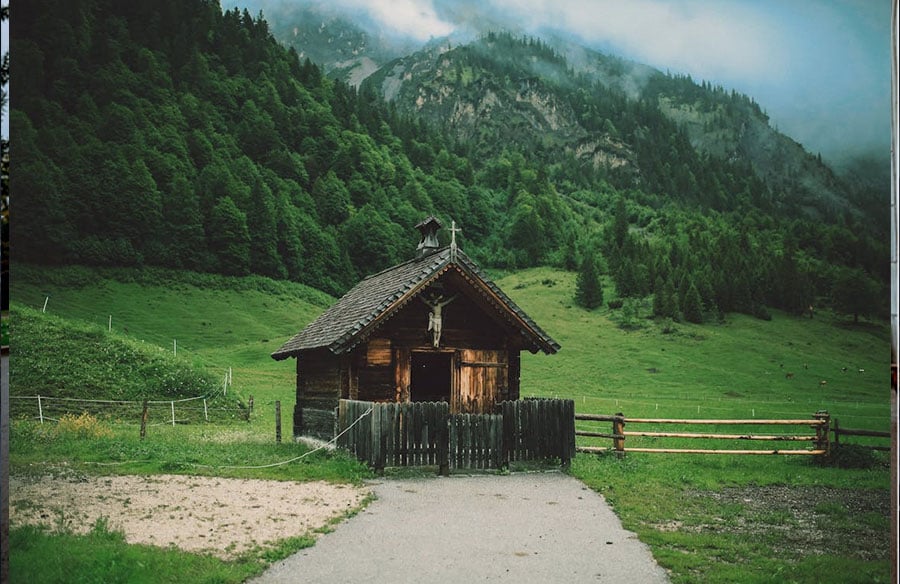
The idea of living small has never been more appealing. With the rising popularity of minimalism, many homeowners are rethinking how much space they truly need. The tiny farmhouse, in particular, has emerged as a fresh approach that balances simplicity with timeless rural charm. It is proof that a home does not need to be sprawling to feel inviting, comfortable, and stylish.
At first glance, it might seem like a tiny farmhouse stands in contrast to traditional farmhouse plans for large families, which often feature expansive porches and multiple bedrooms. Yet, the spirit is the same. Both celebrate practicality, warmth, and spaces designed for gathering. The modern shift is simply about reimagining these beloved elements in a smaller, more efficient footprint, without losing the soul that makes farmhouse living so appealing.
Why Tiny Farmhouses Capture Attention
Tiny farmhouses have struck a chord with those who want simplicity without sacrificing beauty. Their designs usually incorporate clean lines, natural textures, and smart layouts that make every inch count. They embody the essence of rural living but through a lens that fits contemporary life.
Key features often include:
- Open floor plans that connect kitchen, dining, and living areas.
- Exposed wood beams or board-and-batten siding for a rustic touch.
- Clever storage hidden in staircases, under seating, or behind sliding barn doors.
Each detail is purposeful. The result is a home that feels uncluttered yet full of personality.
Blending Minimalism with Warmth
Minimalist design is not about stripping away character. It is about letting the essentials shine. In a tiny farmhouse, this philosophy blends with the cozy familiarity of rustic style. A neutral palette sets the stage, while warm wood, handmade furniture, and vintage finds add depth.
This balance is what makes tiny farmhouses so engaging. The minimalist side ensures the home feels light and open, while the rural side makes it comforting and approachable. It is a style that appeals both to design enthusiasts and families seeking an inviting retreat.
Living Large in a Small Space
A tiny farmhouse challenges the notion that more space always equals better living. By focusing on function, a smaller layout can actually feel liberating. With fewer rooms to manage, life slows down. Owners often find they spend more time together in shared spaces rather than spread thin across multiple floors.
Many designs still include generous porches or patios. These outdoor extensions double the living area and give homeowners the chance to enjoy fresh air and views of the landscape. In this way, tiny farmhouses are not confined. They open outward, embracing the environment around them.
Why They Make Sense Today
The appeal of tiny farmhouses is not just aesthetic. They also respond to practical needs. Smaller footprints are often more affordable to build and maintain. They can be energy efficient, using fewer resources to heat and cool. For those seeking sustainable choices, this is an easy way to align values with lifestyle.
Younger homeowners are especially drawn to this trend. For many, a tiny farmhouse is a first step into ownership without the weight of large mortgages. Retirees, on the other hand, appreciate the ease of downsizing while still enjoying a home that feels warm and connected to tradition.
Designing with Purpose
The magic of a tiny farmhouse lies in the details. A vaulted ceiling can make a small living room feel expansive. Skylights brighten narrow hallways. Sliding doors save precious square footage compared to swinging ones.
Furniture also plays a big role. Pieces that serve multiple purposes—a dining table that doubles as a work desk, or a storage bench that offers extra seating—help maximize usability. Every choice contributes to creating a home that feels complete, even in less than 1,200 square feet.
Where Inspiration Comes From
Tiny farmhouse designs do not appear in isolation. They take cues from larger traditional layouts, reinterpreted with efficiency in mind. A wraparound porch might be trimmed into a smaller front stoop. A big farmhouse kitchen may be reimagined as a compact galley that still encourages conversation.
This connection to traditional design roots shows that the tiny farmhouse is not a compromise. It is an evolution. It respects the farmhouse tradition while adapting to modern life.
The Emotional Pull of Rural Charm
Beyond efficiency and clever layouts, there is something more at play: emotion. Farmhouses have always carried a sense of nostalgia. They remind us of slower days, community gatherings, and meals shared at long wooden tables. Even in a smaller frame, that feeling remains.
The tiny farmhouse channels this charm while keeping design fresh. It proves that homes can be both practical and emotionally resonant.
 Conclusion: Small Yet Significant
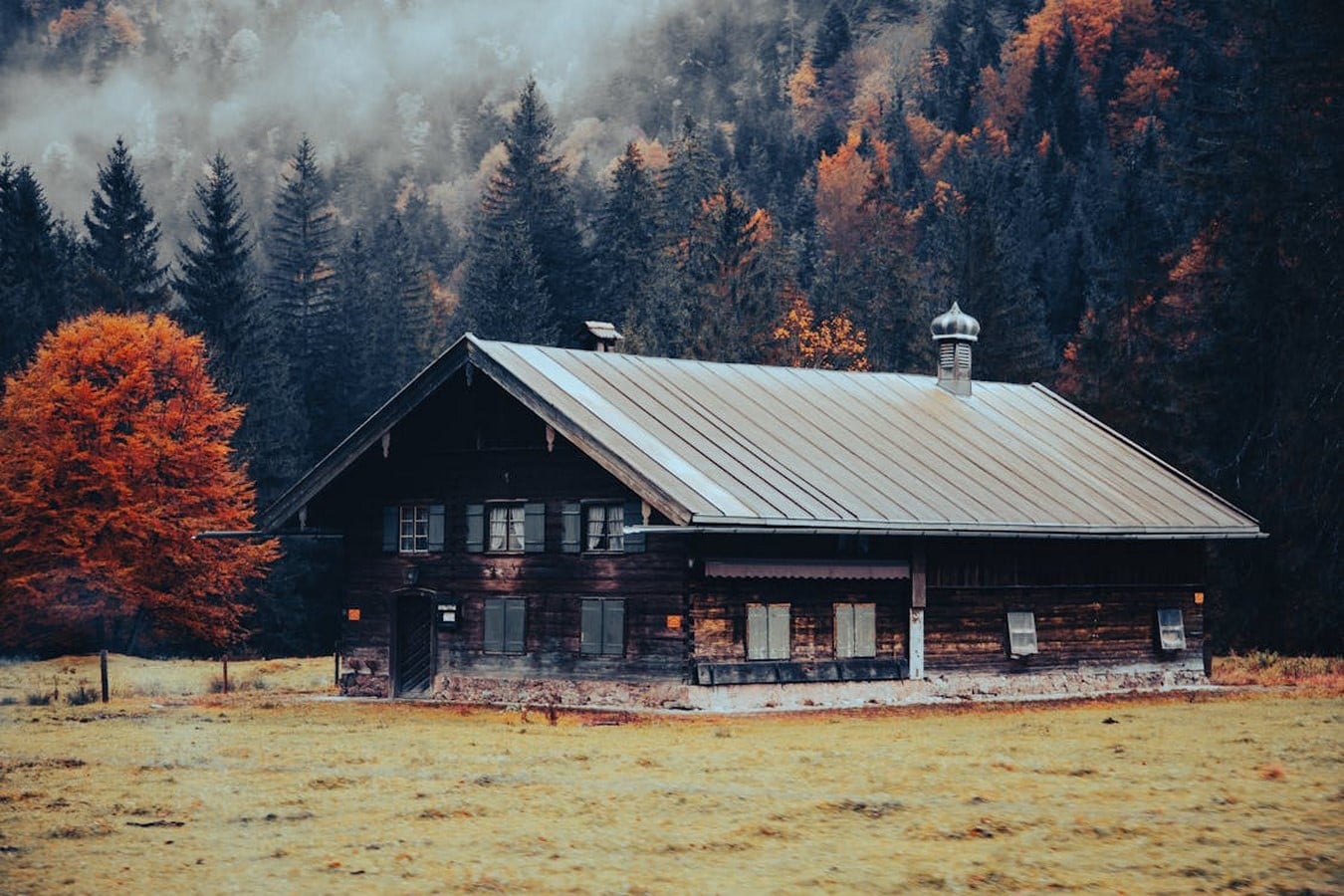
Tiny farmhouses represent more than just a design trend. They are a cultural shift toward valuing what truly matters in a home. They prioritize warmth, simplicity, and togetherness over square footage. Whether as a primary residence, a guest retreat, or even a vacation rental, these small-scale homes leave a big impression.
In the end, they remind us that design is not about size. It is about how a space makes us feel, and how well it supports the lives we want to live.