In minimalist architecture, railing systems serve not merely as safety elements but as sculptural tools that shape perception, light, and spatial continuity. The guiding principle is clear: create railings that visually disappear, embedding safety into transparency, structural finesse, and elegant restraint. This article explores strategies and systems that achieve such ethereal presence, culminating in how advanced modular systems embody this pursuit of seamlessness.
Minimalist Strategies for Vanishing Railings
1. Transparency through Glass
Glass panels are the quintessential minimalist choice. Their seamless integration and visual clarity dissolve boundaries, maintaining uninterrupted sightlines and allowing natural light to flow freely, critical in small or open-plan spaces. Frameless installations, where glass is clamped or embedded with minimal visible hardware, reinforce the sense of openness while keeping safety uncompromised.
2. Delicacy via Cable and Mesh
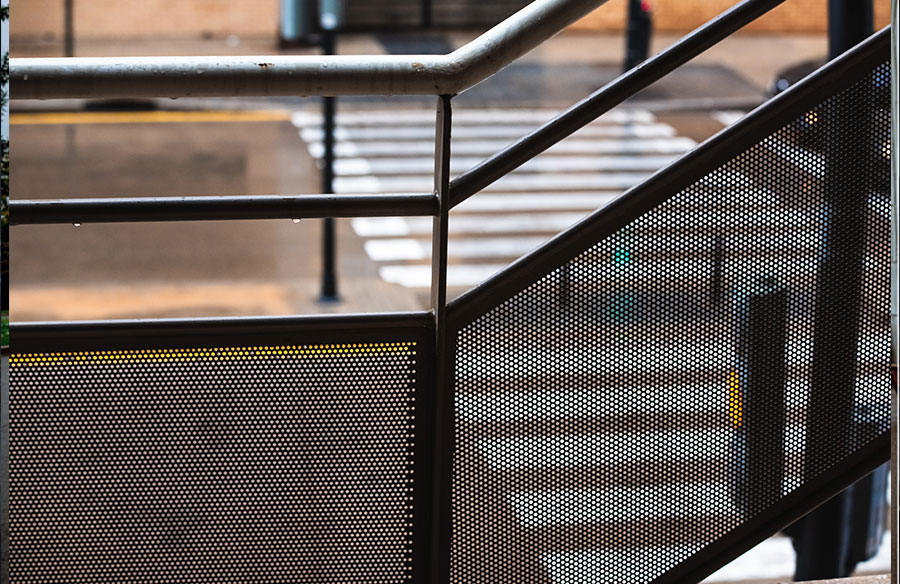
Cable railings, thin horizontal or vertical tensioned stainless steel wires deliver minimal visual weight while preserving structural efficiency. Mesh railings (expanded metal or welded grids) similarly allow light and sight to pass through, creating an airy barrier that performs without visual clutter. Both approaches highlight strength through lightness.
3. Material Balance: Steel Meets Glass
Marrying industrial strength with optical lightness, the juxtaposition of steel and glass embodies minimalist poetry. Steel offers a disciplined framework; glass softens it through transparency, achieving equilibrium between robustness and delicacy, especially effective in compact or high-traffic zones.
4. Precision in Proportions and Geometry
Minimalism thrives on clean lines, tight tolerances, and proportional restraint. Geometric railings, wireframes or ribbon-like glass balusters can create a visual rhythm that is both light and structured, adopting almost an ornamental minimalism that doubles as structural choreography.
The Role of Detailing in Minimalist Railings
Minimalist railing design is less about what is added and more about what is concealed or eliminated. Every visible element must justify its presence. This makes detailing critical:
- Concealed Fixings – Hidden screws, embedded anchors, and low-profile clamps allow the railing to appear as if floating.
- Slim Profiles – Narrow top rails or no rails at all reduce visual interruption.
- Refined Joints – Precision engineering ensures seamless transitions at corners and intersections, preserving continuous lines.
- Surface Finishes – Matte metal, clear glass edges, and subtle coatings reduce reflections and distractions.
The cumulative effect of these details is a railing that fulfills its duty without announcing itself.
Minimalism in Motion: Spatial Impact & Visual Experience
The power of minimalist railing systems lies not only in their look, but in how they influence human perception and experience:
- Visual Weightlessness
Transparent or ultra-slim rails minimize obstruction, making spaces feel larger and blurring the distinction between structure and void.
- Light and Shadow Dynamics
Railings that rely on cables, glass, or mesh interact with natural and artificial light in delicate ways, casting subtle shadows, diffusing illumination, or creating reflections that enrich spatial experience.
- Enhanced View and Flow
By reducing visual noise, these railings invite fluid movement and uninterrupted panoramic vistas, reinforcing minimalist architecture’s dialogue with its context.
Advanced Systems for Seamless Results
For architects and builders, realizing this vision requires not just design intent but also precision-built systems that integrate safety with aesthetics. Prefabricated modular systems offer a key advantage: components engineered for exact tolerances, allowing concealed fasteners, clean joints, and consistent results across projects.
One such example is Connectorail®, which achieves a balance between elegance and engineering by using concealed mechanical fasteners and precise components. This approach eliminates bulky welds or brackets, allowing for railings that appear continuous and unobtrusive while still meeting rigorous structural demands.
Design Guidelines for Integration
To create railings that are both nearly invisible and reliable, designers can follow several best practices:
- Material Selection – Use tempered or laminated glass, stainless steel cables, or fine mesh for strength and transparency.
- Subtle Fixings & Slim Profiles – Opt for hidden hardware and slim rails that dissolve into the background.
- Structural Collaboration – Work closely with engineers to ensure that minimalist detailing meets safety codes without overbuilding.
- Installation Fidelity – Minimalist designs demand precision; sloppy execution undermines the aesthetic.
- Contextual Sensitivity – Always consider how the railing interacts with light, sightlines, and user interaction within its setting.
Conclusion
Architectural minimalism finds one of its most refined expressions in railings that virtually vanish, offering protection without disruption, structure without monumentality, and clarity without absence. Through strategies like glass transparency, cable finesse, steel-glass harmony, and hidden detailing, designers can craft environments that feel open, light-filled, and seamlessly connected.
When executed with precision, these systems demonstrate that railings can be more than barriers: they can be quiet enablers of architectural purity. In this pursuit, advanced modular solutions like Connectorail® provide the technical finesse to realize railings that perform structurally while nearly disappearing from view, capturing the very essence of minimalism.