A room without curtains often feels incomplete-like a beautifully dressed figure missing their final accessory. Curtains do more than block out light or add privacy. In the hands of a designer, they become a vital artistic element that frames a space, adds emotional tone, and connects every piece of furniture, light, and color into a cohesive whole.
Treating curtains as art isn’t just about picking pretty fabric. It’s about understanding how texture, movement, and color interact with your room’s architecture. From soft sheers that sway with the breeze to dramatic velvets that command attention, the right window treatment can elevate a space from ordinary to exceptional. They can soften a harsh room, draw the eye upward, or even create a sense of balance where none existed.
In this article, you’ll discover the insider secrets that professional designers use when choosing and styling curtains-how they think about texture, why they layer, and how a well-placed fold or pleat can completely transform a room. Whether you’re curating a modern minimalist space or designing a cozy, eclectic nest, you’ll walk away with ideas that blend creativity with practicality-and a deeper appreciation for curtains as true pieces of art.
Why Curtains Deserve Artistic Status in Interior Design
Curtains often go unnoticed until they’re missing. But once installed, they can dramatically reshape the feel of a space. Designers know this. That’s why they don’t treat curtains as an afterthought-they treat them as a canvas. A tool. A finishing touch that anchors a room’s personality. Whether the space is flooded with natural light or leans on moody, ambient tones, curtains help regulate not just the lighting, but the emotional temperature of the room itself.
Think of a blank window like an empty frame. Curtains give it form and function. Their lines and folds introduce movement, rhythm, and softness into rigid architectural spaces. A sheer linen panel in a sunroom breathes and glows with daylight, creating a sense of openness and airiness. Heavy velvet drapes in a living room absorb sound, deepen the mood, and lend a sense of elegance. Each choice-fabric, length, fullness-is intentional. Each element works together to support the story the room is telling.
Designers often use curtains to guide the eye. Hanging them from ceiling to floor draws attention upward, making ceilings appear higher and rooms more spacious. Using contrasting colors or textures around the windows can frame a view, subtly highlighting the outdoors as part of the design. In open-plan homes, curtains can even divide space without constructing walls, helping define zones for living, dining, or relaxing-all while adding style.
Curtains are versatile, but their strength lies in how they balance practicality and aesthetics. They control light, offer privacy, and reduce echo, but at the same time, they add character, sophistication, and emotion. It’s this dual purpose that earns curtains their rightful place as a legitimate artistic medium in the world of interior design.
Choosing the Right Fabric Textures: The Foundation of Artistic Impact
Texture is the soul of any well-designed curtain. It’s what transforms a flat surface into something tactile, layered, and visually engaging. When designers choose fabrics, they’re not just selecting colors or weights-they’re curating a sensory experience. A curtain’s texture dictates how it interacts with light, how it feels to the touch, and how it contributes to the atmosphere of a room.
Linen, for example, is a designer favorite for its relaxed, breathable texture. It diffuses sunlight beautifully, softening harsh light and giving rooms a warm, lived-in glow. It works especially well in spaces meant to feel casual, coastal, or naturally minimal. Silk, on the other hand, exudes luxury. Its delicate sheen and fluid drape add an elevated, sophisticated tone-ideal for formal living rooms, dining areas, or master bedrooms where you want to impress with elegance and refinement.
Then there’s velvet-thick, plush, and dramatic. It absorbs more light than it reflects, creating depth and intimacy. In larger rooms, velvet curtains can ground the space, making it feel cozier and more balanced. Cotton and polyester blends offer versatility. These fabrics are often chosen for their durability and ease of maintenance, but when woven or embroidered, they can still deliver a refined, artistic finish.
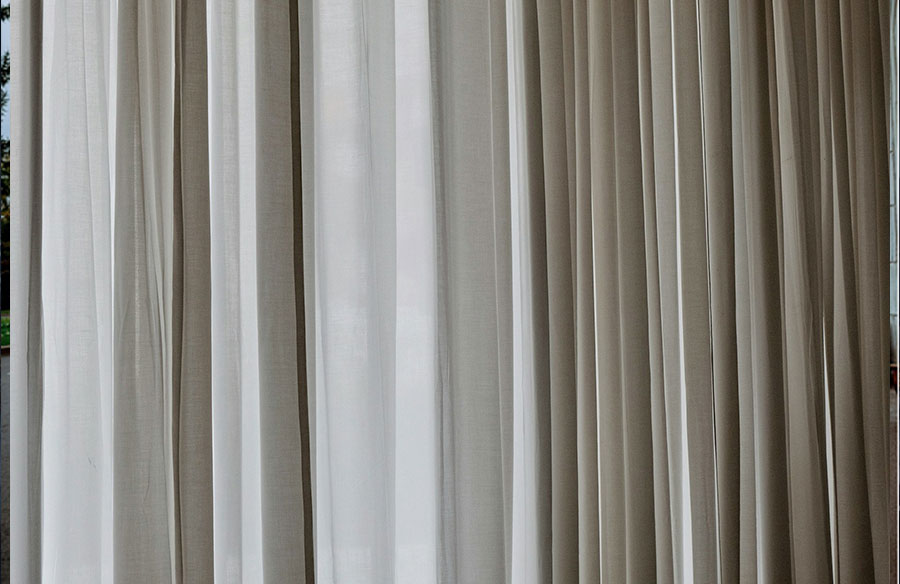
Texture also influences how curtains move. Heavier fabrics create more pronounced pleats and folds, which contribute to a sculptural effect. Lighter materials catch air and shift with the breeze, adding softness and life to a room. Designers often play with these dynamics, pairing dense textiles with sheers to create a layered interplay between light, weight, and shadow.
Choosing the right texture isn’t just about what looks good-it’s about how you want the space to feel. Do you want light to pour in and dance on your floors? Or are you trying to cocoon the space in warmth and quiet? Texture answers those questions without a single word. It’s the silent storyteller of every well-dressed window.
 Layering Curtains Like a Designer: Depth, Function & Beauty
Layering isn’t just a fashion technique-it’s a powerful interior design move. When done right, layering curtains creates visual depth, improves functionality, and adds a curated, designer-level polish to any room. It’s a technique rooted in balance: pairing softness with structure, opacity with translucency, and practicality with art.
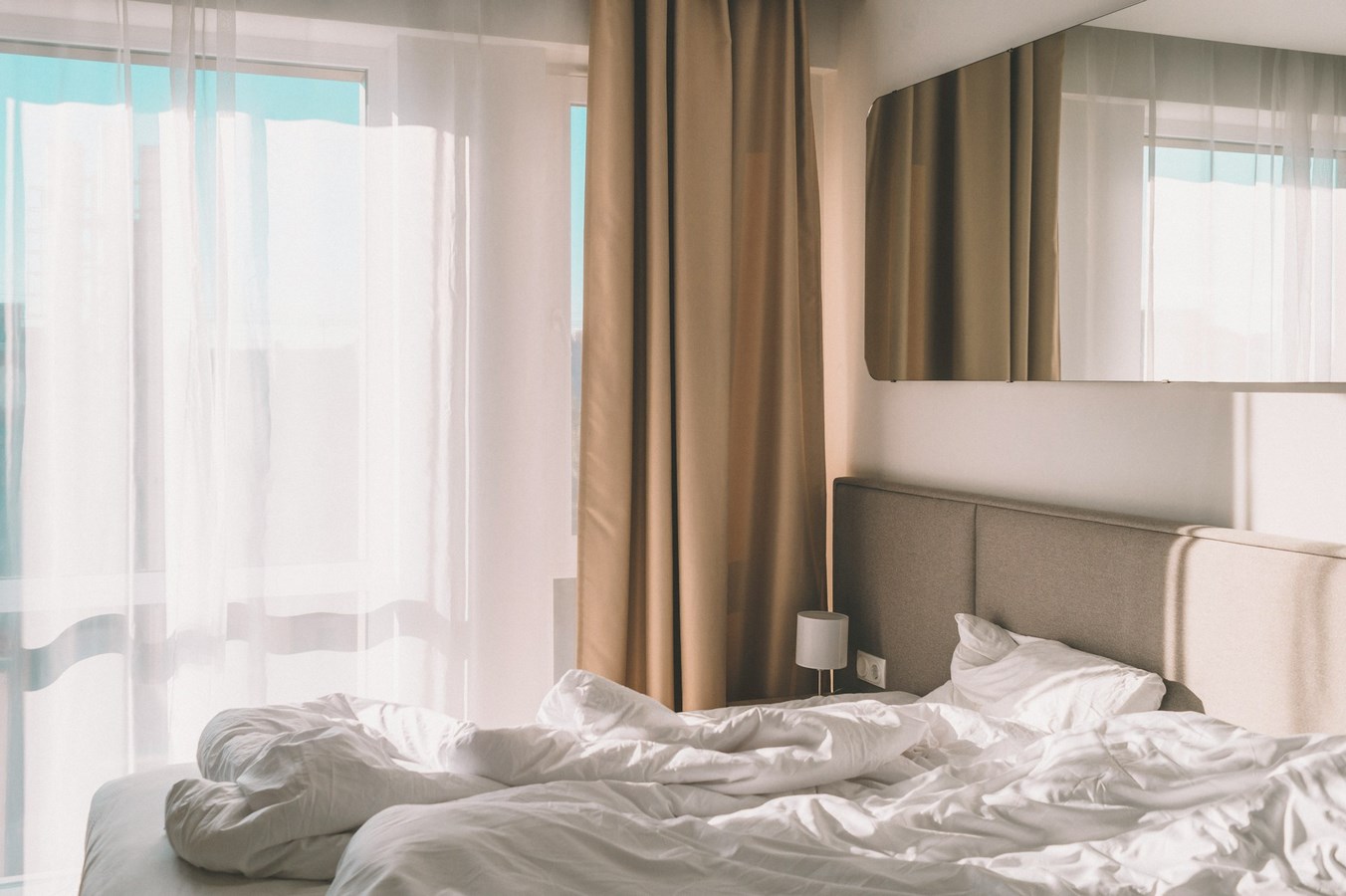
Designers often begin with a base layer of sheer fabric. These light, airy panels allow sunlight to filter through gently, softening the space and creating a sense of calm. Sheers work beautifully during the day, especially in living rooms or dining areas where you want to maintain natural light without sacrificing privacy. Over this, a heavier drape is added-not just for aesthetic contrast, but for insulation, noise reduction, and nighttime coverage. The result is a rich, dimensional effect that instantly elevates the space.
Layering also gives you flexibility. Need bright daylight? Pull back the heavier curtain and let the sheers breathe. Want to darken the room for an evening movie or extra privacy? Simply draw both layers closed. Designers love this level of control-not just in lighting, but in the visual impact that layers create. It’s like painting with fabric. The outer drapes can introduce bold colors, textures, or patterns, while the inner layer remains soft and neutral to balance it out.
Functionality doesn’t need to come at the expense of style. In fact, in certain spaces-like commercial areas, rental apartments, or homes with children and pets-functionality becomes essential. That’s where thoughtful choices matter even more. For example, incorporating fire retardant curtains into your design allows you to maintain both safety and aesthetic integrity. These specialty curtains come in a wide range of textures, weights, and styles, meaning you don’t have to compromise beauty for peace of mind. Whether used in a layered setup or as a standalone feature, they blend seamlessly into modern design schemes while adding a layer of protection you might not even notice-until it matters most.
Layering, ultimately, is about intentionality. It shows that you’ve considered how the room lives and breathes throughout the day and night. More importantly, it lets you play with materials and textures in a way that adds richness without overwhelming the space. And that’s exactly what good design should do-enhance, never distract.
Playing with Color and Pattern: The Painter’s Palette for Designers
Color is one of the most immediate and emotional tools in a designer’s arsenal. It sets the tone, evokes feelings, and communicates a room’s personality without saying a word. When applied to curtains, color can become either a subtle complement or a bold centerpiece-depending on how it’s used. Designers treat curtain color the same way a painter approaches a canvas: with intention, contrast, and harmony in mind.
For a calm, timeless look, neutral tones are often the go-to. Shades like ivory, soft gray, taupe, or warm sand blend seamlessly into most interiors and allow other elements-like artwork, furniture, or lighting-to take center stage. These hues are especially useful in minimalist or Scandinavian-inspired spaces, where the goal is to create a soothing and balanced environment. But neutrals don’t have to be boring. Choosing a slightly textured fabric or a layered neutral palette can still add visual interest without overwhelming the eye.
When designers want to make a statement, they turn to color and pattern with purpose. Deep navy, rich emerald, or burnt terracotta curtains can anchor a space and give it a sense of drama. These colors work well in rooms with high ceilings or bold furniture pieces, creating a cohesive, intentional design narrative. Patterned curtains-florals, geometrics, or abstract prints-introduce movement and storytelling. They can reflect personal style, draw from cultural influences, or echo a recurring motif in the room. Used thoughtfully, patterns don’t clutter a space-they give it voice.
The key is balance. If your walls and furniture lean neutral, bold curtain colors or prints can provide the spark the room needs. Conversely, in a space already rich in color or texture, simpler curtains can help ground the design. Designers often test swatches in different lighting conditions, since color can shift dramatically between morning sunlight and evening lamplight. A shade that feels warm and golden at noon might turn cool or dull after dark.
And then there’s the emotional language of color. Blue tones offer serenity. Greens bring a sense of nature and calm. Yellows energize, while darker shades can provide intimacy or elegance. When selecting curtain colors, professionals think not just about aesthetics-but about how a person will feel while living with those colors day in and day out. Because that, in the end, is the magic of color: it doesn’t just decorate-it transforms.
Curtain Styles That Elevate Any Room
Curtain style plays a critical role in shaping a room’s overall aesthetic. It’s not just about hanging fabric – it’s about how that fabric interacts with architecture, lighting, and furnishings. Designers carefully select styles that enhance the room’s purpose and personality, transforming simple windows into stunning design statements.
Floor-to-ceiling curtains remain a timeless choice. When hung from just below the ceiling and pooling slightly on the floor, they create an illusion of height and grandeur. This technique makes rooms feel larger and more open, a trick often employed in modern and classic interiors alike. The key here is proper installation – curtain rods or tracks need to be positioned high and wide enough to ensure the curtains frame the window elegantly without crowding it.
Different heading styles bring their own flavor to the design. Pinch pleats, with their neat, tailored folds, exude a refined, traditional look. They add structure and depth to heavier fabrics, making them ideal for formal dining rooms or living spaces where elegance is paramount. Ripple fold curtains, on the other hand, offer a sleek, contemporary vibe with smooth, consistent waves. They glide effortlessly along tracks, perfect for minimalistic or modern settings seeking clean lines.
Grommet top curtains introduce a casual, playful touch. Their large metal rings allow fabric to hang in soft, wide folds, creating an approachable yet stylish look. This style works well in informal spaces like bedrooms or home offices, where ease of use and relaxed aesthetics matter. Each style not only defines the curtain’s movement but also impacts how light and air flow through the room, influencing the overall mood.
Selecting the right curtain style means aligning with your room’s function and atmosphere. Heavy, structured curtains might suit a formal space where you want to block noise and light, while lighter, flowing styles invite a breezier, more relaxed ambiance. Designers know that style is more than appearance – it shapes how you experience the space every day.