Introduction
Tax-deferred real estate exchanges, commonly known as 1031 Exchanges, have become an essential strategy for investors looking to grow their real estate portfolios while minimizing immediate tax burdens. By allowing the proceeds from a property sale to be reinvested into a “like-kind” property, these exchanges preserve capital and create opportunities for long-term wealth accumulation. Understanding the fundamental rules, potential benefits, and common pitfalls is key for any investor seeking to leverage this powerful tax planning tool. From identifying suitable replacement properties to navigating regulatory updates, mastering the intricacies of 1031 Exchanges can make a significant difference in achieving strategic real estate goals.
The Basics of Tax-Deferred Real Estate Exchanges
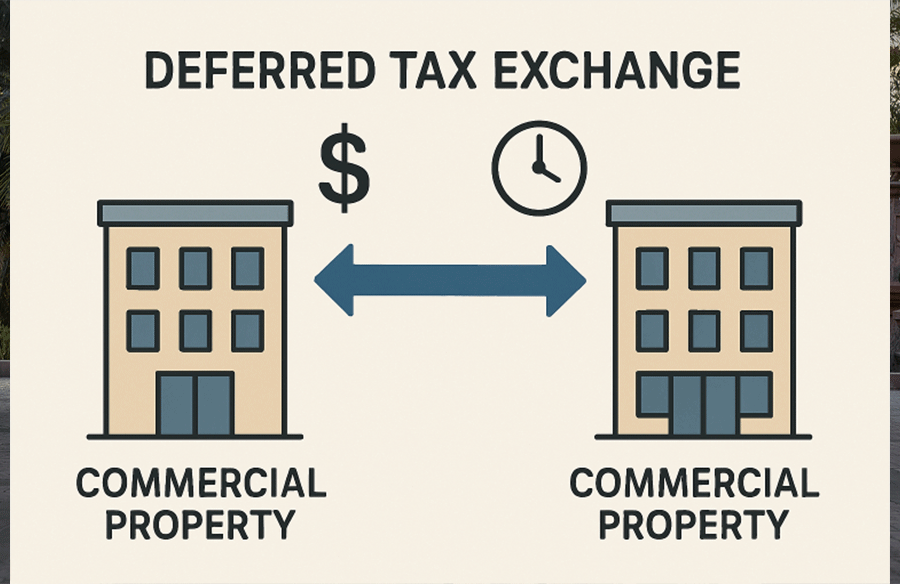
Tax-deferred real estate exchanges, commonly known as 1031 Exchanges, are a strategic method available to property investors for deferring capital gains taxes. Rooted in Section 1031 of U.S. tax law, these exchanges enable investors to reinvest the proceeds from the sale of an investment property into another “like-kind” property, thereby maintaining their investment momentum without the immediate tax burden. This tax planning tool supports investors aiming to expand or diversify their real estate portfolios, nurturing long-term growth.
One of the fundamental resources for understanding and navigating these transactions is my1031pros.com, which provides detailed guidance, expert insights, and industry best practices for investors at all levels. By leveraging platforms like these, investors can position themselves to utilize tax-deferral opportunities and maximize returns fully.
The primary advantage of a tax-deferred exchange is the postponement of capital gains taxes, thereby preserving more capital for reinvestment. Core concepts include “like-kind” property (both properties must be of a similar nature, not necessarily of equal quality), “replacement property” (the new property acquired), and the crucial role of “qualified intermediaries” (neutral third parties who facilitate the exchange).
These guiding principles were established to promote continued investment in U.S. real estate and to enhance market liquidity. They create a flexible yet compliant framework for investors seeking tax efficiency. Understanding these foundational elements is crucial to effectively leveraging 1031 Exchanges.
How Tax Deferral Works in Real Estate Transactions
Capital gains tax is typically triggered when a property is sold for a profit. In the absence of an exchange, investors are required to pay taxes on the appreciated value, reducing their investment capital. However, a 1031 Exchange allows for a step-by-step deferment process in which the sale proceeds are transferred via a qualified intermediary and then used to purchase a link kind property within a specific timeframe. The IRS has set clear guidelines for these transactions: the investor must identify potential replacement properties within 45 days of selling their original asset and complete the acquisition within 180 days.
Benefits and Risks for Investors
Tax-deferred exchanges offer a robust range of benefits. Investors maintain greater purchasing power by deferring their tax liability, enabling them to acquire more valuable or diverse properties and intensify their portfolio growth. Additional advantages include enhanced leverage, improved cash flow, and compounding potential returns—positioning 1031 Exchanges as a catalyst for wealth accumulation.
However, these advantages come with risks. The most commonly cited pitfalls are the strict identification and closing timelines. Failure to comply with the 45-day or 180-day rules can result in loss of deferral and immediate tax consequences. There are also considerations around market timing, as finding a suitable replacement property within the deadlines may not always align with favorable market conditions. Liquidity can pose a challenge if cash is tied up during the process, particularly if complications arise.
Types of Property Eligible for Exchange
The IRS defines “like-kind” property broadly as real estate held for business or investment purposes. This means almost any real property can be exchanged, provided both are located within the United States. Eligible assets include commercial properties, such as office buildings or retail centers, as well as residential investments, including multifamily units, undeveloped land, and specific leasehold interests. Personal residences and property held primarily for resale, however, are excluded from eligibility.
For instance, an investor can exchange an apartment building for a shopping center, or raw land for a warehouse, as long as the properties are intended for investment. This flexibility makes 1031 Exchanges highly versatile for a wide range of real estate strategies.
Common Mistakes to Avoid
Several frequent mistakes can derail a successful tax-deferred exchange. Missing deadlines is the most common error, as the IRS’s procedural rules are not flexible. Incorrect property identification or mishandling proceeds—such as taking receipt of sales funds directly—can immediately negate tax benefits.
A case in point: An investor sells a rental property, fails to identify replacement properties within 45 days correctly, and loses the tax-deferral protection. Alternatively, an investor deposits sale proceeds into a personal account, rather than using a qualified intermediary, which can result in tax consequences. Maintaining a meticulous calendar, collaborating with experienced advisors, and understanding exchange requirements in advance are crucial to avoid costly missteps.
Recent Regulatory Changes and Their Effects
Over the past several years, significant regulatory changes have impacted how investors utilize tax-deferred exchanges. Notably, the Tax Cuts and Jobs Act of 2017 introduced restrictions that limited 1031 Exchanges to real property only, excluding personal property such as equipment or artwork. Furthermore, the IRS continues to clarify guidance regarding related-party transactions and tightened rules to prevent abuse.
Staying current is critical; ongoing updates from the IRS and state agencies can directly impact eligibility, reporting requirements, and structuring options.
Expert Tips for Navigating Tax-Deferred Exchanges
The most successful 1031 Exchanges begin with the selection of a reputable qualified intermediary—this professional manages the transfer and documentation of funds, ensuring compliance at every step. Seek intermediaries with established track records, client testimonials, and robust security measures.
Quickly identifying suitable replacement properties is key; many investors maintain a shortlist of potential assets and cultivate strong broker relationships to secure opportunities even within tight timeframes. Drawing on the expertise of experienced legal and financial advisors can help assess contracts, navigate due diligence, and formulate exit strategies tailored to specific investment goals.
Tax-Deferred Exchanges: Current Trends and Market Outlook
The environment surrounding tax-deferred exchanges is highly dynamic, shaped by economic trends, legislative changes, and fluctuating real estate cycles. Demand for 1031 Exchange transactions is rising among investors, who are responding to broader tax reform conversations and a competitive property market.
As more investors seek to unlock value through tax-deferral, strategic planning and vigilant compliance will define the market’s leaders. Staying proactive and informed positions investors to seize timely opportunities while minimizing risks in today’s ever-changing real estate landscape.