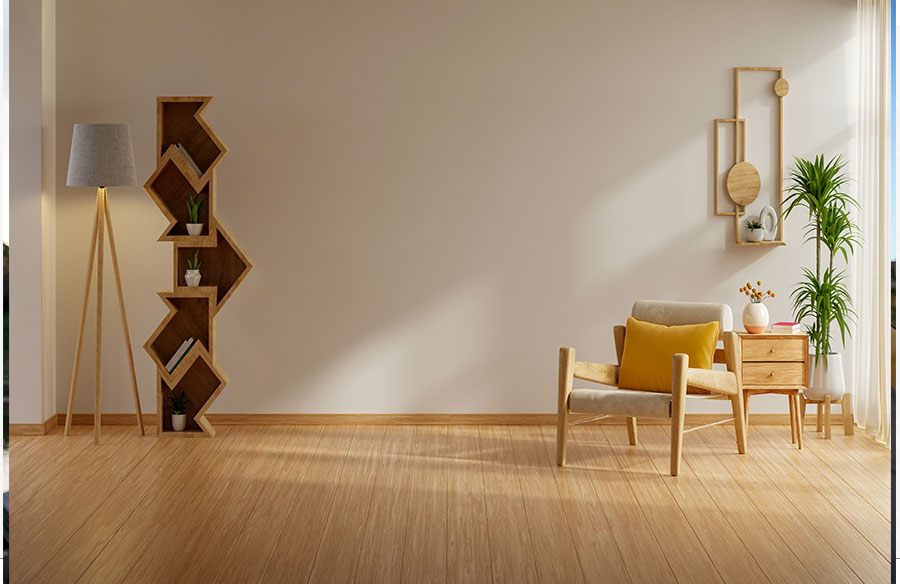
You enter a showroom that isn’t quite physical and isn’t entirely virtual. At first glance, it looks like a bright, clean furniture gallery, but the walls ripple faintly like water. As you approach a sleek sofa, your hand passes through its armrest and your palm tingles — it’s a holographic layer projecting a customizable skin over a physical frame. The price tag isn’t a static number; it’s a menu of subscription plans, each tied to different repair, upgrade, and recycling commitments.
In 2075, furniture is no longer “stuff” you own until it breaks or you get tired of it. It’s a living service, a social signal, and often a health companion. A coffee table isn’t just a slab of material — it might filter your air, adjust its height for posture support, or display real-time weather patterns from a distant city. A chair might silently track your spinal curve over decades, intervening before pain becomes injury. Dining tables could double as projection surfaces for remote gatherings where holographic guests take their seats.
This future isn’t pulled from pure fantasy. Its roots are already visible in the lab prototypes, design patents, and early-stage market experiments of today. Materials research, AI-driven customization, and circular manufacturing systems are converging in ways that make the idea of “static furniture” seem outdated. The traditional idea of buying a piece once and holding onto it until it’s worn out is eroding. In its place is a model where furniture is upgraded, adapted, and reimagined continuously.
The journey ahead will trace five major shifts — each backed by current innovations — that point toward a world where chairs, beds, tables, and shelves do far more than hold weight or fill space. We’ll look at the moment materials begin to self-heal, the rise of AI-enabled furniture, the blurring of lines between furniture and architecture, the cultural shifts in ownership and design, and the ecological transformation of furniture manufacturing.
This is not a prediction from a sci-fi novel. It’s a timeline that starts today, in the workshops and factories already experimenting with prototypes, and stretches forward half a century to a world where our seats, beds, and walls are as intelligent and adaptive as the devices in our pockets — and far more durable.
The Year Materials Learned to Think
The story of futuristic furniture starts with the materials themselves. In the 2020s, self-healing coatings began appearing in consumer products like phone cases and car paint. By the 2030s, these polymers evolved into furniture-grade surfaces that could erase scratches in hours using embedded microcapsules that release repair agents when damaged. Coffee rings disappear from wooden tables without sanding or refinishing. Scuffs on a sofa arm fade overnight.
Self-healing fabrics follow the same principle. When a pet’s claw snags a fiber, the damage doesn’t fray — it closes up as the textile’s microscopic filaments realign under mild heat. Laundry cycles become less about cleaning and more about triggering controlled regeneration.
Then comes adaptive density. By the mid-2040s, foams and gels embed programmable particles that alter their firmness based on posture, temperature, or even mood. A recliner senses if you’re tense and subtly softens; a work chair detects slouching and firms up its lumbar section. The adaptation is not mechanical — it’s chemical and structural, shifting at the molecular level in response to biometric signals from your skin and muscles.
Biological blends enter the market next. Mycelium, the root network of fungi, becomes a popular alternative to plastic frames. It’s lightweight, fire-resistant, and compostable at the end of its life. Algae-derived foams replace petroleum-based cushions, providing resilience without the environmental cost. By the 2050s, lab-grown wood from “arboretums in a box” allows manufacturers to produce boards with tailored grain patterns and densities — no tree felling required.
But material intelligence doesn’t just extend to production. Circular supply chains become the norm. Furniture is designed for disassembly, with every component tagged and tracked through blockchain systems. When a customer decides to “trade in” a table, it’s broken down into panels, legs, and fittings that are remade into other products. No quality is lost, and waste becomes almost nonexistent.
In 2075, a company like IKEA operates not as a retailer but as a lifetime subscription service. Customers pay a monthly fee for perpetual access to furniture, including repairs, upgrades, and redesigns. When you want a new style or function, the old version is collected, refurbished, and redeployed — not discarded. Ownership blurs into stewardship, and waste turns into a valuable raw material stream.
The year materials “learn to think” marks the true start of the furniture revolution. It’s when we stop treating surfaces and stuffing as inert and start recognizing them as dynamic systems — systems that can heal, adapt, and live alongside us.
When Furniture Became a Co-Habitant
By the late 2040s, AI is not just in your phone or thermostat — it’s embedded in the seat you sink into every evening.
Embedded AI companions transform furniture from static objects into interactive co-habitants. A chair in your living room might sense elevated cortisol levels through subtle skin conductivity changes and prompt you to slow your breathing. A desk could track your work patterns, gently suggesting stretch breaks when it detects a decline in typing rhythm or posture quality. Beds monitor micro-movements during sleep, adjusting tilt to reduce snoring or pressure points.
These interactions are not random. Predictive ergonomics allows furniture to learn your body over years, identifying gradual changes like spinal curvature shifts or muscle imbalances and making proactive adjustments before discomfort turns into chronic pain.
Mood-matching environments emerge next. Textures and lighting built into furniture respond in real time to your mental state. A couch can subtly warm its armrest fabric when you feel cold or switch to a cooler, smoother finish when you’re overheated. A reading chair might brighten a halo of light above you when it senses concentration, or dim the room for relaxation.
Yet this intelligence comes with privacy and consent challenges. If your sofa knows your stress levels better than your spouse, who owns that data? Does your bed share your sleep patterns with your healthcare provider? New laws begin to treat furniture as a health device, requiring transparent consent for biometric tracking.
In this era, furniture is no longer purely functional or decorative — it’s relational. Your favorite seat doesn’t just support you physically; it interacts with you emotionally. The boundary between human and home blurs.
Collapsing the Boundary Between Furniture and Architecture
Space constraints and urban density reshape furniture in profound ways. By the 2050s, modular morphing systems allow furniture to disappear when not in use. A wall can unfold into a dining table, complete with integrated lighting and seating. Beds sink flush into the floor, sealing with a smooth panel that doubles as a workspace.
Vertical living becomes common in megacities. Furniture isn’t just along the floor — it’s in the walls and ceilings. A couch might lower from above on silent magnetic tracks, then retract after use. Kitchen units fold flat against the wall, freeing the floor for other activities.
The trend reaches extreme environments. In space habitats, furniture is built into life-support systems — a seat may double as water storage or oxygen generation. In underwater dwellings, tables anchor to floors magnetically to withstand currents. On Mars, modular “living walls” combine storage, insulation, and radiation shielding.
The vanishing room concept redefines the idea of space. Entire suites of furniture disappear into spatial folds or digital projections, leaving a room empty and adaptable for different uses throughout the day.
Cultural Shifts in Ownership and Aesthetics
Cultural expectations shift as much as technology. The dominant business model moves from one-time purchases to “subscribe forever” arrangements. Instead of saving for a new sofa, you upgrade your subscription tier, swapping styles, features, and materials at will.
Design enters a post-style era. AI-driven design engines tailor furniture aesthetics not to mass-market trends but to individual micro-cultures. A person with sensory sensitivities might receive calming textures and muted colors, while someone else’s setup bursts with high-contrast patterns tied to their personal history.
Heritage meets hyper-future as antique pieces get retrofitted with smart materials. A century-old dining table could gain self-healing wood and integrated lighting without losing its carved edges or patina. In restaurants, this fusion leads to entirely new categories of dining furniture, from adaptive-height tables to responsive restaurant chairs that adjust to diners’ posture.
Finally, local craft revival emerges as 3D printing becomes commonplace. Artisans design components digitally, then print them using locally sourced materials, creating a hybrid of global innovation and village-level personalization.
The Global Furniture Ecology
Furniture becomes part of planetary health. By 2075, air-purifying tables use embedded moss and bio-reactive panels to clean indoor environments. Balcony seating supports pollinator plants, turning urban apartments into micro-habitats for bees and butterflies.
Factories run carbon-negative operations, pulling more carbon from the atmosphere than they emit. Ocean-plastic chairs are no longer a novelty — they’re a standard manufacturing feedstock, with processing plants located directly at coastal waste collection points.
The global furniture network acts as both a supply chain and an ecological service. Pieces are tracked, repaired, and redistributed endlessly. A sofa’s journey might span continents over its decades-long lifespan, moving from living rooms to offices to public spaces, all while retaining — or even improving — its performance.
Walking Back Into the Present
Step back from 2075 to today. The seeds of this future are already germinating — in regenerative materials research, in modular housing prototypes, in AI-assisted ergonomics. Each innovation is a small step toward a world where our furniture is alive in its own way: self-healing, adaptive, and deeply integrated into our health and culture.
But none of it is inevitable. The way we design, regulate, and use furniture now will determine whether 2075’s homes are intelligent ecosystems or just smarter versions of what we have today. The choices in materials sourcing, ownership models, and cultural priorities will shape not only how we sit, sleep, and store — but how we live.