

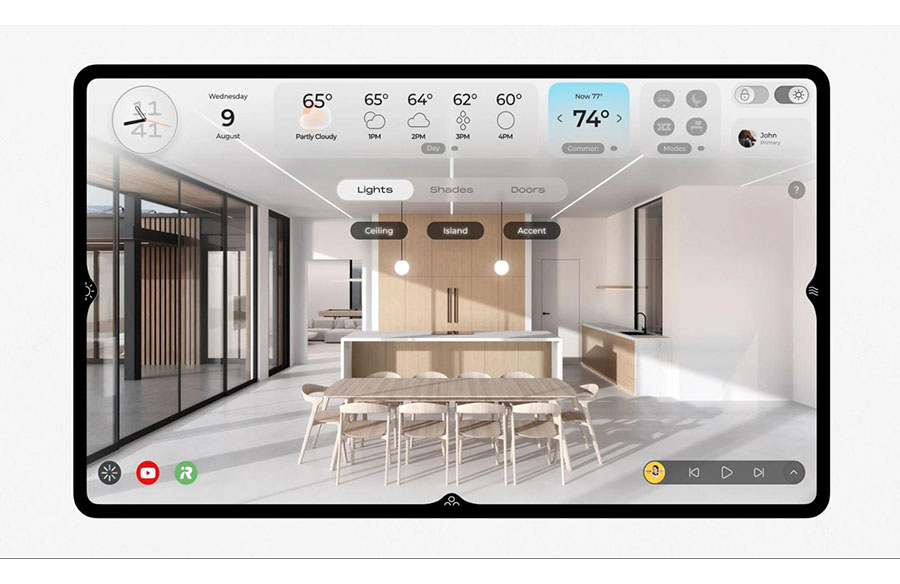
Zero OS, a smart home operating system designed by award-winning designer Michael Cherkashin, whose user interface innovation introduces new frontiers of smart home technology.
Project Name: Zero Home
Credits: Michael Cherkashin
Location: Oakhurst, CA
Date of Completion: September 2023
The smart home industry has long grappled with a fundamental tension: how to integrate advanced technology into living spaces without compromising aesthetics or usability. Traditional smart home interfaces, whether fragmented physical switches, clunky apps, or voice assistants, often feel like afterthoughts, bolted onto homes rather than woven into their fabric. These systems frequently disrupt the visual harmony of modern interiors and struggle to keep pace with the dynamic, real-time changes of a living environment.
Zero OS on the contrary powers a 15-inch wall-integrated touchscreen that serves as the central nervous system of the home. Unlike conventional smart home displays that mimic the button-heavy dashboards of yesteryear, Zero OS leverages Unreal Engine’s rendering capabilities and advanced sensor technology to create a visually immersive experience. The interface reflects real-time conditions, such as lighting, door positions, and even furniture arrangements, allowing users to monitor and control their environment efficiently. The system’s hard-wired, low-latency performance enhances usability, addressing a common limitation in existing smart home technologies. This approach showcases creativity in working within technological constraints while pushing boundaries and enhancing user experience.
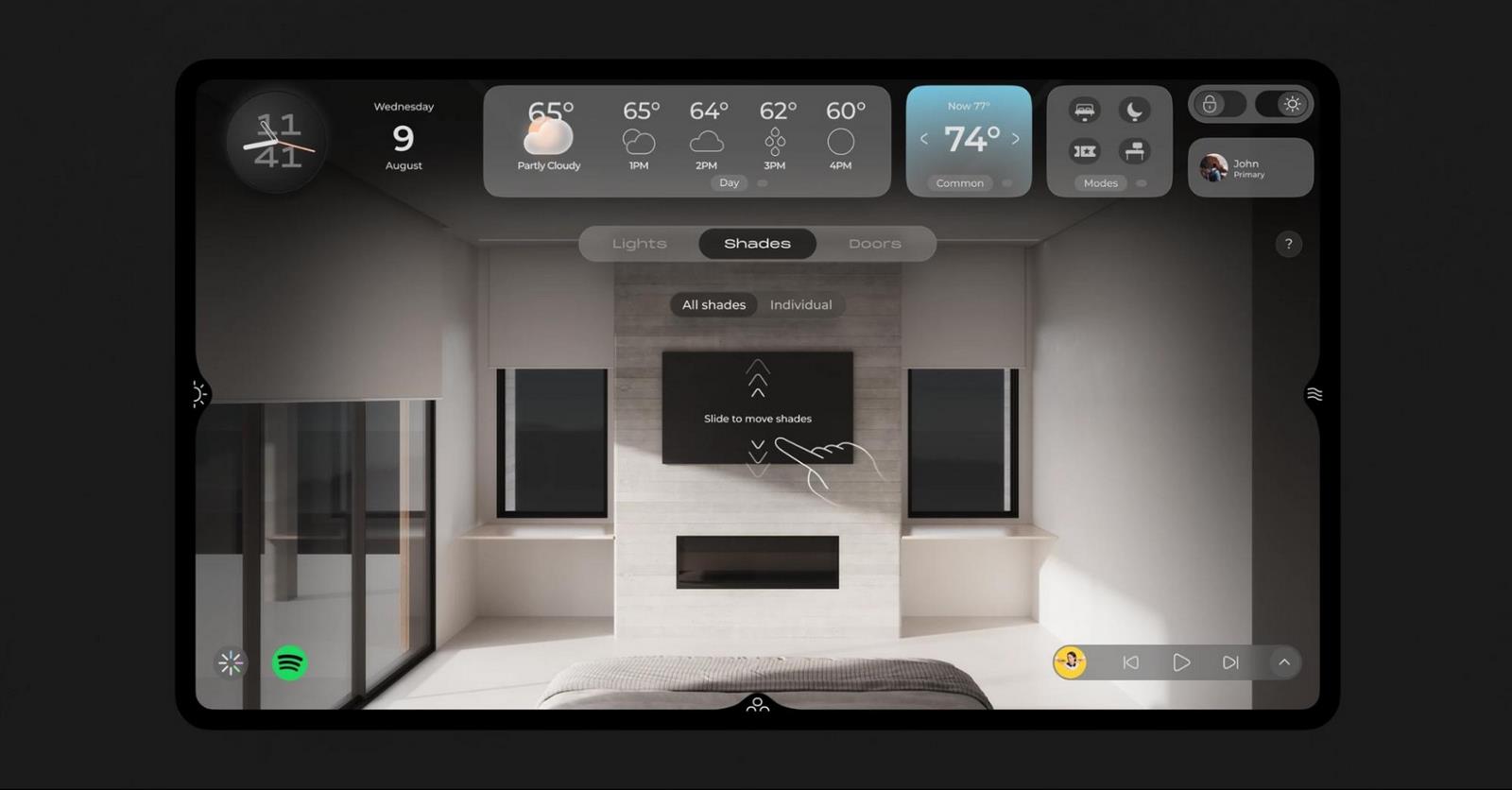 A key feature of Zero OS is its unique interface, Zero Glass, which prioritizes functional clarity and minimalism. Cherkashin, leveraging his expertise in visual design and user experience, developed a gesture-based interface that eliminates traditional controls like buttons or sliders. Users interact through swipes, guided by a context-aware display that adjusts its color palette based on ambient light, blending with the home’s aesthetic. This approach reflects principles of graphic design, such as visual hierarchy and user-centered design practices, ensuring the interface is both functional and visually cohesive with the home’s interior.
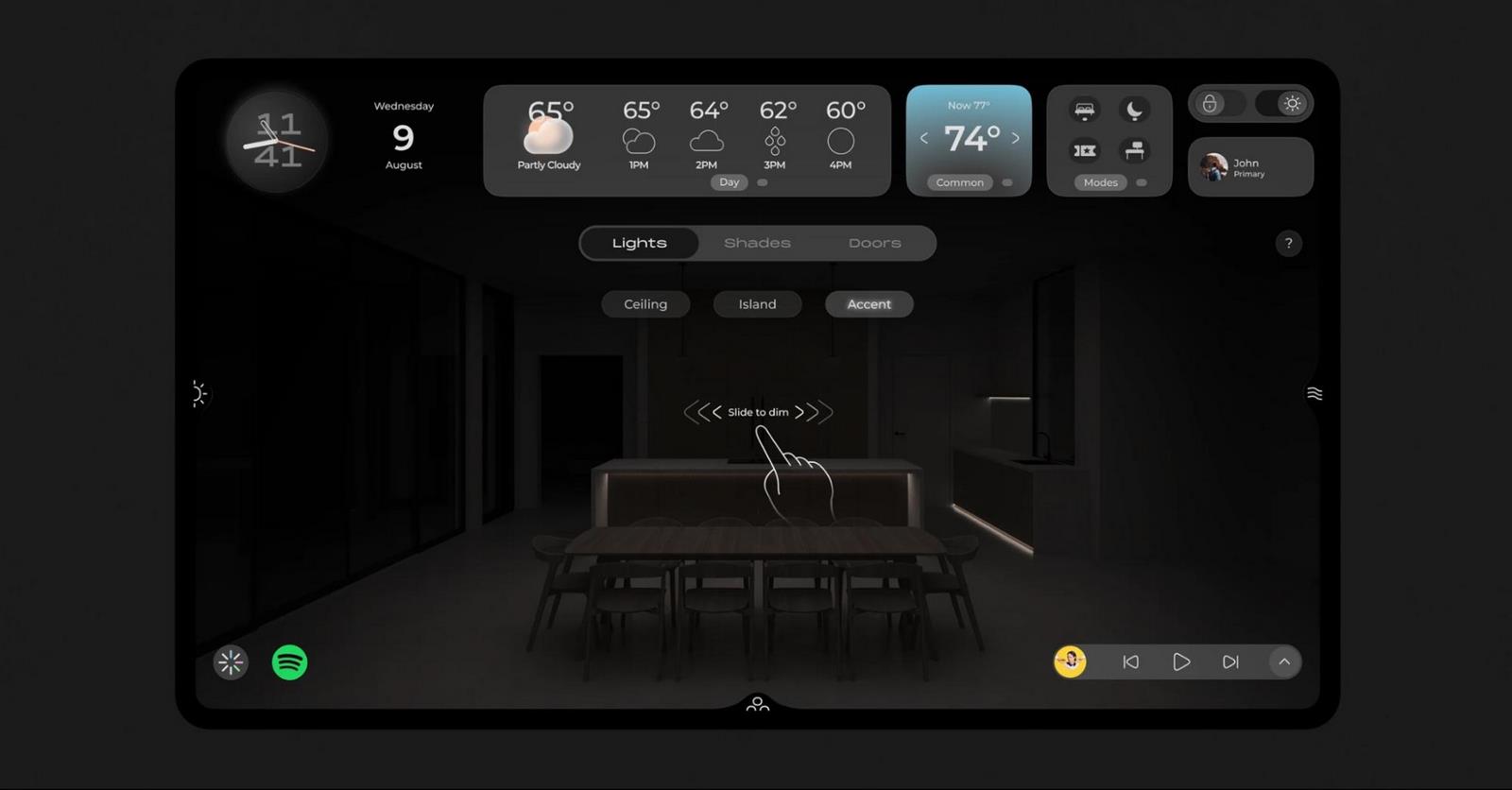 Cherkashin’s design for Zero OS addresses a critical need in smart home technology: the need for systems that are not only functional but also contextually aware and aesthetically cohesive. By integrating real-time environmental data and leveraging Unreal Engine’s graphical prowess, Zero OS emphasizes immersion and real-time responsiveness, pushing the boundaries of conventional smart homes. The system’s ability to react seamlessly to residents’ behavior, such as adjusting lighting based on external weather conditions or updating the virtual model as furniture is rearranged, offers a glimpse into the future of living.
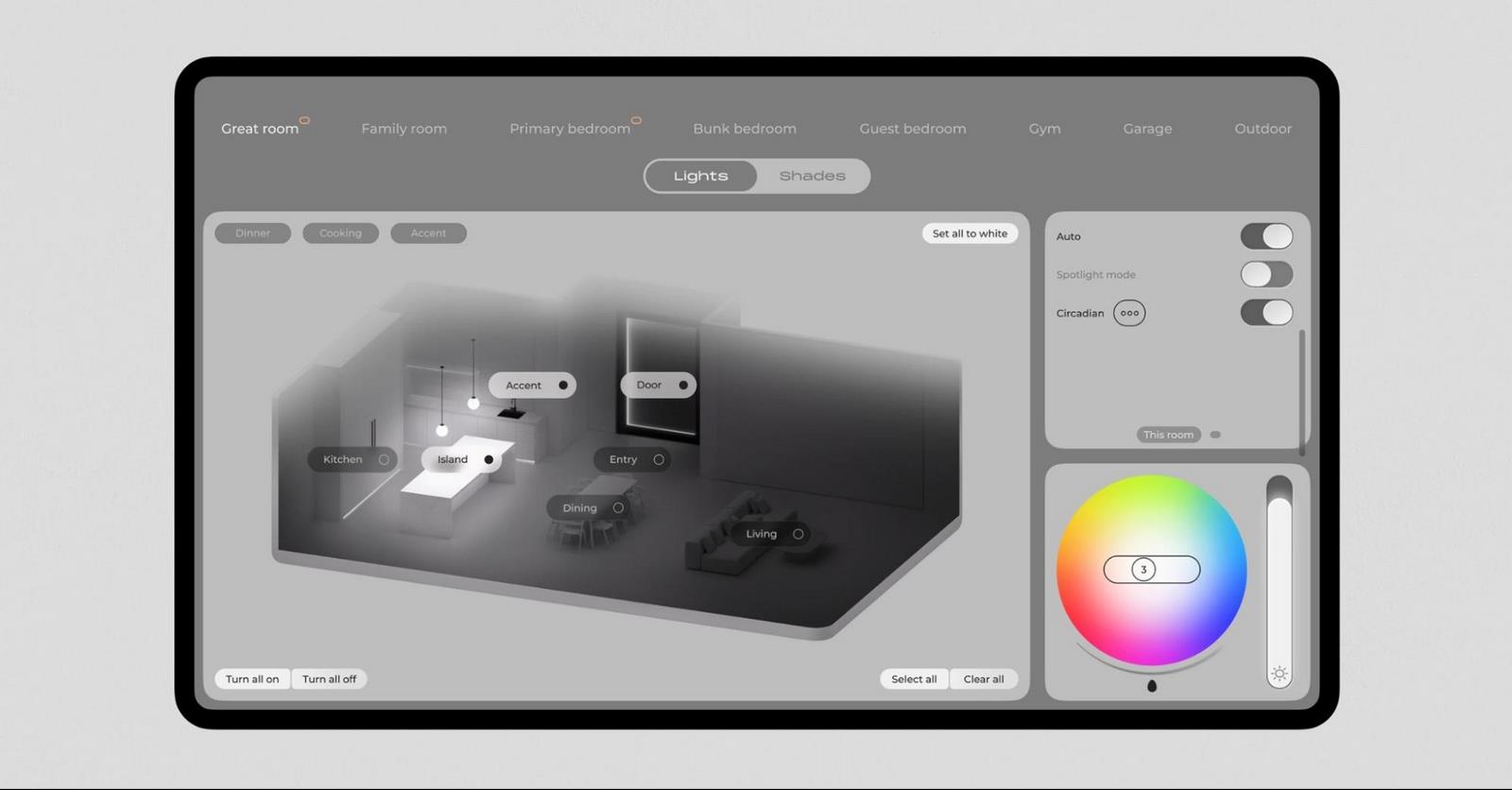 The Zero Home, a net-zero energy residence, serves as a proof of concept for Cherkashin’s visionary approach. Its architecture and systems are designed holistically, with Zero OS as the linchpin that ties together hardware, software, and aesthetics. This integrated approach contrasts sharply with the fragmented ecosystem of most smart home solutions, where devices from different manufacturers often struggle to communicate effectively. Cherkashin’s work introduces an emerging trend toward a unified and responsive human-machine interface (HMI) design that synchronizes advanced hardware, 3D rendering, and predictiveAI models.
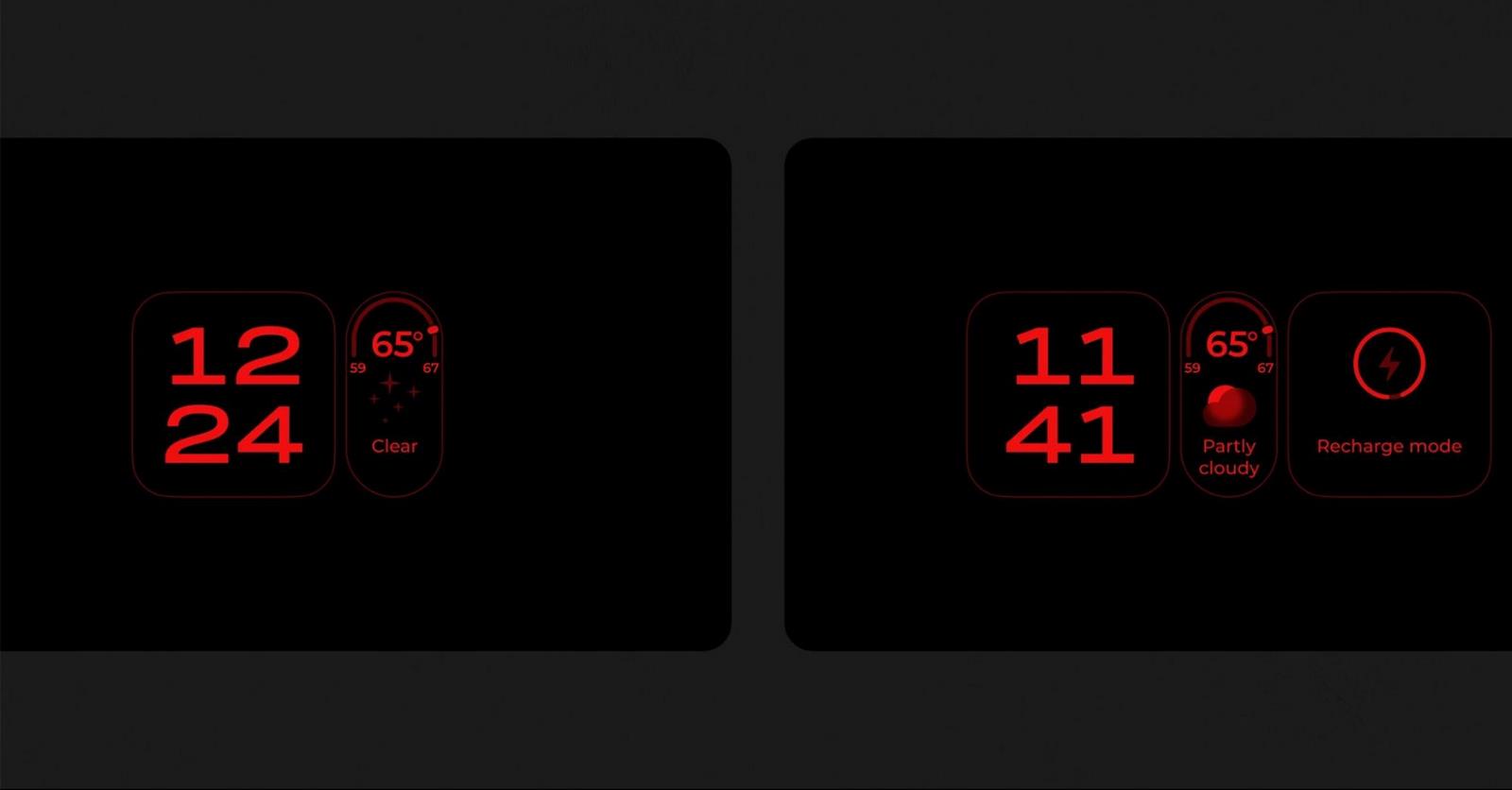 Critics might argue that Zero OS, with its high-tech underpinnings and sleek design, risks prioritizing form over function. Yet Cherkashin’s distinguished track record, marked by international awards like the FWA, Awwwards and CSSDA, and collaborations with high-profile clients, lends credibility to his ability to balance aesthetics with practicality. With Zero OS, the emphasis on gesture control and real-time synchronization reflects a thoughtful response to the limitations of traditional smart home interfaces, which often demand excessive attention from users or fail to integrate seamlessly with the home’s physical space. This design approach considers both technical functionality and user experience, contributing to ongoing conversations around technology’s role in domestic environments.
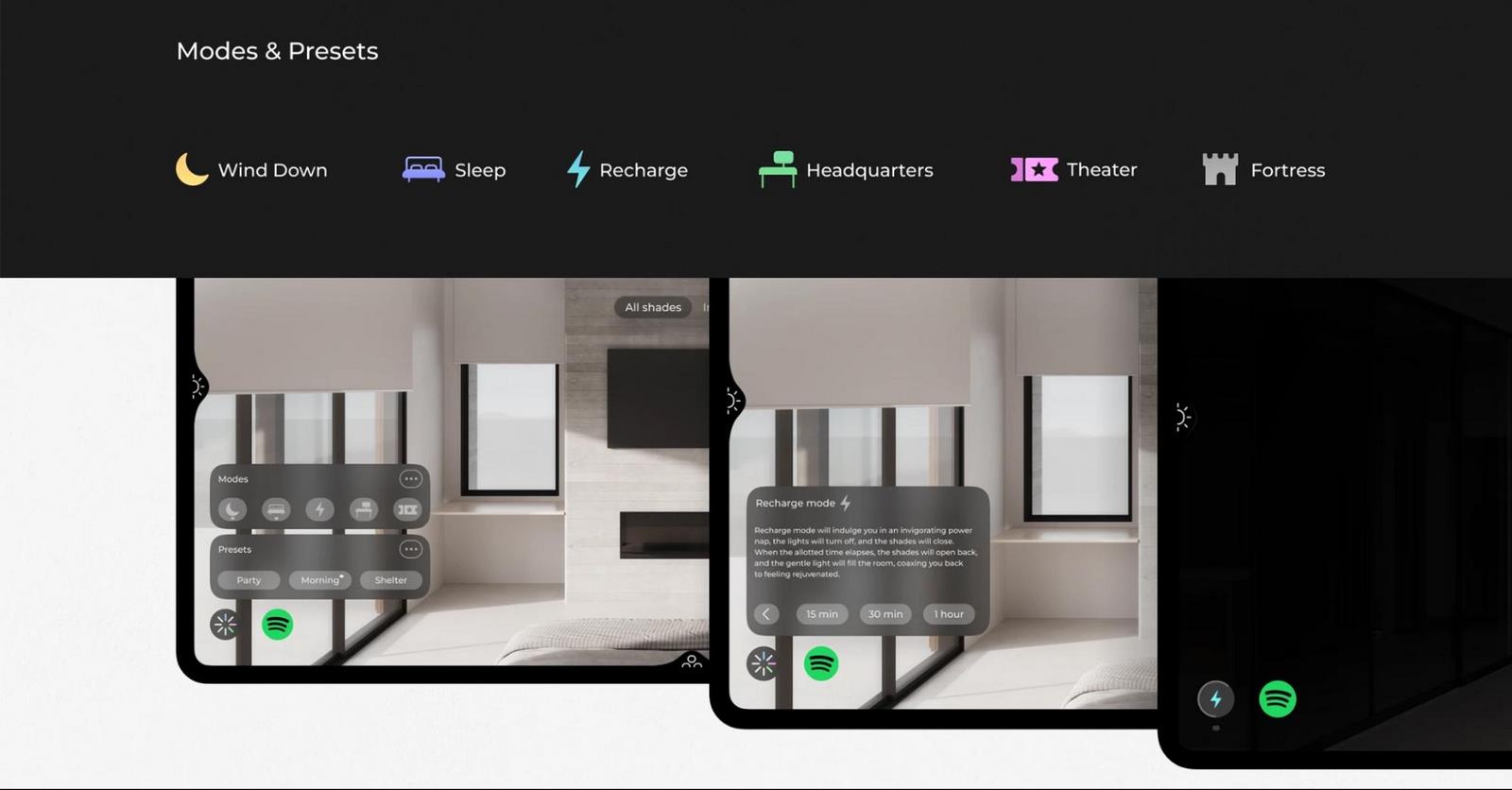 While Zero OS is currently being implemented in high-end residences, its innovations highlight the potential for broader applications as production costs decrease. Cherkashin’s contributions demonstrate a notable advancement in smart home design, combining technical precision with aesthetic sensitivity. If this trajectory continues, the seamless, intuitive living spaces introduced by Zero OS could become the standard, with Cherkashin’s vision transforming how we interact with our homes, mirroring the technological convergence already seen in industries like mobile phones and automotive.
Alexandra Pierce
Alexandra Pierce is a technology and design journalist specializing in smart home innovations, human-machine interface design, and immersive digital environments. With over a decade of experience covering emerging tech trends, she explores how cutting-edge design can seamlessly integrate with everyday living spaces.







