The construction industry is undergoing a major transformation due to rising costs across the board. From raw materials to labor and logistics, nearly every aspect of building new structures—residential or commercial—has seen a surge in pricing. These cost increases are not merely statistical bumps; they are shifting the landscape of consumer decision-making, pushing individuals and families to rethink what, where, and how they buy or build. The ripple effects of these escalating costs are being felt throughout the housing market, architectural design preferences, financing strategies, and even cultural attitudes toward homeownership and lifestyle flexibility.
This article explores the multidimensional impact of rising construction costs on consumer choices, diving into the financial, psychological, and practical adjustments buyers are making in response to a changing economic environment.
Rising Appeal of Alternative Housing Solutions
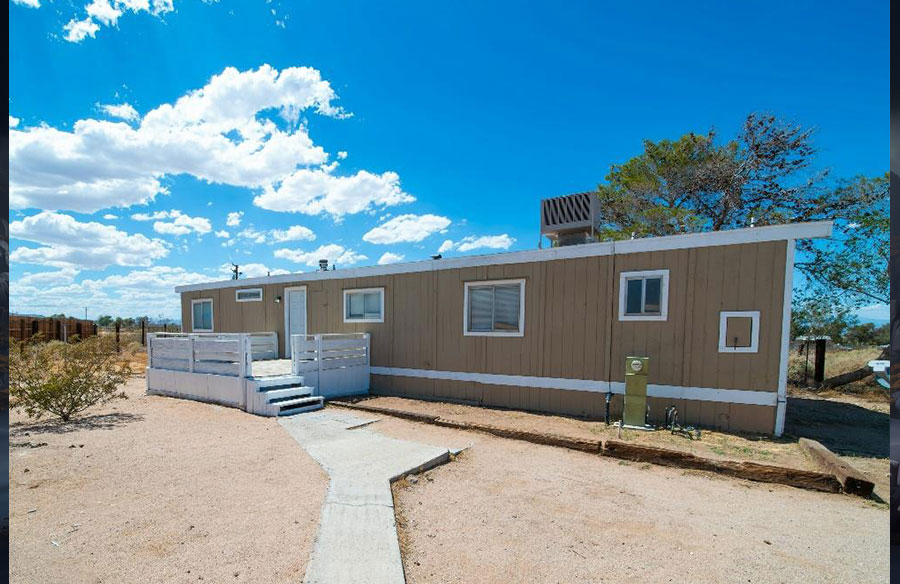
With construction costs at historic highs, many consumers are moving away from traditional homeownership models and exploring more practical, affordable options. One such alternative that continues to gain momentum is the mobile home. Once viewed as a compromise, it’s now a deliberate choice for a growing segment of buyers who value efficiency, independence, and cost control.
Modern mobile homes are nothing like their predecessors. They’re better built, more durable, and offer comfortable living spaces that meet the expectations of a wide range of people—from retirees looking to downsize to younger buyers trying to enter the market without taking on overwhelming debt. The lower upfront investment and quicker setup time make mobile homes a particularly attractive solution in today’s economy.
To support this shift, financing has also become more inclusive. You can now find institutions offering loans and lenders for mobile homes specifically aimed at buyers priced out of conventional construction. These financial services are making ownership more attainable, especially for those trying to avoid the rising costs, delays, and complexities tied to building from the ground up.
Supply Chain Disruptions and Material Inflation
A significant driver of construction cost increases is the disruption in global supply chains. The pandemic-induced shutdowns, geopolitical tensions, and trade restrictions have resulted in extended delivery times and inflated prices for critical materials like lumber, steel, cement, and insulation.
In previous decades, contractors and developers could rely on relatively stable material prices, allowing them to forecast budgets with accuracy. However, today’s market conditions are far more volatile. Lumber, for example, has seen prices fluctuate dramatically, reaching peaks that make large-scale residential projects financially unsustainable for many developers.
Labor Shortages and Wage Escalation
The construction sector is also grappling with a significant labor shortage. Skilled tradespeople—plumbers, electricians, masons, and carpenters—are in increasingly short supply. This scarcity is driving wages higher and project timelines longer, both of which contribute directly to overall construction costs.
For consumers, this means longer waiting periods for completed homes and greater uncertainty during the building process. Many are being forced to reconsider custom builds in favor of semi-custom or pre-fabricated housing options, which can be delivered and assembled in a fraction of the time.
Financing Challenges and Interest Rate Pressures
Rising construction costs are also intersecting with a more restrictive lending environment. Higher interest rates have made mortgage financing less affordable, reducing purchasing power for many potential homeowners. When combined with soaring construction and materials costs, the result is a pronounced affordability squeeze.
In the past, buyers could secure financing for expansive, feature-rich properties and remain within their financial comfort zone. Today, however, they are often forced to prioritize either size or quality, rarely both.
Design Optimization and Material Innovation
One of the more encouraging outcomes of rising construction costs is a renewed focus on design optimization. Architects, developers, and manufacturers are now emphasizing efficiency, sustainability, and space maximization in their blueprints. This has led to the rise of smart design—open floor plans, multi-functional rooms, and minimal wasted space.
Materials innovation is also on the rise, with an emphasis on alternatives that are more cost-effective and sustainable. Engineered wood products, recycled metal, and composite panels are being used more frequently in place of traditional materials.
Urban Flight and the Suburban Surge
As construction costs rise, so too do prices for homes in urban centers, where land is scarce and labor costs are often higher. This has led to a noticeable trend: consumers are moving away from city centers in favor of suburban or even rural areas, where land is more abundant and development costs are comparatively lower.
This suburban surge is not simply a retreat from urban expense; it is part of a broader reconsideration of lifestyle priorities. Many buyers are looking for more space, quieter neighborhoods, and better access to nature, especially in a post-pandemic world where remote work has become the norm.
Delay Culture: Consumers Becoming Strategic Waiters
One of the less visible but significant impacts of rising construction costs is the emergence of “delay culture” among consumers. Potential buyers are increasingly choosing to wait, postponing purchases or builds until market conditions improve. This strategic patience is not without consequence. While waiting can help consumers save more or avoid a volatile market, it also prolongs housing insecurity and disrupts the momentum of the real estate sector.
Some consumers are choosing to invest in temporary living solutions, such as renting longer than anticipated or moving in with relatives, while they monitor market trends. Others are shifting focus entirely, investing in smaller properties or land parcels with the intention of building later.
Cultural Reframing of Homeownership
Finally, rising construction costs are helping reshape how people view homeownership itself. For decades, owning a home was considered a fundamental milestone—an indicator of success and stability. While that cultural narrative persists, it is being questioned by younger generations who are increasingly priced out of the market or disillusioned by the associated financial burden.
For many, the dream has evolved from a large, detached house with a backyard to a simpler, more manageable lifestyle that prioritizes flexibility, experience, and affordability. Renting, co-living, and long-term leasing arrangements are becoming more acceptable and even desirable.
As construction costs continue to rise, they are forcing a realignment in the housing market and consumer behavior. The traditional path to homeownership is being reconsidered, reimagined, and in many cases, redirected toward options that would have once been dismissed or overlooked.