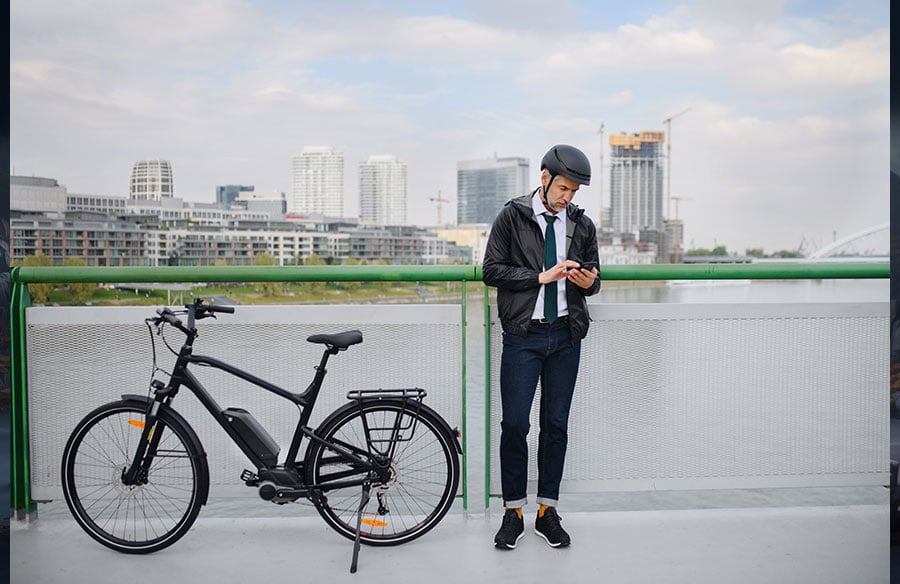
In recent years, electric bikes—commonly known as e‑bikes—have moved from niche gadget to mainstream commuting option. Cities worldwide are seeing a surge in riders who have swapped crowded buses, traffic jams, or sedentary car commutes for the fresh air and convenience of pedal‑assisted travel.
E-bikes are not just eco-friendly, they’re also extremely affordable. While car prices are skyrocketing, you can easily get lots of good electric bikes under $500. As urban populations grow and environmental concerns mount, e‑bikes may well be positioned as a central pillar of the future commute.
The Rise of E‑Bikes
E‑bikes blend the simplicity of a traditional bicycle with the power of an electric motor, providing pedal assistance that makes hills feel flatter and distances feel shorter. Initially popular among cycling enthusiasts and early adopters, they have gained traction across all demographics—students, professionals, retirees, and even last‑mile delivery couriers.
Market research reflects this trend: global e‑bike sales have been climbing sharply, driven by advances in battery technology, government incentives for clean transportation, and a growing awareness of climate change. In cities like Amsterdam, Berlin, and Portland, e‑bike use is outpacing traditional bicycle adoption, signaling a cultural shift toward motor‑assisted mobility.
Efficiency and Speed in Urban Environments
One of the strongest arguments for e‑bikes as the future of commuting is efficiency. In congested urban areas, cars often crawl at an average speed of less than 15 mph during rush hour. E‑bikes, however, can cruise comfortably at 20 to 28 mph (depending on local regulations), bypassing traffic via bike lanes and shared‑use paths.
For commuters traveling between 3 and 10 miles, e‑bikes often prove faster than both cars and public transport, especially when factoring in parking time and schedule delays. Many modern e‑bikes have a range of 40–80 miles on a single charge, making them practical for even longer suburban commutes.
A Healthier, More Active Lifestyle
While e‑bikes reduce the physical strain of cycling, they still require pedaling, which means riders get regular, low‑impact exercise. For many people, especially those who are not accustomed to cycling or have physical limitations, e‑bikes open the door to a more active lifestyle.
Studies show that e‑bike riders tend to cycle more frequently and cover greater distances than traditional cyclists. The electric assist encourages people to ride on days they might otherwise skip due to fatigue, hot weather, or challenging terrain.
Environmental Benefits
Transportation is one of the largest sources of greenhouse gas emissions. Replacing short car trips with e‑bike rides significantly reduces an individual’s carbon footprint. Unlike cars, e‑bikes produce zero tailpipe emissions and consume far less energy than even electric cars. Charging an e‑bike battery typically costs only a few cents and can be powered entirely by renewable energy sources if available.
The environmental case becomes even stronger when factoring in the lower resource footprint of manufacturing an e‑bike compared to a car. E‑bikes require fewer materials, less energy to produce, and generate less waste over their lifespan.
Economic Advantages for Commuters
Owning and maintaining a car can cost thousands of dollars annually, with expenses including fuel, insurance, maintenance, parking, and registration fees. In contrast, e‑bikes have far lower operating costs. Even premium models with high‑capacity batteries and advanced features typically cost less than a year’s worth of car expenses.
Many employers and cities now offer incentives for cycling commuters, from tax breaks to free parking and on‑site charging stations. Combined with the minimal maintenance requirements of e‑bikes—especially hub‑motor models with internal gearing—this makes them a highly cost‑effective transportation choice.
The Role of Infrastructure and Policy
For e‑bikes to truly become the dominant form of commuting, supportive infrastructure is essential. This includes protected bike lanes, secure parking facilities, and widespread charging stations. Cities that invest in cycling infrastructure see a rapid increase in e‑bike adoption, as safety and convenience are major factors in commuter decision‑making.
Policy also plays a role. Some countries classify e‑bikes under standard bicycle laws, allowing them to use bike lanes without special licensing, while others impose speed or power limits. Subsidies, purchase incentives, and integration with public transit networks can further accelerate adoption.
Challenges and Considerations
Despite their advantages, e‑bikes are not without challenges. Initial purchase cost can be a barrier, especially for high‑quality models with long‑range batteries. Theft is another concern, as e‑bikes are attractive targets for criminals; proper locking systems and secure storage are essential.
There are also questions about sharing infrastructure with traditional cyclists and pedestrians, as the higher speeds of e‑bikes can lead to safety conflicts if not properly managed. Education and updated traffic regulations will be key to integrating e‑bikes smoothly into urban mobility systems.
Integration with the Broader Transportation Ecosystem
E‑bikes are not likely to replace every mode of transportation, but they can seamlessly complement buses, trains, and subways. Many commuters already use e‑bikes for the “first and last mile” of their journey—riding from home to a train station, for example. Folding e‑bike designs make this integration even easier, allowing riders to bring their bikes onto public transport without taking up much space.
As technology advances, we may see smart e‑bike systems integrated with real‑time transit apps, dynamic route planning, and even bike‑share networks that feature electric models.
Looking Ahead
With battery technology improving, costs coming down, and cities prioritizing sustainable mobility, e‑bikes are well‑positioned to dominate short‑ and medium‑distance commuting. They address the key pain points of urban travel: congestion, cost, and environmental impact—while offering the added benefits of health, convenience, and fun.
If current trends continue, the daily commute of the future may be defined not by the rumble of engines in traffic jams, but by the quiet hum of electric assist motors zipping along dedicated bike lanes. The shift won’t happen overnight, but for millions of people, the e‑bike revolution has already begun.