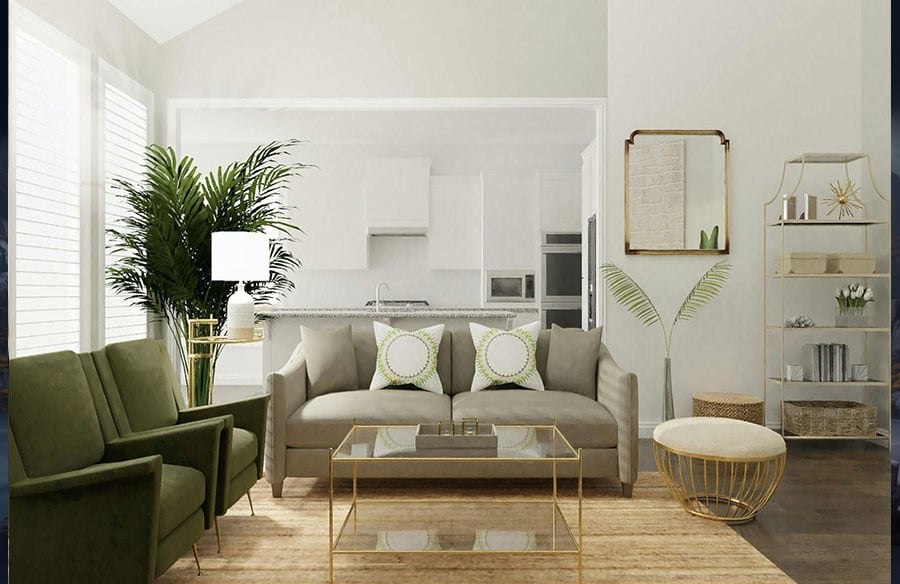
Reimagining the Home as a Responsive Environment
Our homes are not passive spaces—they actively shape our behaviors, emotions, and interactions. The way a room is set up really matters. Even the wall textures and colors affect your mood and how you live there. When design is approached thoughtfully, with intention and awareness, it transforms the home into more than a structure. This truly shapes our daily routines, influences our moods, and helps us grow as people.
Good design doesn’t just look nice. It crafts spaces that truly fit how people live and feel inside them. You’ll find your daily tasks feel much easier. It also helps you connect more deeply with your surroundings and truly expresses the person you’re becoming.
The Psychology of Space and Daily Interaction
We intuitively respond to space. A cluttered hallway can create tension. A soft-lit corner can ease anxiety. Whether or not we’re conscious of it, design speaks directly to our nervous system. The shape of a room, the direction of natural light, or the height of a ceiling—each of these elements influences how we behave and feel.
Thoughtful design anticipates this interaction. For example, a calming bedroom isn’t only about neutral tones; it’s about acoustics, texture, and furniture placement that invite rest. A kitchen designed for both function and visibility can transform cooking from a solo task into a family ritual. In every case, it’s not just the space that changes—it’s how we engage with it.
The Influence of Marketing on Our Design Preferences
Much of what we consider “good design” is shaped long before we enter a homeware store or meet with a designer. The aesthetics and lifestyles marketed to us—through ads, digital content, influencer homes, and retail staging—have a significant impact on what we aspire to create within our own walls.
Marketing crafts a vision. It distills trends into digestible, visual narratives that subtly become reference points for how we believe a home should look or feel. Over time, these curated ideals start to influence everything from the colour palette we choose to the way we organize our spaces.
Design, in this sense, becomes both a personal and a cultural expression. While a well-designed home reflects who we are, it also reveals the broader narratives that have shaped our tastes, priorities, and perception of comfort.
These narratives are not shaped in isolation. Increasingly, they are the result of overlapping influences from different media platforms and digital campaigns that subtly direct attention toward certain aesthetics and lifestyles. Whether we consciously notice it or not, the repetition of visual themes across digital channels can reinforce what we believe is desirable or aspirational in a living space. If you’re wondering how digital blueprints actually redefine customer interaction and operational efficiency in this changing world, read this article.
Functionality as the Foundation of Beauty
A beautiful space loses its value if it doesn’t support real life. Thoughtful design begins with understanding how a space is used—and by whom. It’s about asking the right questions: How do we move through the space each day? What feels intuitive? What disrupts flow?
Rooms that accommodate natural movement patterns, make use of vertical space, or shift with evolving needs foster a sense of calm and control. Built-in storage, modular furniture, and zoning are more than practical solutions—they are design strategies that honour lifestyle and reduce friction.
Function and aesthetics are not separate concerns; in a well-designed home, they are one and the same.
Design That Invites Emotion and Memory
Our homes carry emotional weight. They hold our stories, routines, and quiet moments. Thoughtful design acknowledges that a space is not just for living—it’s for feeling.
Textures that invite touch, lighting that echoes the rhythm of the day, and displays that showcase memories all help create an emotional bond with a home. These elements may seem small in isolation, but together they produce a sense of belonging. They turn a physical space into an emotional sanctuary.
This approach also respects continuity. Renovating a long-held family home, for example, may involve preserving original features while gently updating function—maintaining a thread between past and present.
Minimalism as a Response to Overload
As daily life becomes increasingly saturated with information and obligations, minimalism offers a design philosophy rooted in clarity. Stripping a space back to its essentials is not about deprivation but about creating room to breathe, think, and be present.
Intentional design prioritizes what is truly necessary and meaningful. A minimalist space can amplify the significance of what remains—inviting reflection, calm, and a greater awareness of one’s surroundings. It encourages us to live with purpose, choosing quality and resonance over quantity.
Adapting Design to Life’s Transitions
Design should evolve with us. A young couple starting a family, a professional shifting to remote work, or an individual entering retirement will each experience their home differently. Spaces must remain flexible—able to accommodate the changes life inevitably brings.
This requires foresight in design: layouts that can be reconfigured, rooms that can serve dual purposes, and elements that adapt over time. The ability to transform a guest room into a nursery, a dining space into a home office, or a backyard into a sanctuary is what makes a home truly livable.
Sustainable Choices for Conscious Living
More homeowners are recognizing that sustainable design is not just an environmental imperative—it’s a lifestyle one. Choosing long-lasting materials, reducing energy use, and minimizing waste is not only responsible, but deeply satisfying. It reflects an investment in longevity, ethics, and intentional living.
Design becomes sustainable not only in what it uses, but in how it feels. A home built to last is a home that remains relevant, comfortable, and inspiring for years to come.
Conclusion: Designing Spaces That Support the Way We Live
Thoughtful design is a practice of awareness—of how space shapes us, and how we in turn shape space. It’s about creating homes that do more than serve a function; they reflect who we are and support who we’re becoming.
As we continue to interact with a world that blurs the boundaries between physical and digital influence, our homes remain deeply personal. They are our anchors. When designed with intention, they become not just places we inhabit—but environments that truly support how we live, feel, and connect.