

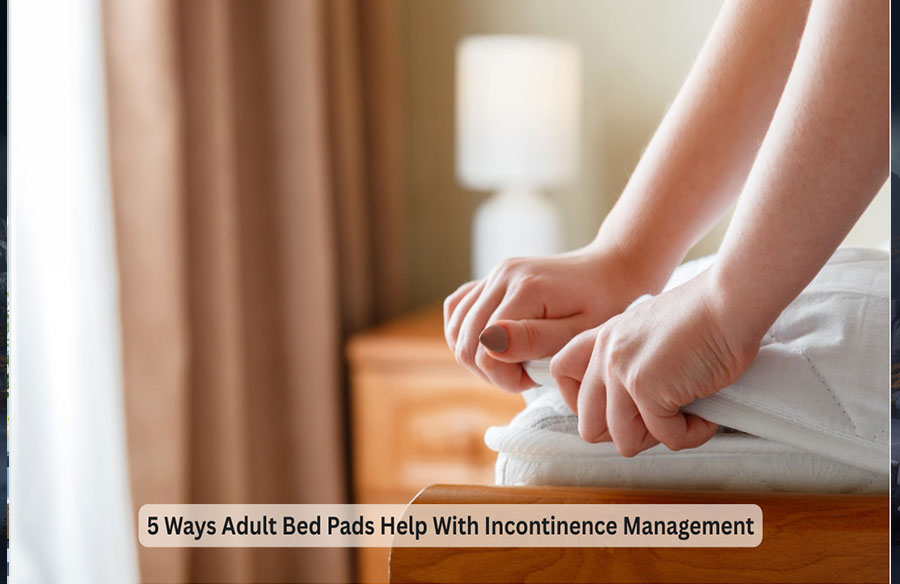
A restful night’s sleep is something many people take for granted—until it’s no longer within reach. As we age, minor health concerns can snowball into sleep disturbances, discomfort, and even emotional stress. Incontinence is one such concern that doesn’t just affect the body but often weighs heavily on a person’s confidence, lifestyle, and independence.
While often associated with seniors, incontinence can impact adults of all ages. It can be triggered by various medical conditions, surgeries, or even short-term illnesses. Managing it effectively requires more than just medication or behavior changes. Comfort, dignity, and hygiene all play vital roles. That’s where adult bed pads come in. They are not just a protective product, but a lifestyle-enhancing solution.
Let’s explore five practical ways adult bed pads assist in effective incontinence management.
1. Protection of Bedding and Furniture
One of the most apparent merits of adult bed pads is surface protection. These pads, whether placed on mattresses, chairs, or recliners, form a barrier between the user and the fabric beneath. When incontinence occurs, particularly during sleep, the pads efficiently absorb liquid, keeping the mattress dry and reducing the danger of stains or bacterial growth.
 Unlike plastic coverings, which can be noisy or uncomfortable, high-quality bed pads are soft, breathable, and intended to wick moisture away from the skin. This makes them appropriate for both overnight use and afternoon lounging. This layer of protection saves users and carers the burden of continuous laundry, saving stress and utility expenses.
2. Improves Skin Health
Skin inflammation can cause significant sleep disturbances. The nagging impulse to scratch itching regions may cause repeated sleep awakenings and prevent you from falling back asleep. While bed pads cannot alleviate itchiness caused by underlying dermatological disorders, they can help prevent skin irritation produced by urine discharge.
The pads are especially effective at preventing pressure sores, which are quite common among seniors experiencing urinary incontinence. Their superabsorbent layers absorb urine and quickly remove it from your skin. Bed pads also serve as an additional layer between the skin and the rest of your bedding. Eventually, this helps improve pressure distribution and reduce pressure sores.
To maximize the anti-itch qualities of bed pads, purchase those produced from hypoallergenic fibers. This is especially advised if you have sensitive skin. However, you may still consult a healthcare provider for profound advice.
3. Enhances Comfort
Most bed pads are thin but durable enough to improve the comfort of your mattress. The pads are normally soft and provide long-lasting comfort. Moreover, they are big enough to support most body parts, resulting in even weight distribution while sleeping.
 The cushioning of bed pads prevents pain caused by sleeping in the same position for extended hours. This can be especially true when the mattress is thin. However, if you require a bed pad that promotes comfort, consider selecting a quality option that supports your body weight evenly and adequately.
4. Promotes Better Sleep
Sleep is essential for both the body and mind. However, sleeping on a dirty or damp bed might be uncomfortable. If you feel moist when sleeping, you may wake up frequently; the next day, you may feel exhausted and uneasy
In essence, bed pads provide a user with extra comfort. They keep your bedding area dry, allowing you to relax uninterrupted.
Sleeping can be difficult for people with medical conditions. On the other hand, disposable bed pads allow you to relax in a dry and comfortable bed. More so, such a line of products also assists carers in avoiding changing bedding frequently, allowing their loved ones to sleep uninterrupted.
Remember, a sound sleep makes you feel better during the day, improves your mood, and gives you more energy. And this is where a bed pad can be a straightforward solution to ensure improved sleep quality.
5. Appropriate for Multiple Needs
Many people find bed pads to be really useful. Children who wet their beds use them. They keep their bedding dry, promoting anxiety-free slumber.
On the other hand, many older people experience incontinence.
In this scenario, bed pads for adults can provide night-time security. With such products, they have fewer mishaps to tend to, and carers can better manage their obligations.
Bed pads may also be required by patients recovering from illness or surgery. They require additional protection and may be confined to bed for extended periods of time. This way, bed pads can ensure a comfortable and clean sleeping environment.
How Often Can You Change Bed Pads?
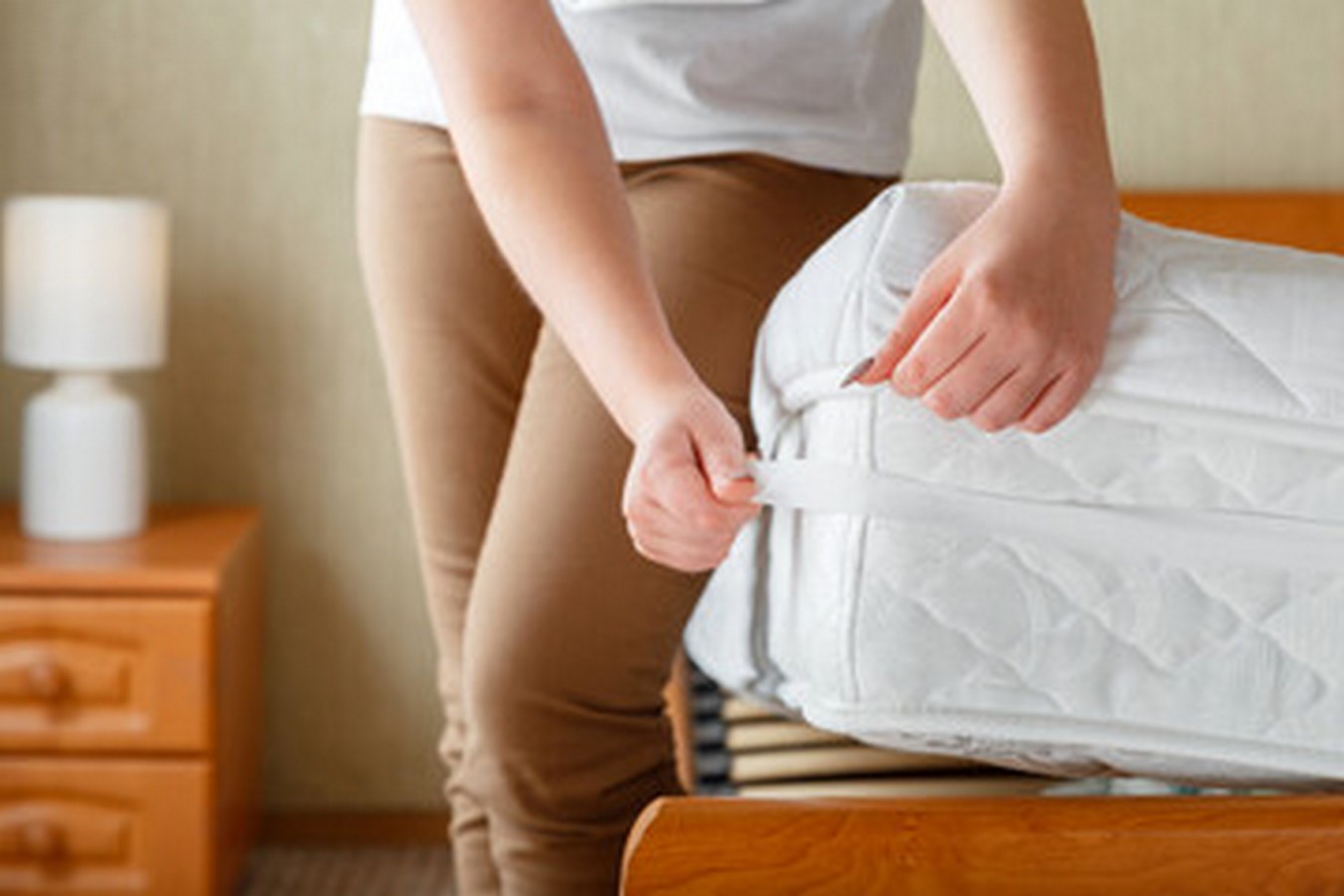
If the bed pad becomes soiled, consider replacing it immediately to prevent irritation against the skin’s barrier.
In order to observe quick results, follow these sets of rules:
- Use one to two bed pads daily to treat light to medium incontinence.
- Use two to four bed pads per day for mild incontinence.
- Use four to six bed pads daily for heavy incontinence.
The Bottom Line
Bed pads shield your mattress and other linens from moisture infiltration caused by unintentional bathroom mishaps overnight.
In a way, investing in a quality bed pad encourages comfortable sleep by reducing incontinence anxiety and skin irritation.
As more individuals embrace the concept of aging with dignity and managing health concerns at home, practical, respectful solutions such as bed pads will become increasingly vital. Whether for short-term rehabilitation or long-term care, they remain a discreet yet integral ally on the path to greater health and quality of life.







