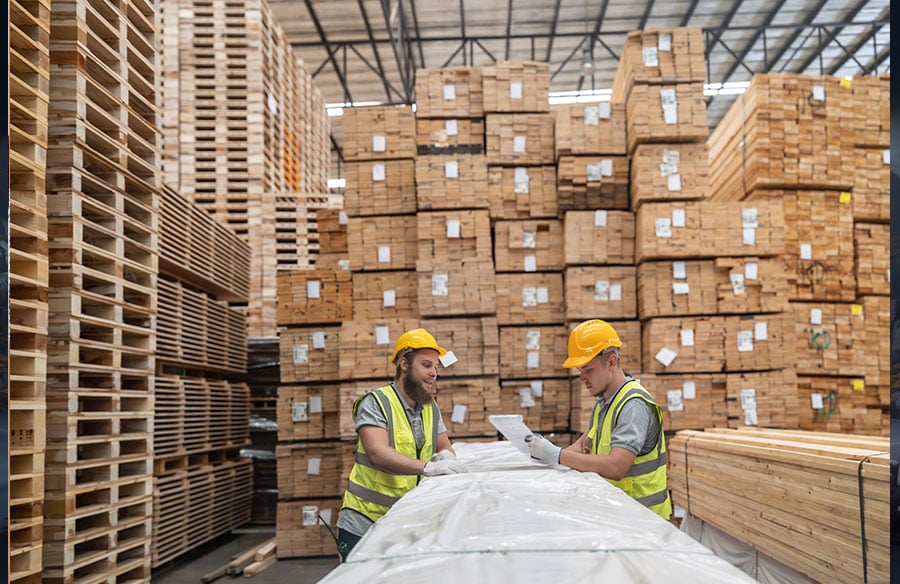
Packaging may seem insignificant in architecture, but that’s only at first glance. The connection between packaging supplies and project success becomes clear when you consider the alternative—delays, cost overruns, and quality problems that damaged materials create. A single load of bent steel beams or wet drywall can push back your project by weeks and add thousands in replacement costs. The worst part is not the money loss; it’s the reputational damage and broken client trust.
Good packaging does play an important role in construction. It creates protection that gets every piece to the job site in perfect shape, ready to do its job. So what do you need to know about packaging supplies to secure your materials? Keep reading to find out.
Common Material Damages in Construction Projects
Construction materials face many dangers from the time they leave the factory until workers install them on-site. Water is one of the worst problems. It makes lumber bend and twist, causes metal parts to rust, and ruins insulation. If materials soak up water during storage or shipping, they can’t be used anymore, causing the additional trouble of finding replacements.
Another common problem is things getting hit or dropped during transport. Heavy materials that shift during shipping can crack concrete pieces, dent metal fixtures, or break glass panels. Even small hits can weaken the structure, so you’ll have to replace everything.
Even scratches and small surface damage that look minor often make finishing materials useless. Scratched metal panels, chipped tiles, or scuffed wood can’t meet the quality standards. Again, you have to reorder materials, which creates delays and affects the whole project timeline.
The real costs go way beyond just buying new materials. Damaged items need extra work to remove and dispose of. Project schedules change to wait for new delivery dates. Storage costs go up when teams have to keep replacement materials longer than planned. Sometimes, structural parts with hidden damage create safety problems that only show up during construction.
Material damage is a real problem, and quality packaging is the best solution. That’s why industry leaders like the renowned Melbourne Packaging Supplies put reliability in the first place. They’ve seen a lot of cases when proper protection prevented expensive headaches for construction managers.
How Packaging Enhances Material Performance
Good packaging does more than stop obvious damage; it keeps the basic properties that materials need to do their jobs. Proper moisture control stops dimensional lumber from warping, making sure framing members stay straight and true throughout construction. When wood arrives with steady moisture levels and proper shape, it goes in faster and makes stronger connections.
Packaging also stops cracking and rust during storage periods that can last weeks or months on big projects. Metal parts protected from moisture and dirt keep their strength and finish quality. Concrete pieces sealed against weather keep their specified stiffness without getting weaker over time.
Building elements really benefit from packaging that keeps them looking good. Windows, doors, and decorative materials fit perfectly into building systems without the changes and fixes that damaged parts would need. This keeps original specifications intact and cuts out the time-consuming field adjustments that slow down construction.
Smart packaging also cuts down on on-site handling and sorting time. Workers can spend less time organising deliveries when materials arrive properly bundled and labelled. Clear packaging allows for quick visual checks and helps teams spot and fix any problems before they slow down construction schedules.
Choosing the Right Options: Key Packaging Supplies Used in Construction
Good packaging strategies start with matching protection methods to specific material needs, transport conditions, and site requirements. For example, fragile materials need cushioning and vibration control, and heavy structural parts need secure bundling and impact protection. Knowing the right packaging solutions helps get materials safely and not deal with costly damage. That’s what experts from Melbourne Packaging Supplies recommend:
- Pallet wrap and shrink film for protecting bulk materials. Plastic films hold multiple items together securely, stopping individual pieces from moving during transport. When the bundles stay lined up properly, they arrive without dents, scratches, and stress from movement. The tight seal also keeps moisture away from materials.
- Edge protectors and corner boards are essential for glass panels, metal sheets, and drywall. They all need these hard protective pieces to spread impact force over bigger areas. Edge protectors are really important for building glass because they don’t let sharp hits focus on one spot and prevent irreparable damage.
- Foam and bubble wrap cushion delicate finishes, tiles, and fixtures. These packaging materials soak up shock and vibration during transport to protect fragile surfaces of decorative pieces and precision-made parts.
- Strapping and banding systems guarantee bundles stay together during forklift or crane transport. Steel or plastic strapping holds construction materials in place even under rough handling.
- Moisture barriers and desiccants protect against humidity and water damage. Vapour barriers stop moisture from getting in, while desiccant packets actively soak up humidity from closed spaces. Melbourne Packaging Supplies always recommends these systems for engineered lumber, insulation, and metal parts that can rust easily.
Last Tips for Project Managers
Packaging plays a key role in keeping construction materials safe throughout their trip from manufacturer to final installation. The money spent on appropriate packaging supplies pays off through less waste, fewer delays, and higher-quality finished construction. That’s why construction managers and architects should treat packaging as an important part of the construction system.
They should work closely with packaging supplies companies to set up protection standards that meet project needs. This teamwork helps determine appropriate protection levels without over-packaging that adds unnecessary costs.
Budget and schedule planning also must include packaging considerations from the project’s earliest stages. Good packaging costs less than replacing damaged materials, but these expenses need realistic budget space. Plus, schedules should include time for proper packaging and handling procedures to avoid rushing deliveries that increase damage risk.
Just as structural engineering ensures building stability and mechanical systems provide comfort, proper packaging ensures the project stays on schedule and on budget. That’s a valuable aspect in an industry where profits are tight and schedules are demanding.