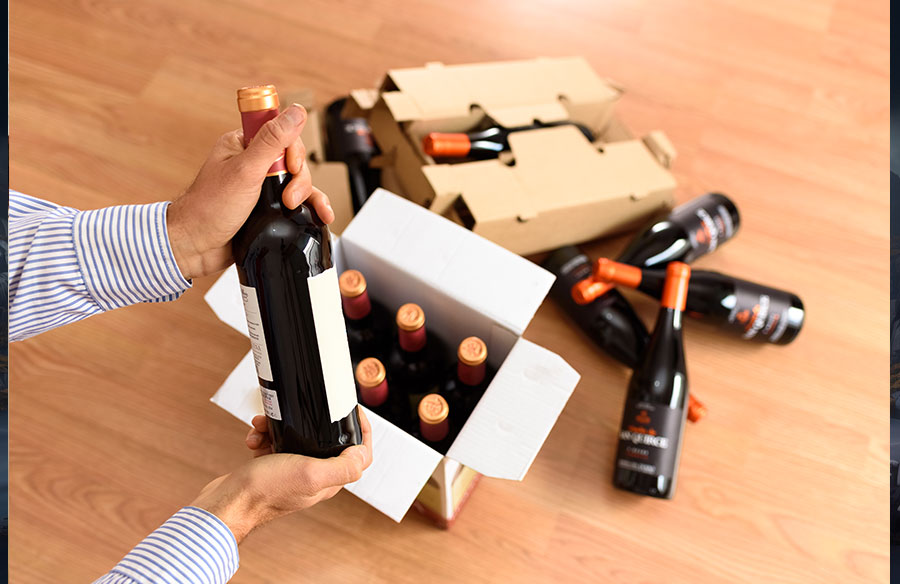
Moving can be stressful enough, but when you’re a wine collector, transporting wine safely during a relocation brings an entirely new level of complexity. Wine is a delicate item, sensitive to temperature, humidity, and even subtle movements. Whether you’re moving across the city or cross-country, preserving the integrity of your collection should be a top priority.
In this guide, we’ll walk you through how to move wine bottles, whether you’re handling a few cases or managing an extensive wine cellar. We’ll also answer common questions like can movers move alcohol and when to hire wine cellar movers.
Understand the Value and Fragility of Wine
Before you even start packing, it’s important to recognize that wine is more than just another item in your home—it’s a living product. Whether you collect vintage Bordeaux or newer Napa Valley releases, your wine can be negatively affected by temperature swings, sunlight, and vibrations.
This makes transporting wine uniquely challenging. A wine bottle’s integrity can be compromised during long or bumpy moves if it’s not packed and moved correctly.
If your collection includes rare or expensive bottles, it’s essential to treat them as fragile assets—and that begins with planning.
Take Inventory and Appraise Your Collection
One of the first steps in how to move wine bottles safely is to catalog your entire collection. Create a detailed inventory that includes:
- Bottle names and vintages
- Quantity
- Market value
- Special storage instructions
If your collection is especially valuable, consider hiring a professional wine appraiser. This will not only help you track losses (if any occur) but also ensure proper insurance coverage.
Some insurance providers require appraisals before offering protection, so this step is vital for safeguarding your investment.
Know the Law: Can Movers Move Alcohol?
A common question is can movers move alcohol, and the answer depends on the destination. Laws regarding the transport of alcohol vary between states and countries. For example, moving wine into some U.S. states may require permits, while others may limit the amount you can bring without registering it.
Before you move:
- Research state or country regulations about moving alcohol
- Notify your moving company of your intent to transport wine
- Check with your insurance provider for coverage options
Not all movers are equipped to handle alcohol transportation legally or safely. If they are not, you’ll want to explore alternative options like specialized wine movers.
Hire Professional Wine Cellar Movers
Hiring professionals who specialize in moving wine can be the difference between a successful relocation and a costly disaster. Wine cellar movers are trained in temperature-sensitive logistics and use custom equipment to secure your bottles during transit.
Here’s what professional wine movers usually offer:
- Climate-controlled transportation
- Custom wine crates or boxes
- Expert packing and handling
- Inventory tracking
- Real-time monitoring
These services are particularly valuable when you’re transporting wine collections valued at tens of thousands of dollars or more.
Choose the Right Packing Materials
If you’re transporting a smaller wine collection yourself, knowing how to move wine bottles using proper packing materials is key. Avoid basic moving boxes and instead opt for wine-specific containers.
Recommended materials include:
- Styrofoam wine shipping boxes
- Molded pulp wine shippers
- Double-walled cardboard boxes
- Bubble wrap and thermal insulation
- Labeling tape (mark as fragile and “this side up”)
Wine bottles should always be packed horizontally to keep the corks moist and prevent spoilage. Each bottle should be securely cushioned to avoid clinking or breakage.
Temperature Control is Critical
One of the most important aspects of transporting wine is maintaining temperature control. Wine is extremely temperature-sensitive. Exposure to temperatures above 75°F for prolonged periods can cause it to spoil or age prematurely.
Here are some tips to protect your collection:
- Use a refrigerated moving truck or a climate-controlled container
- Avoid storing wine in hot garages or car trunks during loading/unloading
- If shipping, choose overnight delivery to minimize heat exposure
- Avoid summer or peak heat months if possible
Even a short exposure to high temperatures can damage your collection. This is why professional wine cellar movers often come equipped with refrigerated transport.
Handle with Care During Transit
Whether you hire wine movers or go the DIY route, you should handle wine with the utmost care during transport.
Here’s how to reduce risks:
- Load wine boxes last so they are first out at delivery
- Don’t stack heavy boxes on top of wine crates
- Avoid excessive vibrations—use padding to reduce motion
- Never place wine in direct sunlight during loading or transit
If you’re moving the wine yourself, bring it in your own vehicle with the air conditioning running. This allows better temperature control compared to standard moving trucks.
Let Your Wine Rest After the Move
Wine is sensitive not just during transportation, but also after. Bottles can experience “bottle shock” or disruption to sediment when jostled in transit.
Experts recommend letting your wine rest after a move, especially if it’s a long-distance relocation. For older or vintage wines:
- Allow bottles to rest for 7–14 days before opening
- Keep them stored on their sides in a cool, dark place
- Maintain consistent humidity (50–70%) and temperature (55°F ideal)
This rest period allows sediments to resettle and flavors to rebalance, preserving the quality of your wine.
Rebuild or Reinstall Your Wine Cellar
If you had a dedicated wine cellar or fridge setup at your old residence, take time to plan how you’ll replicate or upgrade it in your new home.
Here are things to consider:
- Will you install a temperature- and humidity-controlled room?
- Do you need custom racking or shelving?
- Will you install a wine fridge or cabinet for easier access?
Professional wine cellar movers often offer cellar reconstruction or setup assistance to help get your collection back in perfect shape.
If you’re building a new cellar, sites like Wine Enthusiast offer excellent guidance and equipment for cellar design.
Update Your Insurance and Inventory
After the move, revisit your wine inventory. Check each bottle for any damage, leaks, or discrepancies. Update your records and notify your insurance provider of your new address and storage setup.
For high-value collections, consider coverage that includes transit protection, storage risks, and spoilage due to temperature fluctuations.
Keeping an accurate post-move inventory is essential for:
- Insurance claims
- Replenishing missing or damaged bottles
- Planning future acquisitions
This is a critical step many overlook after transporting wine—but it helps preserve the integrity and value of your collection.
When to Use Storage Services
If your move is temporary, or your new home isn’t ready to store wine safely, consider using a specialized wine storage facility.
These storage centers offer:
- Controlled environments for aging
- Security and inventory tracking
- Flexible rental terms
Rather than risking damage from improper home storage, temporary professional storage offers peace of mind.
Search for temperature-controlled wine storage facilities in your area or consult with wine movers for recommendations.
Final Thoughts
Transporting wine is a task that requires much more than simply boxing up your bottles. From climate sensitivity to legal regulations, there are multiple factors that go into a successful move. Whether you’re a passionate enthusiast or a serious collector, planning ahead and enlisting help from wine cellar movers can ensure your collection arrives safe and sound.
Still wondering can movers move alcohol? The answer is yes—with the right expertise and preparation. Be sure to hire professionals or take every necessary precaution if you’re doing it yourself.
For collectors who care deeply about their investment, the extra effort is well worth it. Whether you’re transporting ten bottles or a thousand, follow these expert tips on how to move wine bottles and toast to a smooth, worry-free move.
Need help with your next wine move? Trust the specialists—experienced wine movers can ensure your prized vintages arrive in perfect condition.