Not long ago, if you wanted to get the word out about a product, you booked airtime. TV, radio, billboards, or maybe glossy print ads with perfect lighting and even more perfect teeth. You paid big money for mass attention.
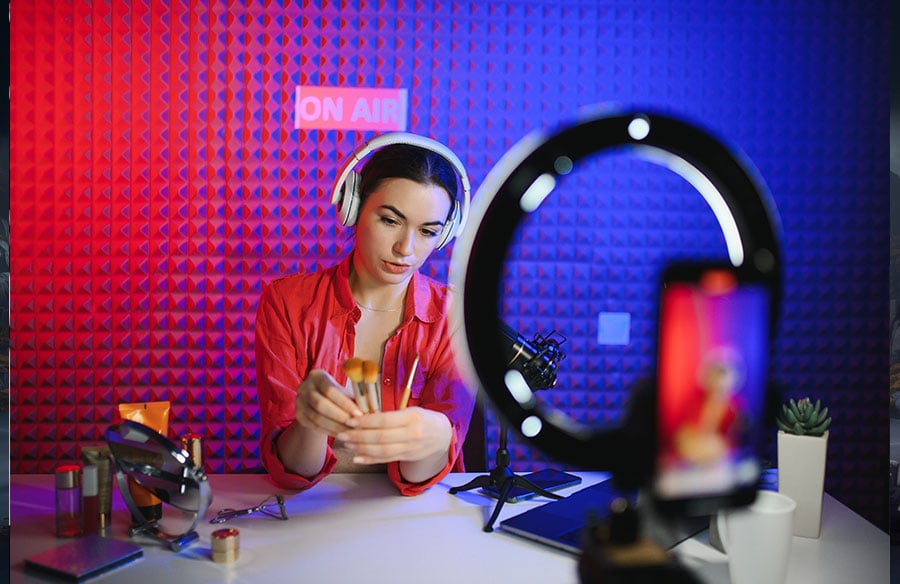
Fast forward. It’s 10:30 p.m., and someone’s curled up in bed watching a YouTuber named Mia talk about her favorite skincare routine barefaced, half-asleep, maybe with a cat walking through the frame. There’s no fancy lighting. No script. But by the end of the video, people are ordering the same moisturizer she swears by. This new landscape also brings considerations around YouTube brand safety, ensuring your message aligns with suitable content.
Why? Because Mia feels real. Because trust has shifted. Because the power to influence has changed hands, and the future of marketing doesn’t look like an ad anymore.
It looks like a creator.
It Didn’t Happen Overnight
There wasn’t a single moment when the influencer economy “started.” It just…happened. Slowly. Quietly. At first, it was kids posting gaming walkthroughs or people sharing DIY tutorials from their kitchens. No fancy gear. No budgets. Just curiosity and a camera.
Then, somewhere along the way, creators started gaining serious traction. Not just views but loyalty. People weren’t watching them because they had Hollywood polish. They were watching because they were relatable, honest, a little messy, and completely themselves.
Brands took notice. And the shift began.
What Makes YouTube Different?
There’s something almost sacred about the bond between YouTube creators and their communities. It’s not fleeting like a double-tap on Instagram. It’s not blink-and-you-miss-it like TikTok. YouTube allows space. Time. Depth.
You sit with someone for 12, 15, or 30 minutes. You hear their stories, see their flaws, and laugh at their bloopers. It’s a real connection, creating something traditional advertising could never buy: emotional equity.
This is why influencer marketing thrives here. The storytelling isn’t rushed. The audience isn’t passive. And when a creator recommends a product, it doesn’t feel like a transaction. It feels like a friend passing on a tip.
From Niche to Necessity
What started as side gigs for a few internet-savvy individuals has turned into a multi-billion-dollar industry. Entire careers have been built on ring lights and editing software. Brands that once poured millions into prime-time commercials are now diverting budgets to creators with 50,000 loyal followers who can drive more action than a billboard in Times Square.
This isn’t hype. It’s a rebalancing of power.
Creators aren’t just content machines; they’re cultural translators. They speak their community’s language. They know what resonates, what doesn’t, and why. And the smart brands? They’re not just partnering. They’re listening.
It’s Not About Shouting Louder—It’s About Speaking Smarter
Traditional advertising tries to be everywhere. YouTube creators focus on being somewhere meaningful.
Think of it like this: you’re scrolling, and an ad pops up. It’s loud. It interrupts. It wants your attention but not your trust.
Now compare that to a creator sharing how they use a fitness tracker to stay on top of their health goals. It’s woven into their day. It’s not a pitch; it’s a part of the story. That’s what makes it powerful. That’s why people engage.
Influencer marketing, especially on YouTube, isn’t about selling. It’s about sharing.
Creator Media Is Its Own Genre Now
At some point, this stopped being “just” content. It became its own form of media.
We’re seeing mini-docs, comedy sketches, cinematic vlogs, and personal journals, all created by people who didn’t wait for permission. They built platforms. They built audiences. And now, they’re shaping culture.
But here’s what’s really wild: some creators are now bigger than the brands they promote.
They have more engaged communities. More credibility. More agility. In many cases, more creativity than entire ad agencies combined. That’s not a dig, it’s just reality.
Creator media isn’t the future of marketing. It’s the present.
Authenticity: The Unspoken Rule
If there’s one thing audiences can spot instantly, it’s a fake.
They’ll forgive shaky camera work. They’ll forgive the occasional ad. But they won’t forgive dishonesty.
That’s why authenticity isn’t just a buzzword; it’s the backbone of successful influencer marketing. If a creator doesn’t believe in a product or their community senses something’s off, the whole campaign can crumble.
That’s why the best partnerships are those in which the product fits seamlessly into the creator’s world. No acting is required.
Not All Sunshine, Though
Of course, it’s not all perfect.
The creator economy has its growing pains. Burnout is real. Algorithms shift overnight. One wrong move, one poorly handled collab, and years of credibility can unravel.
On the brand side, it’s not always easy to vet creators, manage expectations, or measure ROI cleanly. This is still a new-ish frontier, and the rules are being written in real-time.
But the potential? It’s massive. And it’s only getting bigger.
A Different Kind of Influence
Here’s what’s interesting: influence on YouTube doesn’t always look like viral fame. Some of the most effective creators aren’t household names; they’re community heroes. They speak to specific audiences. Gardening. Fitness. Book reviews. Tech breakdowns. Parenting tips.
And those smaller, niche communities? They’re often the most engaged.
Influencer marketing has become less about reach and more about resonance. And on YouTube, resonance runs deep.
Final Thoughts
It’s easy to underestimate this shift because it doesn’t always look like traditional media. But what’s happening on YouTube is nothing short of a revolution.
Influencer marketing and creator media have redefined how brands connect with audiences. It’s not just about ads anymore, it’s about stories. Real people tell real stories that move, inspire, and, yes, sell.
And maybe that’s the most beautiful part: we’ve returned to something human. In a world of algorithms and endless noise, people are finding truth in the voices of creators who show up, unapologetically themselves, and say, “Here’s what works for me.” This human-centric approach to advertising, focusing on genuine contextual alignment and brand safety through methods like those championed by Filament, ensures that your message resonates where it matters most. And we listen because we believe them.