Classical music continues to evolve. There are unique twists and modern interpretations on traditional musical structures that make it an ever-evolving industry.
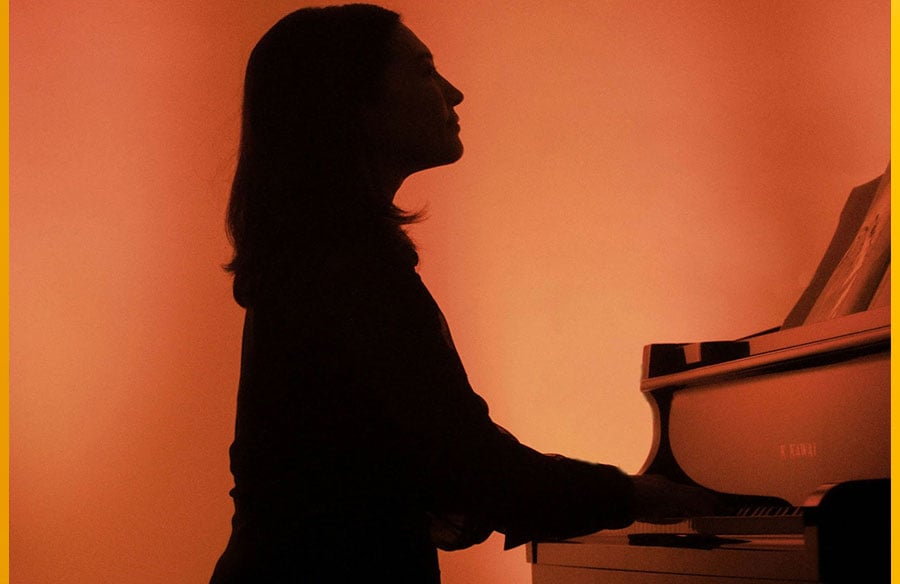
Spiritual expression has always been a part of classical music and Dr. Eunwha Kang is a leading voice in enriching worship through music. Having graduated with her Doctor of Musical Arts in Composition from Texas Tech University, Dr. Kang brings a profound depth of academic rigor, compositional innovation, and practical experience to the realm of sacred music. Her journey exemplifies a commitment to both the intellectual demands of music theory and the transcendent power of spiritual resonance.
Dr. Kang’s academic path is marked by consistent distinction. Her doctoral dissertation, titled “Requiem for Mixed Choir, Soloists, Cello, Timpani, Percussion, and Fixed Media,” showcases her dedication to original music composition and incisive analysis. This ambitious work builds upon a foundation established during her Master of Music in Composition from Missouri State University, where her thesis focused on original music and “Missa Brevis for Mixed Choir, Horn, Trumpet, and Trombone.” Her comprehensive musical education began with a Bachelor of Music from Sookmyung Women’s University in South Korea, complemented by a Music Technology & Media Skills Certificate from Texas Tech University.
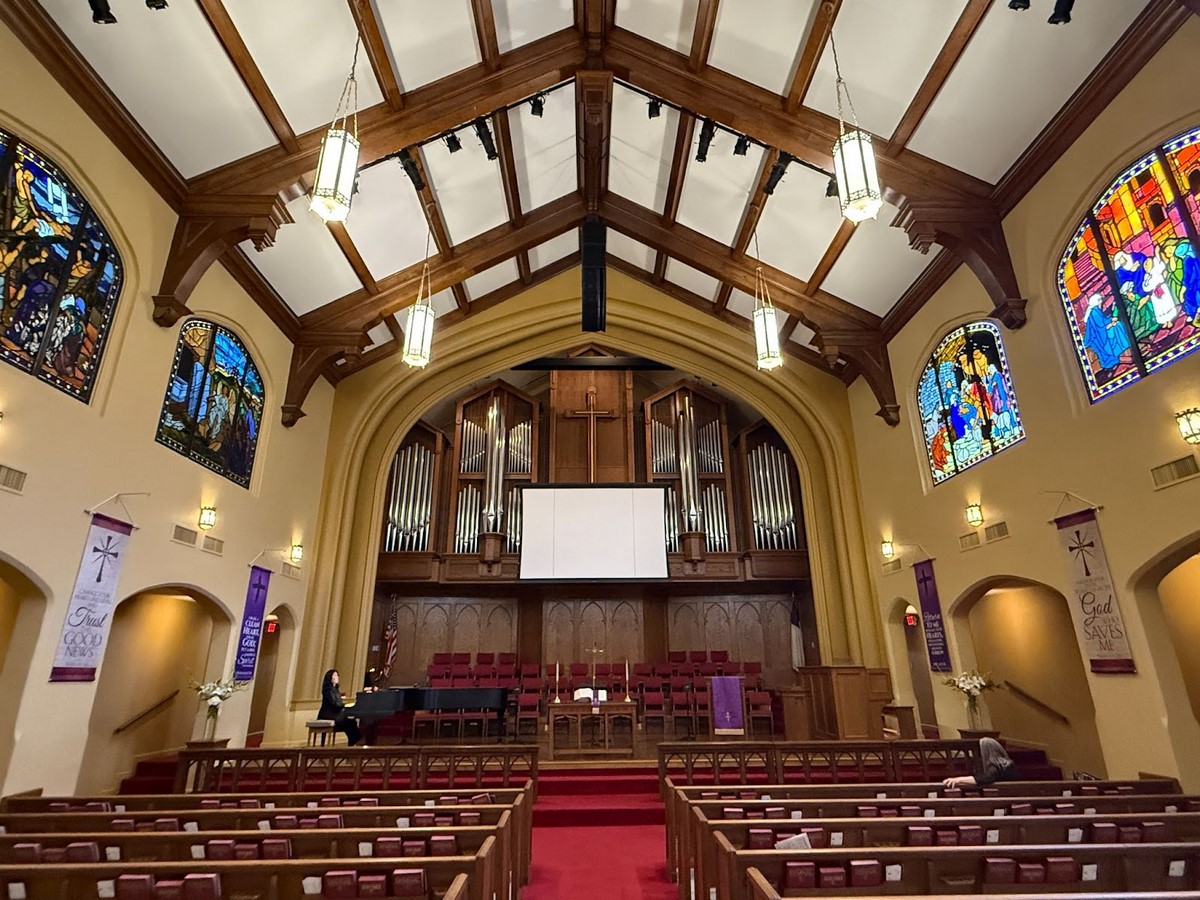 This educational foundation has allowed Dr. Kang to truly differentiate herself in the market as a renowned professional capable of transforming compositional pieces, live performances, and the education of the next generation of musicians. As a performer, she has graced the stage of prestigious events such as the “Song of the Bow,” “All Seasons and Spring Again,” and “Pen To Stage” concerts where she captivated audiences with pieces commissioned by Hye-Young Park and Chungcheongnam-do Province (South Korea), and SNATS (Student National Association of Teaching of Singing), Lubbock Chapter, respectively. She was also invited to be a featured musician within The American Guild of Organists Spring Organ and Piano Concert and The National Chorus of Korea 171th Regular Concert, two leading organizations within the international choral and music industries. Furthermore, she was commissioned to compose the behind the musical drama production”FATHER”, which was performed at the renowned Gunsan Night Walk Festival by the Gunsan Civic Choir.
As an educator, Dr. Kang has also been credited with transforming the education of some of the industry’s most promising talents. As an Adjunct Professor of Music at Midland College and the University of Texas Permian Basin, she has contributed to the continued success and high quality education that these prestigious educational institutions offer. Furthermore, she also held the role of music instructor at Texas Tech University and Odessa College. Through these roles, Dr. Kang has played a pivotal part in shaping the next generation of musicians, fostering a deep understanding of both Western and Korean musical traditions in her students.
As a dedicated composer-in-residence, Dr. Kang has created original music for diverse congregations, including Atlanta Promise Church in Atlanta, Georgia and various churches in Korea, crafting pieces specifically for worship services.
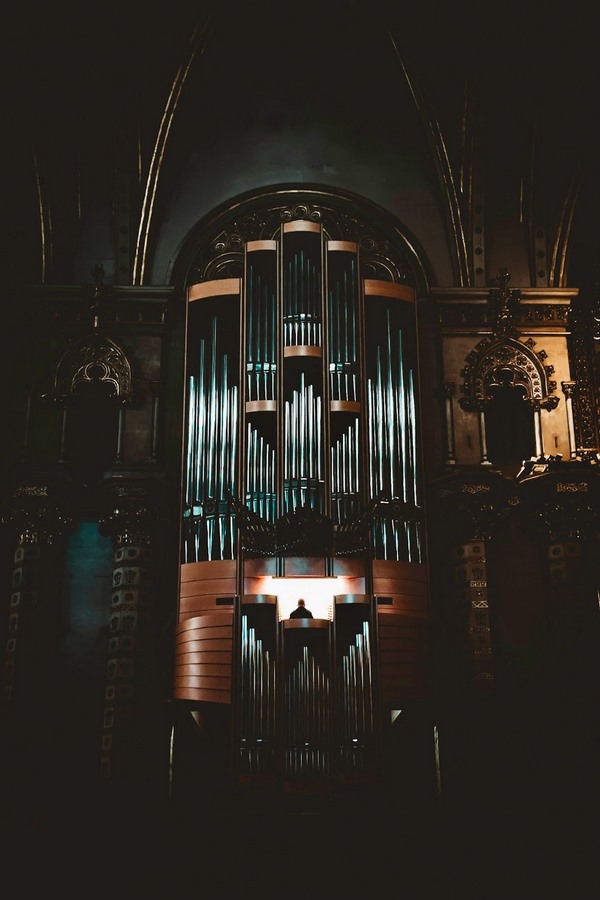 Her insights into the spiritual impact of music are profound. “I believe church music carries something beyond just melody—it holds a deeper meaning. That’s why hymns are often called ‘prayers with melody,'” Dr. Kang explains. “When the acoustics of the sanctuary, the rich sound of the organ or piano, and the harmony of the choir come together, people experience a kind of spiritual resonance that’s difficult to describe in words. That resonance naturally touches the hearts of the listeners and often becomes a source of comfort, reflection, and healing.”
Dr. Kang articulates how her extensive education empowers her approach to sacred composition. “When we look at the history of music, we see that liturgical or worship music was the foundation for many musical forms. Drawing on my background in music theory and composition, I try to bring depth and richness to church music through developed techniques and thoughtful structure.”
Critically, she emphasizes accessibility: “At the same time, I’m always mindful that church music is meant for everyone. It should be accessible, not only to trained musicians but also to the congregation—many of whom may not have formal musical education. That’s why I place great importance on creating melodies that are easy to follow and textures that feel natural and intuitive. For me, the key is balancing musical sophistication with emotional and spiritual accessibility.”
Her insights echo the profound historical significance of sacred music, a tradition that dates back to the earliest days of Christianity. While much about the genesis of sacred music remains speculative, historical accounts suggest its earliest forms shared commonalities with Jewish synagogue music. By the 6th century, Gregorian chant emerged as a foundational element of Western Church worship. Named after Pope Gregory I, these monophonic chants, sung a cappella and based on the eight church modes, dominated liturgical practice for centuries.
Though initially transmitted orally, they were first notated in the 9th century. Notable among early composers, Hildegard of Bingen stands as the most well-known composer of sacred music from the 12th century, her expansive and ambitious monophonic works representing the earliest surviving notated music by a named composer. Dr. Kang’s work continues this rich tradition, bringing contemporary compositional excellence to spiritual expression.
Dr. Eunwha Kang’s multifaceted career—as a distinguished academic, an innovative composer, a dedicated educator, and a gifted performer—cements her role as a pivotal figure in contemporary music, especially within the sacred realm. Her unique ability to blend rigorous musical scholarship with spiritual sensitivity ensures that the art of worship continues to uplift and inspire congregations, resonating deeply within the hearts of listeners.