On the surface, cardboard may be one of the most mundane things in our lives, something we rip open when we get a package or throw away after opening electronics. Look a bit closer, however, and you’ll discover that not all cardboard is made the same. Indeed, its applications, durability, and effect on the environment all differ greatly based on its quality and composition.
Consider Europa Industries’ cardboard sheets, for instance. These premium sheets aren’t merely cutouts for shipping, they’re designed to answer the needs of both presentation and function. For architects, model-makers, designers, and even eco-friendly brands, the correct type of cardboard can make or break a project.
Beyond Brown Boxes: The Story Behind the Sheet
Though the majority of individuals consider cardboard to be plain packaging, industry professionals know better. Corrugated sheets are composite materials, an inner fluted layer sandwiched between two flat liners. Yet it’s the density and composition of the layers that establish a sheet’s strength, flexibility, and suitability for various uses.
A single-walled white sheet can be ideal for architectural mock-ups or high-end product presentations, providing both clean looks and a sturdy base. Conversely, multi-walled and thicker sheets are best for industrial packaging or building oversized temporary installations. It’s not only about appearance, it’s about performance under stress.
The Designer’s Choice
Cardboard is now a reliable medium in creative fields, particularly in exhibition design and architecture. Open the door to any design school studio, and you’ll find cardboard piled up in each corner, being utilized to develop intricate maquettes, eco-friendly prototypes, and interactive exhibitions. The fact that it can be readily cut, molded, glued, and painted makes it a popular choice for quick ideation and functionality testing.
Designers value that cardboard is cheap, recyclable, and light but the best part is its versatility. Indeed, at design events such as Milan Design Week, whole stands have been built from high-quality corrugated sheets, showing that cardboard can find space in luxury design if thoughtfully applied.
When Quality Matters Most
Not every sheet of cardboard reacts the same under pressure, literally. Fold a cheap sheet, and you will get wavy creases or cracks. Add paint, and the surface buckles. Such seemingly small annoyances can sabotage a project, particularly when appearance is important.
Good-quality cardboard, on the other hand, retains its form despite several cuts and folds. It keeps adhesives in place better, resists water for longer, and provides a more even finish. This matters especially for branded packaging and client presentations, where first impressions matter.
For instance, an artist who is making a mini building model for an exhibition would emphasize clean edges, accurate folding, and an even surface. This degree of accuracy is just not achievable with low-quality material.
The Sustainability Angle
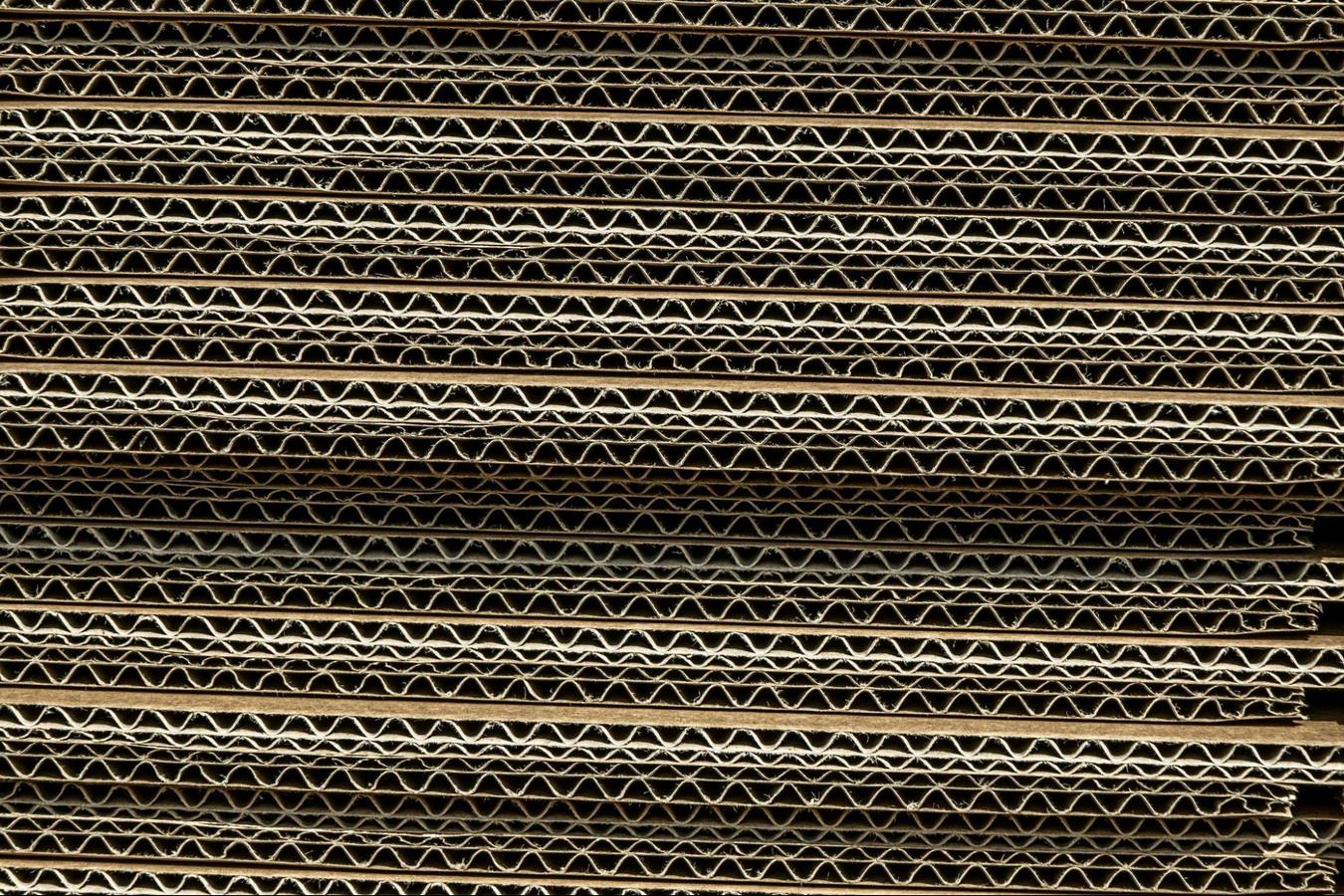 One of cardboard’s greatest strengths is its environmental promise. Corrugated cardboard, the U.S. Environmental Protection Agency (EPA) reports, boasts a lofty recycling rate, well over 80% in recent years. That puts it at the forefront of sustainable materials, if responsibly sourced and utilized.
But not all cardboard sheets are made with eco-friendliness in mind. Some are wax-coated or plastic-lined, which makes them more difficult to recycle. Others might utilize bleaches or adhesives that are toxic to the environment. That’s why collaborating with reliable manufacturers that utilize recycled pulp, non-toxic adhesives, and FSC-certified sourcing is critical if you’re looking to make green design decisions.
A Building Block for Temporary Architecture
Aside from packaging and model-making, cardboard is also appearing in large-scale uses. Temporary pavilions, disaster relief housing, and mobile classrooms have all been built using engineered cardboard tubes and panels. Such structures not only attest to the material’s versatility but also to its contribution to socially conscious design.
Japanese architect Shigeru Ban has famously utilized cardboard tubes to construct churches and emergency shelters in disaster-stricken regions such as Rwanda and Haiti. His efforts show how light materials, if cleverly engineered, can provide practical solutions to real-world issues at low cost and with dignity.
Presentation with a Purpose
In retail settings, cardboard has evolved from a disposable commodity to a medium for storytelling. Shops utilize printed cardboard backdrops, shelving, and even signage as a component of their sustainable brand narrative. Yet again, the quality of these sheets determines if the installation appears finished or as though a school project had gone terribly wrong. With high-quality cardboard, brands can match form and function to their values, producing displays that are as responsible as they are attractive.
Next time you are doing a project that uses cardboard, pose a few basic questions to yourself. What is the sheet constructed of? Will it retain its form with the passage of time? Can it be recycled once used? Is it appropriate for your desired aesthetic? The reality is, cardboard may well be among the most underappreciated design tools on the market today. In the right hands and from the right supplier, it’s more than a brown box. It’s an architectural material. A branding statement. An eco-friendly option. And like most things, it’s only as good as the effort you take to choose it.