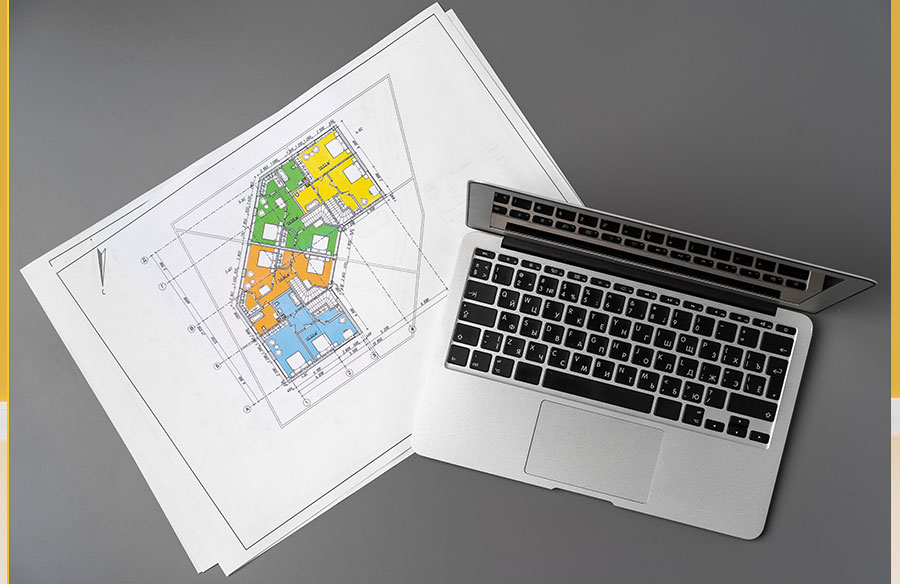
In the world of architecture and design, every sketch, model, and drawing carries the unique fingerprint of its creator. These aren’t just files they’re the product of imagination, education, experience, and endless iteration. But in today’s digital-first environment, that creative fingerprint can be alarmingly easy to copy, erase, or misuse. Which begs the question: how do we protect creative work once it leaves our hands and enters the cloud?
This isn’t a hypothetical concern. Designs get stolen. Drafts get circulated without permission. Concepts are repurposed with no credit. And while creative industries have always faced issues of intellectual property theft, the digitalization of everything has multiplied the risk.
The Fragility of the Digital Draft
When you email a 3D model or upload a design pitch to a client’s portal, you’re hoping it will be received with respect and discretion. But once that file is out of your ecosystem, anything can happen to it. It could be forwarded to a third party. It could be opened, modified, and resubmitted without your knowledge. It might even become the foundation of a project you never approved or get published somewhere without your name attached.
Digital formats like .dwg, .rvt, .skp, and .pdf are inherently vulnerable they’re made to be edited, shared, and reused. That’s the beauty of them, and also the danger.
Watermarks and NDAs Aren’t Cutting It
Most creatives rely on basic tools for protection: watermarks, password-protected PDFs, sometimes a non-disclosure agreement. These methods can work in theory, but they fall apart under pressure.
Watermarks can be cropped. Passwords can be cracked. And NDAs, while legally binding, don’t stop someone halfway around the world from using your design and ignoring your cease-and-desist email. Even when legal action is an option, it’s often expensive, slow, and international IP enforcement is murky at best.
That’s why we’re starting to see architects and designers turn to smarter, more tech-driven approaches to file protection ones that go beyond appearances and start tackling security at the source.
Thinking Like a Technologist (Without Becoming One)
Creative professionals shouldn’t need to be IT experts. But a basic understanding of how digital files can be locked down, tracked, and redacted is quickly becoming essential specially if you’re working with confidential clients or innovative projects.
Let’s say you’re submitting a concept for a private development project. You want to show your best work, but you also need to redact sensitive client data and limit how the file is used after it leaves your desk. That’s where a tool like this comes in. It allows you to permanently remove sensitive information not just hide it and maintain control over who accesses what and when.
Instead of just watermarking a PDF and hoping for the best, you’re actively managing access and visibility. It’s not about paranoia it’s about professionalism.
Balancing Openness with Boundaries
Design is inherently collaborative. You work with clients, engineers, planners, suppliers, and more. Trying to lock everything down would be counterproductive. But sharing with intention is different from just sending files into the void.
There are now tools that let you share files with expiring links, view-only access, audit trails, and edit history. You can revoke access after a presentation, or set permissions so that collaborators can comment but not download or forward your work. It’s not restrictive it’s just smart.
This kind of control can be particularly useful in competitions and pitches. We’ve all heard stories of firms submitting proposals only to see uncannily similar concepts appear in a winning bid by someone else. With the right safeguards, you can at least track what happened and demonstrate authorship if needed.
Building a Culture of Respect for Creative Ownership
At its core, creative protection isn’t just a technical issue — it’s a cultural one. If we want to truly safeguard design work in the digital age, we need to rethink how we talk about creativity and how we treat the people behind it.
In architecture and design, deliverables are often seen as the final product — blueprints, renders, models. Tangible outputs. But before any of that exists, there’s an idea. A moment of inspiration. A rough sketch. A hundred iterations that never make it to the client. These aren’t just steps in a workflow; they’re the creative lifeblood of the project. They are the intellectual property of someone who’s spent years honing their craft, not just a line item in a budget.
We don’t just need better watermarking tools or stricter NDAs. We need a deeper respect for the creative process itself. That begins with awareness. Clients need to understand that what they’re seeing — even in the earliest stages — is valuable IP. It’s not a free sample. It’s not just “something to look at.” It’s work. It’s ownership.
Project managers, too, play a crucial role. Forwarding design files without a second thought, uploading unprotected drafts to shared drives, or leaving folder access wide open — these actions may feel small, but they chip away at creative security. With every click, the original creator loses a bit more control.
Studios have a responsibility here as well. Internal culture should emphasize that digital work deserves the same level of care and confidentiality as physical models or printed drawings. Just because a file can be copied in seconds doesn’t mean it should be treated casually. Education and protocols need to support that mindset — from how files are named and shared, to who has access and why.
What’s at Stake Isn’t Just a File
It’s easy to downplay a lost or misused digital file. After all, no one stole a physical model. No locks were broken. But the damage is real — and often worse.
Losing control of your work can cost you a project. It can destroy months of effort. It can create a legal mess, or worse, a silent one — where your ideas quietly appear in a competitor’s portfolio or in a client’s rebrief, just changed enough to escape a clear claim of theft. That kind of erosion — of trust, of control, of credit — is not just frustrating. It’s deeply personal.
And for creatives, the emotional toll is significant. It’s hard to describe the sting of seeing your ideas used without your name attached, especially when you know the hours, the care, and the late nights that went into them. When you pour part of yourself into a project, it’s not “just a file.” It’s a piece of your voice.