In 2025, as climate resilience becomes central to architecture and landscape design, cities located in dry, hot climates are rethinking how public and private green spaces are managed. Traditional lawns, once symbols of suburban beauty, are being replaced with innovative, resource-efficient alternatives. One solution that has gained traction is artificial grass. For homeowners and designers in Phoenix and surrounding regions, embracing RM Artificial Grass Phoenix is not just a stylistic choice, it is a strategic one. This shift highlights the intersection of sustainability, technology, and climate adaptation in the built environment.
What Is Artificial Grass and Why Is It Relevant in 2025?
Artificial grass, also known as synthetic turf, is a surface made of synthetic fibers that mimic the appearance of natural grass. Originally developed for sports fields, it has evolved into a mainstream material for residential yards, commercial properties, parks, and public infrastructure.
In the context of 2025, artificial grass represents more than aesthetic convenience. With growing concerns over water scarcity, climate change, and urban heat islands, it offers an eco-conscious alternative for regions where natural turf is neither sustainable nor practical. The relevance of this material lies in its potential to support climate-adaptive landscaping strategies, reduce urban maintenance costs, and foster environmentally responsible design practices.
Why Water Scarcity Is Forcing a Shift in Landscape Design
The American Southwest, including cities like Phoenix, Las Vegas, and Tucson, is experiencing intensified drought conditions. Municipalities are issuing water restrictions, and homeowners are under pressure to reduce water consumption.
Natural lawns require thousands of gallons of water per year to remain green and healthy. In contrast, artificial grass requires no irrigation, making it an attractive solution for conserving water. This drastic difference in water usage is one of the main reasons why urban designers, municipalities, and homeowners are switching to synthetic turf in arid climates.
The Colorado River crisis and falling reservoir levels have emphasized the need for long-term water management solutions. Artificial grass provides a way to maintain green space aesthetics without the environmental cost of traditional lawns.
How Artificial Grass Supports Sustainable Urban Planning
Sustainable urban planning is built on principles of efficiency, resilience, and reduced environmental impact. Integrating artificial grass into landscape designs helps achieve several of these goals.
Artificial grass supports low-impact development (LID), a strategy used in modern cities to reduce runoff, manage stormwater, and preserve natural systems. When paired with proper sub-base and drainage layers, artificial grass contributes to water-permeable surfaces that reduce flood risks in urban zones.
It also plays a role in heat island mitigation. While some critics argue that synthetic turf can become hot under direct sunlight, new technologies in 2025 are offering cooling infill materials and reflective fibers that significantly reduce surface temperatures. This makes artificial grass a more viable option for walkways, schoolyards, and community parks.
Where Artificial Grass Fits into Landscape Architecture Today
In the discipline of landscape architecture, the use of artificial grass has evolved from functional installation to intentional design element. Designers now use synthetic turf in combination with xeriscaping, pavers, vertical gardens, and shade structures to create multifunctional outdoor environments.
Artificial grass is ideal for:
- Courtyards and plazas in commercial developments
- Rooftop gardens in high-density housing
- Schoolyards and playgrounds with high foot traffic
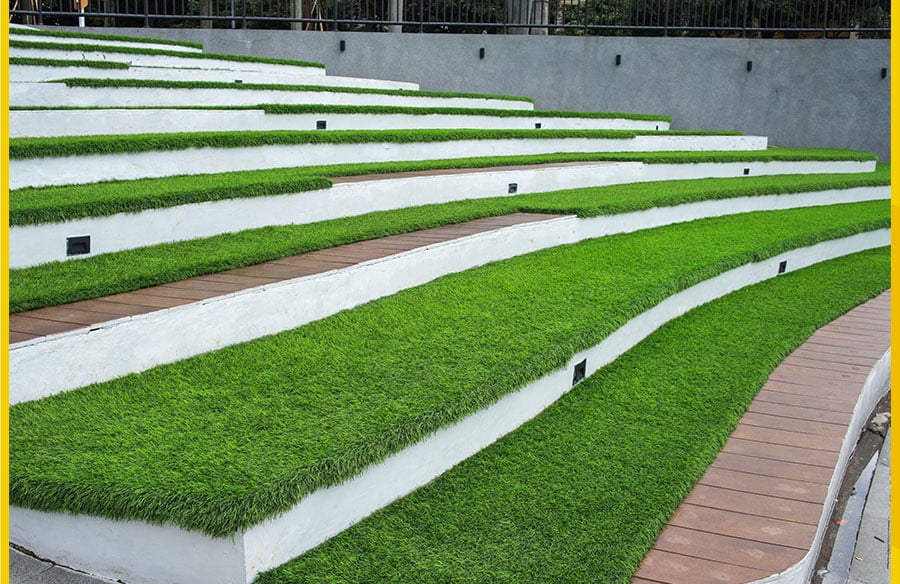
- Public seating areas and gathering spaces
- Dog parks and pet relief zones
- Outdoor event venues
These applications reflect a growing emphasis on durable, low-maintenance materials that still support community well-being and aesthetic goals.
How Artificial Grass Impacts Biodiversity and Ecosystem Services
A common concern among environmentalists is whether artificial turf supports biodiversity. Unlike native plantings, artificial grass does not provide habitat or food for pollinators or wildlife. However, in urban zones where space is constrained or soil quality is poor, it serves as a practical groundcover to reduce dust, erosion, and allergens.
To mitigate its limitations, many designers incorporate artificial turf strategically—as a backdrop or softscape buffer—while integrating native plants, trees, and pollinator-friendly gardens in surrounding areas. This balanced approach ensures ecosystem services are not lost and contributes to an overall resilient urban landscape.
Why Artificial Grass is a Smart Choice for Public Infrastructure
In 2025, cities are under increased pressure to reduce maintenance budgets and comply with environmental targets. Public parks, medians, roundabouts, and sports facilities that once relied on constant watering and mowing are transitioning to synthetic solutions.
Artificial grass has a lifespan of up to 15 years with minimal maintenance. It eliminates the need for fertilizers, pesticides, and mowing equipment, thereby reducing the city’s carbon footprint. Maintenance crews can redirect their time to tree care, stormwater management, or ecological restoration projects instead.
Cities like Los Angeles, Las Vegas, and Phoenix have begun to integrate artificial grass into their public works strategies. The material’s resilience to foot traffic, weather conditions, and vandalism make it an ideal fit for infrastructure-heavy spaces.
How New Technology is Enhancing the Performance of Artificial Grass
One reason artificial grass has become more widely accepted is due to material innovation. In 2025, synthetic turf products now include features like:
- Antimicrobial backing layers to prevent odor and bacterial buildup
- Infill made from recycled cork or coconut husk, which reduces surface heat and supports sustainability
- UV-resistant and fade-proof fibers, ensuring long-term color stability
- Permeable backing that allows efficient drainage and avoids puddling after rain
These advances have addressed many of the criticisms associated with older generations of synthetic turf. As manufacturers continue to refine their products, the environmental performance and usability of artificial grass are improving.
Where Are the Best Places to Use Artificial Grass in Residential Design?
For homeowners, artificial grass offers both functional and aesthetic benefits. It is especially valuable in spaces that are hard to maintain with natural turf or require a clean, consistent appearance year-round.
In modern residential design, artificial grass is used in:
- Side yards and narrow spaces where irrigation is difficult
- Pool decks and patio surroundings
- Rooftop decks or balconies
- Backyard play areas for children
- Shaded zones where natural grass struggles to grow
These applications make synthetic turf an integral part of sustainable residential architecture, particularly in regions prone to drought or excessive heat.
Why Artificial Grass Is Becoming Part of Climate-Responsive Design
Climate-responsive design is focused on reducing environmental stress while adapting the built environment to new weather patterns. Artificial grass supports this goal by helping to:
- Reduce water usage in landscaping
- Minimize soil erosion in sloped or degraded lots
- Limit air and noise pollution from gas-powered landscaping tools
- Create safe, consistent surfaces that reduce trip hazards and require less chemical treatment
Incorporating artificial grass into sustainable site development practices allows architects and planners to meet LEED goals, comply with local drought ordinances, and contribute to broader sustainability frameworks.
How to Choose the Right Artificial Grass in 2025
Not all artificial grass products are created equal. For architects, designers, and homeowners, choosing the right type of turf depends on intended use, regional climate, and design goals.
High-traffic areas benefit from dense, short-pile turf with reinforced backing. Residential lawns may favor softer, more natural-looking fibers with varied blade lengths and color tones. For pet owners, antimicrobial and odor-resistant turf is key.
Working with a trusted provider like RM Artificial Grass Phoenix ensures access to professional installation, product guidance, and materials suitable for the unique desert climate of Arizona.
Where Artificial Grass Regulations Are Changing in 2025
As the demand for artificial turf grows, so does the need for updated zoning codes and sustainability guidelines. In 2025, several U.S. cities are revising landscape regulations to:
- Limit water-intensive lawns in new developments
- Offer rebates or incentives for synthetic turf installation
- Ensure proper drainage and heat safety for artificial installations
- Protect native plant habitats by guiding where artificial turf can be used
Design professionals are advised to stay updated on local ordinances and integrate artificial grass into broader green infrastructure strategies that align with city-wide sustainability goals.
Why the Future of Urban Design Includes Synthetic Turf
As cities grow and environmental stressors increase, materials like artificial grass will continue to play a role in shaping sustainable public and private landscapes. Its value lies not in replacing nature, but in supporting strategic green space creation where natural vegetation is impractical.
From plazas to pocket parks, from apartment terraces to outdoor classrooms, synthetic turf is expanding the possibilities of what urban green space can look like in the 21st century. Combined with shade trees, native plantings, and thoughtful design, artificial grass contributes to livable, low-impact environments that respond to today’s climate challenges.
Conclusion: Rethinking Landscape Materials for a Sustainable Tomorrow
In 2025, rethinking the future of landscaping means rethinking the materials we rely on. Artificial grass is not a silver bullet, but it is a valuable component in the landscape designer’s toolkit—especially in water-scarce, high-heat environments like Phoenix.
By reducing water usage, lowering maintenance emissions, and enabling creative green space designs, artificial turf is helping cities meet sustainability goals without sacrificing beauty or functionality.
As more professionals adopt climate-resilient design practices, embracing eco-conscious materials like those from RM Artificial Grass Phoenix becomes a natural next step in building greener, smarter urban environments.