When you are faced with a sewage backup problem you need to find a quick and effective solution to clear the blockage.
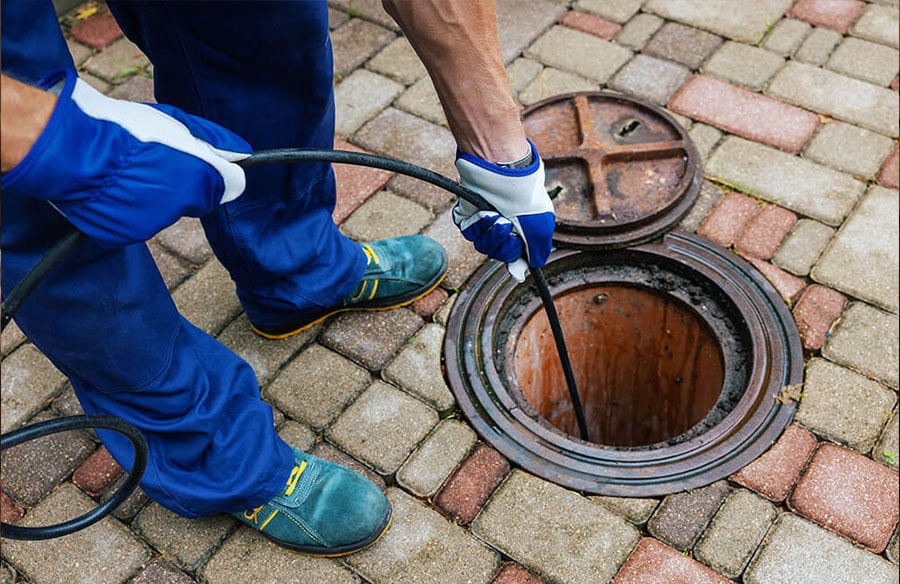
Sewer jetting is usually the best solution. Using high pressure water jetters, you will often be able to resolve the problem and clear the way to everything getting back to normal.
Sewer jetting is a very effective solution, but do you know how these machines work and what they can do?
Let’s take a closer look at how sewer jetting works.
The basics
Sewer jetting involves using a high-pressure water pump that is powered by an engine to create and maintain a high level of pressure.
The water that comes out of your machine is pressurized to a pre-determined pounds-per-square-inch (PSI) power setting and the water flow is measured in gallons per minute (GPM).
These measurements are an indication of the intensity and flow rate of each sewer jetting model.
Unless you know what sort of power and flow setting you might need it would be a good idea to check with your supplier so that you get a model that meets your requirements.
What sort of job are you doing with your machine?
The level of pressure and flow that you need is often dependent on what sort of task you are asking the machine to perform.
One of the toughest tasks you might want to tackle with a jetting machine would be to try and cut through a build-up of grease and dirt. You need a good level of PSI to be able to clear a blockage of this type. A good guide would be to look for a machine that offers a PSI of at least 3,500 and a flow rate that is a minimum of six gallons per minute.
To give you an idea of the versatility of these machines you would need a much lower PSI but a higher GPM that is nearer 60 gallons if you wanted to try and push something finer like sand away from a sewer line.
The materials that are creating the blockage will determine the flow and pressure you need to do the job.
Choosing the right nozzle
You will need to choose the right jetting nozzle for each task in order to get the best results.
If you are looking to penetrate and remove a blockage such as a root mass, for instance, a front-facing jet nozzle. You should only use this type of nozzle for initially clearing a direct blockage.
Once you have cleared the direct blockage you can then switch to a rear jet to completely clean the sewer and pipeline.
These are the basics of high-pressure jetting. You will quickly discover that your machine is highly versatile and capable of performing a number of different jetting tasks to a high level of efficiency.
If you want to jet a storm drain, clean a roadway, or even clear debris from a roof, these are just some of the things you will be able to do with the right jetting model in your hand.