Selling your home is a major decision, and making the right first impression is crucial in today’s competitive real estate market. Buyers often form opinions within seconds of seeing a listing or stepping into a showing. With so many homes available at once, yours needs to stand out for the right reasons. That’s why preparing your home thoroughly before listing isn’t just recommended—it’s necessary. From cosmetic upgrades to functional fixes, each step you take can help increase your home’s perceived value, reduce time on the market, and even boost your final sale price.
Here’s how to get started the smart way.
1. Start with a Deep, Professional Clean
The easiest way to turn off a potential buyer is to show them a dirty or neglected space. Deep cleaning is the first and most important step in prepping your home for sale. This goes far beyond a weekend tidy-up. You want every inch of the property to shine.
Hiring a professional cleaning service can be a worthwhile investment. They’ll tackle stubborn stains, remove built-up dust, and get into spaces most homeowners tend to overlook. A spotless home suggests to buyers that it’s been well cared for, setting a strong foundation for their overall impression.
2. Refresh or Remodel the Kitchen
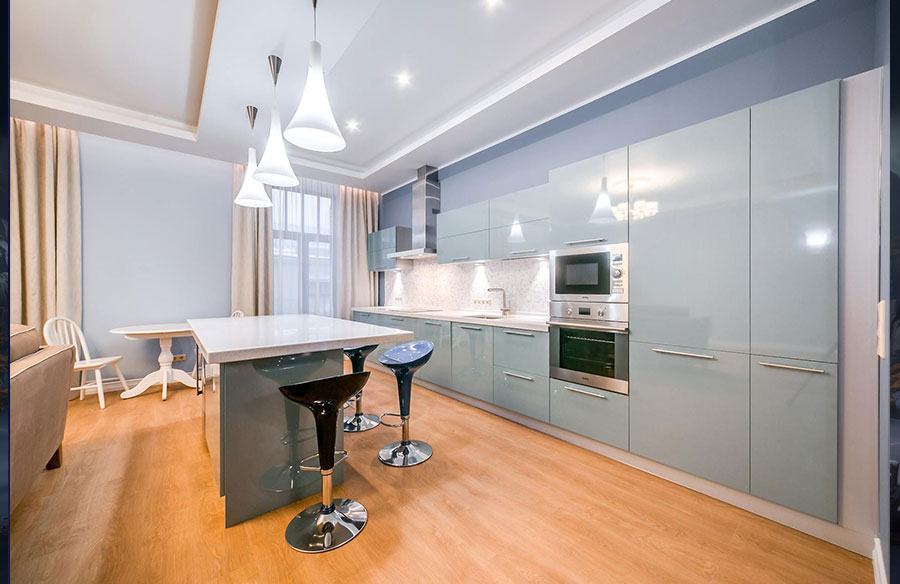
Kitchens are often a top priority for buyers. A dated or worn kitchen can significantly lower a home’s appeal, while an upgraded one can become a major selling point. If your kitchen needs work, start with simple updates. Painting cabinets in a modern color, adding new hardware, and updating light fixtures can make a big visual difference without a huge cost.
However, if your kitchen is seriously outdated and your budget allows, consider a complete remodel. A fully modernized kitchen doesn’t just attract more interest but also justifies a higher asking price. A professional full kitchen remodeling company can guide you through layout changes, new cabinetry, countertops, and high-efficiency appliances. They can also ensure everything is done up to code and with the right permits.
A well-executed kitchen remodel could be the feature that sets your listing apart.
3. Declutter and Depersonalize
Once the cleaning is complete and the kitchen is refreshed, it’s time to declutter. Too much furniture or personal decor can distract people from seeing the actual space and flow of the rooms.
Start by removing items you no longer need. Then, take out family photos, personal memorabilia, and anything with bold or niche tastes. If you’re unsure how much to take away, aim for minimal and neutral. This creates an open, calm environment where buyers can picture their belongings fitting into the home.
4. Fix What’s Broken
Small repairs may seem insignificant, but they can quickly become red flags during a showing. A dripping faucet, loose doorknob, or cracked tile sends a message that the home hasn’t been well-maintained. Buyers often assume that visible issues mean there are hidden ones too.
Walk through your home like a buyer would, making a note of anything that sticks out or doesn’t work properly. Fix squeaky doors, patch holes, replace burnt-out bulbs, and tighten hardware. If you’re unsure what to look for, hiring a home inspector before listing can reveal problems early.
5. Boost Curb Appeal
Curb appeal matters more than many sellers realize. If the exterior looks unkempt or outdated, it could discourage buyers from even stepping inside.
Simple updates go a long way. Mow the lawn, trim bushes, and add fresh mulch or seasonal flowers to garden beds. Clean the driveway and sidewalks. Update the house numbers and mailbox if they’re outdated. Even small touches like a new doormat can make a home feel more inviting from the curb.
6. Repaint in Neutral Tones
One of the easiest and most cost-effective ways to make your home more appealing is to repaint key areas (yes, not just walls). Bold or dark colors might reflect your personal style, but they can also make spaces feel smaller or less inviting. Buyers tend to prefer homes that feel open, bright, and easy to customize, which is why neutral tones work so well. They provide a blank slate and help rooms appear larger and more cohesive.
When repainting, don’t skip the ceilings, trim, or doors. These areas collect dust and scuff marks over time. A consistent paint job gives your entire home a clean, finished look. If painting multiple rooms seems overwhelming, focus on high-traffic areas like the entryway, living room, and kitchen first.
7. Maximize Lighting in Every Room
Lighting has a huge impact on how your home feels. A well-lit room appears larger, more welcoming, and more functional. Start by opening all blinds and curtains to let in as much natural light as possible. Replace any heavy drapes with sheer or light-colored alternatives. If privacy is a concern, consider frosted window films or light-filtering shades.
For artificial lighting, make sure every light fixture has a working bulb and that the color temperature is consistent throughout the home. Bright, white-toned bulbs tend to work best for most rooms. If your fixtures are dated or mismatched, replacing them with modern, budget-friendly options can elevate the overall style of your space without a full renovation.
8. Stage Strategically
Staging is about showing buyers how they could live in the home, not how you currently do. It doesn’t require fancy furniture or a full design overhaul. Instead, focus on highlighting the function of each room and creating a welcoming atmosphere.
If you have rooms that are empty or poorly defined, give them a purpose. A small table and chair can suggest a home office. A clean rug and a mirror can turn an awkward nook into a stylish entry space. The goal is to make the home feel comfortable, uncluttered, and move-in ready.
9. Gather Your Paperwork
Behind every polished listing is a well-prepared seller. Before your home goes on the market, gather all the important documents that buyers or agents may ask for. This includes appliance manuals, warranties, permits for renovations, utility bills, and a record of maintenance work. Being organized shows that you’ve taken good care of the home and makes it easier for the buyer’s agent to answer questions during negotiations.
You’ll also want to interview a few real estate agents. Look for someone who understands your local market, communicates clearly, and has a strong strategy for marketing your home.
Selling your home takes more than listing it online and hoping for the best. The work you put in beforehand can greatly influence how quickly it sells and for how much. Each step on this checklist adds value and appeal, ensuring your home stands out in the market and connects with the right buyers from the very first glance.