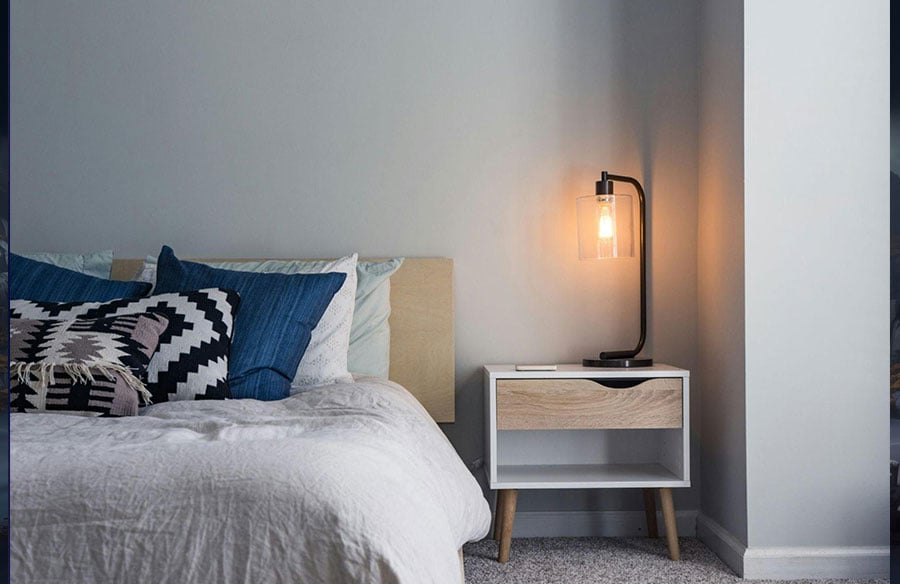
There’s nothing quite like the serenity of a minimalist bedroom, clean lines, uncluttered space, and a color palette calm enough to lower your blood pressure. But here’s the thing: even the most aesthetically perfect room can feel downright uncomfortable if your bedding makes you toss and turn all night. If you’ve ever woken up drenched in sweat despite the sleek design around you, you’re not alone. Plenty of people struggle with being uncomfortable at night due to poor bedding choices. The right fabrics can make all the difference, especially if you’re dealing with night sweats.
Let’s dig into how you can make your minimalist bedroom not just a haven of design, but a sanctuary of sleep.
Why Minimalism Matters in the Bedroom
Minimalism isn’t just a trend, it’s a lifestyle that invites calm, clarity, and intentionality. In the bedroom, that means fewer distractions, less visual noise, and a deeper focus on rest and rejuvenation. But achieving comfort in a minimalist space goes beyond what you remove, it’s about what you keep. Bedding is one of the few tactile experiences that remains, making it central to your sleep experience.
Minimalism is not about austerity. It’s about mindfulness. And there’s no better place to be mindful than in bed, where one-third of our lives are spent.
The Secret to Comfort: It’s All in the Sheets
You might have the most beautifully pared-down space, but if your sheets trap heat or feel rough on the skin, the whole vibe collapses. Choosing the right bedding is essential, not only for comfort but also for preserving the look and feel of your minimalist haven.
Key qualities to prioritize:
- Breathability: Natural fibers like linen, TENCEL™, and bamboo wick away moisture and promote airflow.
- Softness: Look for long-staple cotton or blends that offer silky softness without sheen.
- Weight: Lightweight materials help regulate temperature and create that effortless “float” on the bed.
Material Matters: Top Picks for a Minimalist Bed
1. Linen
Classic, cool, and a minimalist’s dream. Linen gets softer with every wash and boasts that effortlessly rumpled look that suits an intentionally relaxed aesthetic. It’s naturally moisture-wicking and antimicrobial, great if your body tends to run hot.
2. TENCEL™
A sustainable option derived from eucalyptus, TENCEL™ feels like silk and breathes better than cotton. It drapes beautifully, giving your bed a calm, flowing aesthetic that doesn’t interrupt minimal lines.
3. Organic Cotton (Percale Weave)
Crisp, cool, and clean, percale is often referred to as the “white shirt” of bedding. It’s breathable and structured, ideal for those who like their sheets feeling fresh and light.
4. Bamboo Viscose
If you’re particularly sensitive to heat, bamboo’s thermoregulating properties are a game-changer. It’s silky to the touch, eco-friendly, and resists odors naturally. A win-win for comfort and design.
Minimalist Bedding Doesn’t Mean Boring
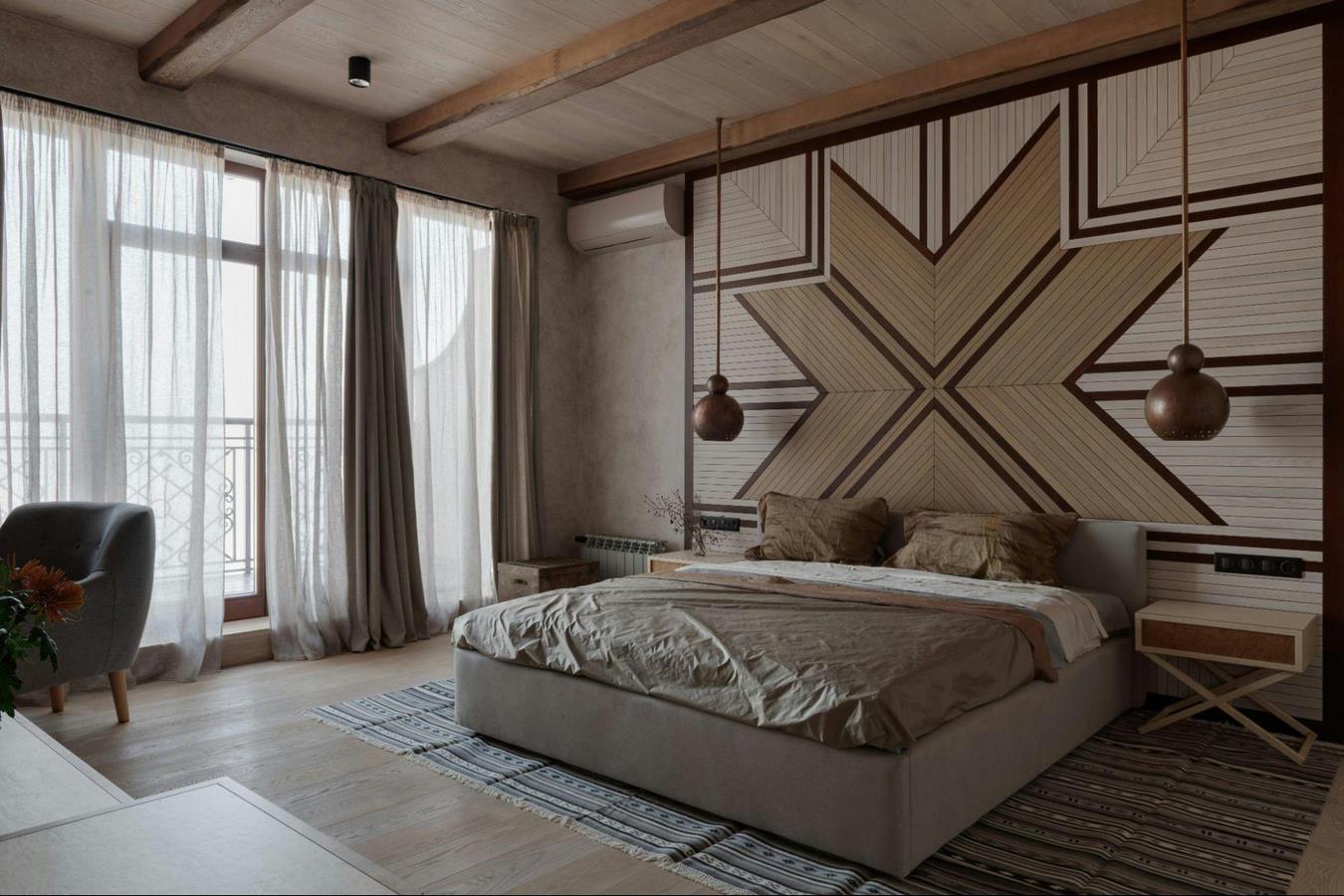 A common myth is that minimalist equals monochrome. In reality, minimalism celebrates subtlety. Consider bedding in earthy neutrals, soft greys, or off-whites. These tones add depth without cluttering the visual field.
A well-placed texture, a waffle-knit throw or a lightly fringed pillow, can add visual interest without disturbing the minimalist ethos. The goal is restraint, not repression.
Layering Without Clutter
Even in a minimalist room, layers are necessary. But there’s a difference between layered and overloaded. Stick to:
- A breathable sheet set
- One cozy blanket or duvet (opt for down alternative if you run hot)
- Two to four pillows in coordinating neutral covers
Keep it simple, but intentional.
The Role of Temperature in Comfort
If your room looks serene but feels like a sauna, sleep quality plummets. According to the National Institutes of Health, sleep is closely tied to thermoregulation. Your core temperature naturally drops during sleep, and your bedding can either help or hinder that process.
Cooling fabrics like bamboo and linen help your body do what it’s meant to, cool down and rest.
What About the Mattress?
You can have the finest bedding in the world, but if your mattress sleeps hot, it’s like putting a silk scarf on a radiator. Look for mattresses with breathable foam or inner coil layers designed to promote airflow. Bonus points if it has a washable cover.
Memory foam is comfy but tends to trap heat, unless it’s infused with cooling gel or copper particles. As always, your mileage may vary.
Do Aesthetics and Function Conflict?
Not at all. Minimalist design thrives when form and function unite. When your bedding feels as good as it looks, you’re not just creating a bedroom, you’re crafting an experience. And comfort is central to that.
Tips for a Seamless Look
Want that Instagrammable bed setup that also helps you sleep better? Here’s how:
- Skip bold prints, choose subtle textures and muted hues
- Use natural fabrics that drape elegantly without fuss
- Tuck your flat sheet hospital-style for clean lines
- Choose duvet covers with hidden zippers or button closures for that no-fuss look
Your bedroom should look like a calm exhale.
Can Minimalist Bedding Be Luxurious?
Absolutely. In fact, minimalism often feels more luxurious because it removes distractions. When the texture of your sheets becomes the star of the show, quality really shines through.
Splurging on one or two high-quality elements, like stone-washed linen or a handcrafted wool blanket, can elevate your space and your sleep.
Light vs. Dark Bedding: What Works Best?
In minimalist design, color sets the tone. Light bedding offers an airy, spa-like feel and makes small rooms look larger. Darker hues can feel grounding and rich but require more maintenance (think: visible lint and dust).
Your choice should reflect your personal rhythm. If you’re drawn to calm mornings with sun streaming through sheer curtains, light bedding might be your match. Prefer moody evenings and ambient lighting? Go for charcoal or navy.
Comfort is the Ultimate Luxury
Design matters. But in the sanctuary of your bedroom, comfort is king. A minimalist space is a beautiful canvas, but it’s your bedding, the part you live in every night, that brings it to life.
So if you’ve been wrestling with restlessness or waking up feeling less than refreshed, it might not be your sleep habits. It might just be your sheets. Consider revisiting that uncomfortable feeling and exploring cooling, breathable options that truly support rest.
After all, in a space devoted to doing less, your bedding should be doing more.