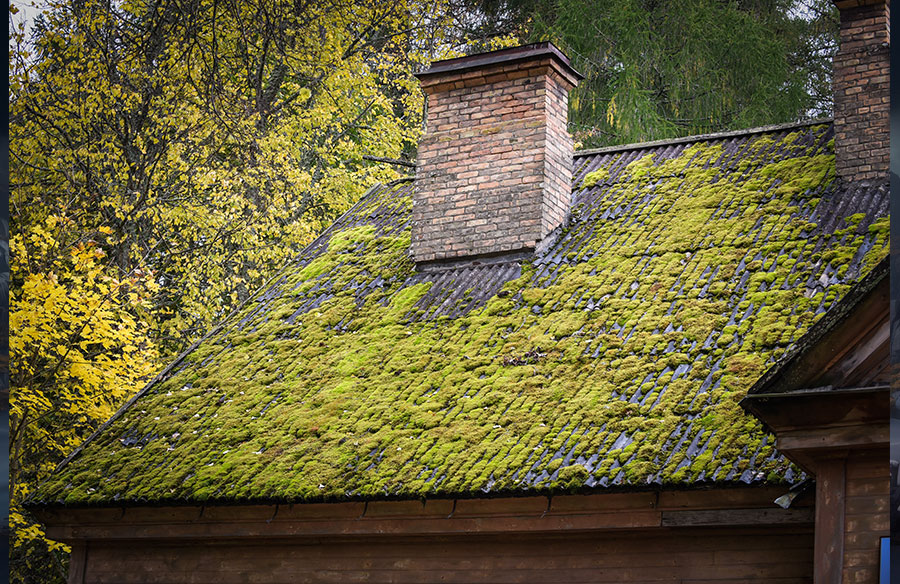
Your home is one of your most significant investments, and maintaining its structural integrity is paramount. A part of this responsibility includes ensuring your roof is free from harmful elements like moss, algae, and mould. These contaminants are more than just an eyesore; they can cause significant damage if not addressed. This article will guide you through understanding the impact of these roof invaders, identifying them, and learning effective techniques for removal and prevention.
The Impact of Roof Contaminants on Your Home
Moss, algae, and mould on your roof may seem like minor issues initially, but their long-term effects can be detrimental. Moss, for example, retains moisture, which can lead to the deterioration of roofing materials. This retained moisture can also freeze during colder months, causing damage due to expansion.
Algae, often seen as unsightly black streaks, can diminish your home’s curb appeal and reduce its market value. While algae might not directly damage your roofing, its presence indicates that your roof is retaining moisture, which can lead to more severe issues. If you’re noticing signs of moss or algae growth, it’s a good idea to consult a trusted Vancouver roofing contractor. Professional evaluation and timely maintenance can prevent costly damage and extend the life of your roof.
Mould is perhaps the most dangerous of these contaminants. It can compromise your roof’s structural integrity and pose health risks to your household members. Mould spores can spread into your home, leading to respiratory problems and allergic reactions.
How to Identify Moss, Algae, and Mould on Your Roof
Identifying these roof invaders early is crucial for effective management. Moss appears as a thick, green carpet, often found in shaded areas of the roof. It thrives in damp environments, so look for it in areas where water tends to collect.
Algae typically manifest as black or dark green streaks running down the roof. These streaks are most visible on lighter-coloured roofs and are common in humid climates. Algae can spread quickly, so early detection is vital.
Mould can be more challenging to identify as it typically grows beneath the surface of roofing materials. However, signs like musty odours in your attic or visible mould growth around roof penetrations can indicate its presence. Regular inspections are key to catching mould before it becomes a major issue.
Techniques for Removing Moss, Algae, and Mould
Effective removal of these contaminants requires the right techniques and tools. For moss, a mixture of water and bleach or a commercial moss remover can be effective. Apply the solution and gently scrub with a soft brush to avoid damaging the shingles.
For algae, a 50:50 mix of water and bleach applied with a garden sprayer can help. Allow the solution to sit for about 15–20 minutes before rinsing it off with low-pressure water. Avoid high-pressure washing as it can damage the shingles.
Mould removal is more complex and often requires professional intervention. However, small mould patches can be treated with a commercial mould remover. Ensure you wear protective gear to avoid inhaling mould spores, and consider consulting a professional for larger infestations.
Preventative Measures to Keep Your Roof Clean
Prevention is always better than cure, and this holds true for roof maintenance. Regular cleaning and inspections can prevent moss, algae, and mould from gaining a foothold. Trim overhanging branches to reduce shade and allow your roof to dry more quickly.
Installing zinc or copper strips at the roof ridge can help deter moss and algae growth. Rain causes these metals to release ions that inhibit the growth of these organisms. Ensure your gutters are clean and free-flowing to prevent water from pooling on the roof.
Consider using algae-resistant shingles if you’re in the market for a new roof. These shingles are infused with copper granules that help prevent algae growth. Regularly check for and remove any debris, as it can trap moisture and promote growth.
The Importance of Regular Roof Maintenance
Regular maintenance is vital for prolonging the life of your roof and ensuring it remains contaminant-free. Schedule bi-annual inspections, ideally in spring and fall, to catch any issues early. Look for signs of wear and tear, and address any minor problems before they escalate.
A well-maintained roof not only protects your home but also enhances its energy efficiency. By keeping your roof clean and free from moss, algae, and mould, you can prevent heat loss and reduce your energy bills. This proactive approach saves money in the long run and reduces your carbon footprint.
Additionally, regular maintenance increases your home’s resale value. Prospective buyers are more likely to invest in a property with a well-maintained roof, confident that they won’t face costly repairs after purchase.
DIY vs. Professional Roof Cleaning: Which is Right for You?
Deciding between DIY and professional roof cleaning depends on several factors, including your budget, the extent of contamination, and your comfort level with heights. DIY cleaning can be cost-effective and manageable for minor infestations, especially if you have the right tools and safety equipment.
However, professional cleaning services offer numerous advantages. They have the expertise and equipment to handle severe infestations safely and effectively. Professionals can also identify potential issues that a layperson might overlook, ensuring comprehensive roof care.
Consider your situation carefully. If your roof is steep or the infestation is extensive, hiring a professional is often the safer and more efficient choice. Weigh the costs against the potential risks and benefits to make an informed decision.
Recommended Products for Roof Cleaning
Choosing the right products is crucial for effective roof cleaning. Here are some recommended options:
- Wet & Forget Moss Mould Mildew & Algae Stain Remover: Easy to apply, non-acidic, and bleach-free.
- Spray & Forget Roof Cleaner: A no-rinse formula that works over time with rain to remove stains.
- 30 SECONDS Outdoor Cleaner: A fast-acting formula that removes stains quickly.
Ensure you follow the manufacturer’s instructions and take necessary safety precautions when using these products. Wearing protective gear and ensuring adequate ventilation are essential to avoid exposure to harmful chemicals.
Long-Term Solutions for Roof Health
Investing in long-term solutions can save you time, effort, and money. Regular inspections, timely repairs, and preventive measures are key. Whether you have asphalt shingles, metal roofing, wood shakes, or tile roofing, proper care is essential for maximizing durability and preventing issues like moss, algae, or mould.
Additionally, maintaining proper attic ventilation and insulation can reduce moisture levels, inhibiting mould growth. This not only protects your roof but also enhances your home’s energy efficiency and comfort.
Finally, establish a routine maintenance schedule. Consistent care and vigilance will help you address minor issues before they escalate, ensuring your roof’s longevity and preserving your home’s value.
Summary
Moss, algae, and mould can significantly impact your roof’s health and your home’s overall integrity. By understanding the effects of these contaminants and learning effective removal and prevention techniques, you can maintain a clean and durable roof. Regular maintenance, combined with informed decisions about DIY versus professional cleaning, will safeguard your home for years to come. Taking action today can prevent costly repairs and enhance your home’s value. Consider implementing the strategies discussed and investing in quality products to ensure your roof remains in top condition.