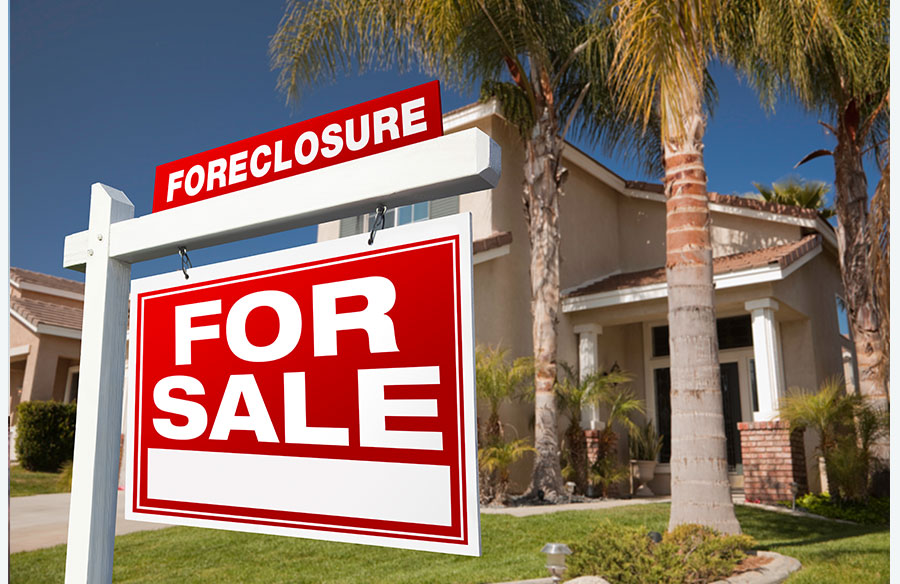
Buying a foreclosed home isn’t without its risks, but it’s a good way to get more potential long-term value for your hard-earned dollar.
According to one source, there were 322,103 properties with foreclosure filings last year in the U.S. If you’re on the sidelines waiting for prices in the real estate market to reach a level you’re comfortable with, a foreclosed home could be a cheaper way to enter the market. But all that glitters isn’t gold. So, a low price isn’t necessarily a good one.
Foreclosures are cheaper than other houses and can be fantastic bargains for investors and bargain hunters. However, going this route involves more risk, with more delays and unexpected costs than you’d find in a typical real estate transaction.
It makes sense to talk to a foreclosure lawyer if you’re a struggling homeowner who is out of options. But a call to a realtor is in order if you want to buy a foreclosed home.
If you’re considering buying a foreclosed home, you have to do so with your eyes wide open. Below are five things to keep in mind if you’re considering making the leap.
1. Know the Different Types of Foreclosures
Before you even go out looking, understand that not all foreclosures are equal. Foreclosed homes generally fall into three broad categories:
- Pre-foreclosure: The owner is in arrears but still living in the property. He or she may sell for below what they owe to avoid having it foreclosed.
- Auction: The property is sold at public auction, usually at the courthouse. The sales are usually cash at closing with no warranty or inspections.
- Real Estate Owned (REO): The bank owns the property as a result of foreclosure. REOs are usually sold by real estate agents.
REO homes are usually the best and easiest to work with since you can usually go through the house and attach contingencies to your offer.
2. Get Pre-Approved and Know Your Financing Choices
You can’t always finance a foreclosure using a standard mortgage. Foreclosures are usually in shabby condition and can’t qualify for traditional loans.
Traditional loans may require that the homes be in livable condition. FHA 203(k) loans are insured, government-backed loans wherein you can borrow to buy and restore a house. They’re good options if you’re looking at distressed homes.
It’s best to make a cash purchase for a foreclosed home since you won’t have to worry about getting financing.
Consider, too, that buying pre-approved not only signals to sellers that you are serious about buying, but also allows you to discover what kind of foreclosure properties fall within your financing range and price.
3. Budget for Repairs and Hidden Costs
Perhaps the most common trap many people fall into is falling in love with a foreclosure home while underestimating repair costs. Foreclosures are often trashed or abandoned by the previous owners. You may be saddled with plumbing, roofing, electrical system, or mold issues — and that’s just the tip of the proverbial iceberg.
Other expenses you will need to consider include back taxes or property liens, payment for delinquent utility bills, debris removal or cleanup, and attorney or title fees.
Use a professional inspector before closing — if possible — and obtain estimates for repairs ahead of time. You should also have a reserve fund or renovation budget.
Something that appears great on paper can be a money pit if you’re not careful.
4. Conduct a Proper Title Search
Foreclosed houses also come with title problems like outstanding liens or title disputes. If left unsettled before going up for sale, you could be held responsible.
To protect yourself, use a title search whenever you buy, and purchase title insurance — especially if you are dealing with auction companies or sale by distress. Engage the services of a property lawyer if the sale is complex.
5. Leverage Experts with Foreclosure Experience
Foreclosure sales are distinct from other real estate transactions. If you haven’t a clue how to go about things, find a foreclosure-savvy real estate agent who is knowledgeable about local market conditions. You should also find the following:
- A lawyer with real estate experience to examine contracts and provide due diligence assistance
- A home inspector who will find significant structural and mechanical defects
- A contractor that you can rely on for any needed remodelling
Doing it yourself could be an issue if you accidentally overlook red flags, legal complications, or surprise expenses. Experts can get things done right the first time around.
Buying a foreclosure home is a good idea — if you do it right. Foreclosed homes are often a good bargain, but they are also unique bargains with unique dangers and traps that require foresight and caution. Know the different types of foreclosures, get pre-approved, budget for repairs, conduct a title search, and hire experts for help.
By remembering these five tips when you buy, you’ll be more apt to make a smart purchase. You’ll also boost your odds of turning a foreclosed home into your dream home.