

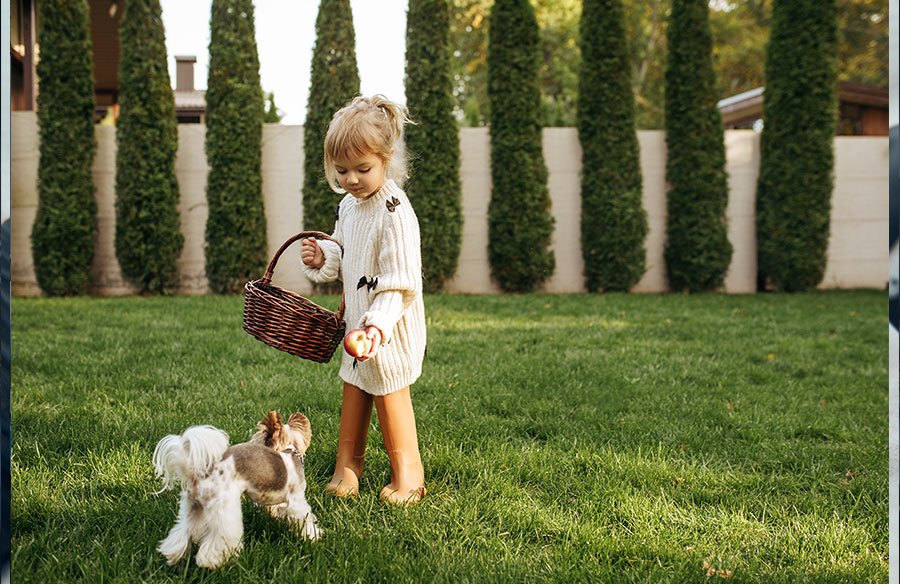
Designing a backyard that’s safe for children and pets doesn’t mean compromising on aesthetics. With a bit of planning, it’s entirely possible to strike the right balance between safety, style, and functionality. Whether you’re raising toddlers or looking after a lively Labrador, your outdoor space can be transformed into a secure haven that still looks fresh and thoughtfully designed.
Here’s how to create a garden that keeps everyone safe—without giving up the charm.
Start with Secure Boundaries
Before diving into planting or layout ideas, take a good look at your fences and gates. These are your first line of defence when it comes to protecting little explorers and curious pets.
Check for gaps, loose panels, or climbable surfaces. Gates should have child-proof latches and open inward to prevent accidental escapes. For households with small dogs, adding a lower barrier or reinforcing the base of existing fences may help keep them from digging out.
A well-designed fence can also double as a design feature. Timber slats, painted brick, or hedging plants can soften the look and blend in with your garden theme.
Choose Non-Toxic Plants and Pet-Safe Materials
Many popular garden plants are toxic to pets and children if ingested. Common offenders include lilies, oleander, foxglove, and sago palm. It’s worth cross-checking your existing plants and avoiding anything that may pose a risk.
Instead, opt for non-toxic, hardy varieties such as lavender, rosemary, snapdragons, camellias, and many types of ferns. These add colour and texture without posing a health hazard.
As for materials, choose soft, splinter-free timber for decks, non-slip pavers for high-traffic zones, and steer clear of sharp-edged gravel or decorative stones that could become choking hazards.
Create Zones for Play and Relaxation
Dividing your garden into zones makes it easier to manage safety and flow. You might set aside a sunny patch of lawn for play equipment, a shaded corner with soft ground cover for quiet rest, and a central area for family gatherings or weekend barbecues.
Raised garden beds or low hedges can help create natural boundaries between areas, while also adding structure and interest. Even sandpits or small garden nooks can become design features with the right framing and materials.
Having designated areas for kids and pets also protects your more delicate garden beds or vegetable patches from accidental trampling or digging.
Shade and Shelter Matter
Both children and animals are sensitive to heat, so having adequate shade is essential. Consider a combination of natural and built shade: pergolas draped with vines, retractable awnings, or mature trees that provide dappled light throughout the day.
Just be mindful of overgrown or poorly maintained trees that could drop limbs or cause safety hazards. In fact, if you’re unsure about the condition of a large tree in your garden, it’s wise to consult professionals like Gold Coast Tree Lopping. They can advise on pruning, thinning, or removing trees that pose risks—while helping to maintain the overall look of your landscape.
Safe Surfaces for Running, Rolling, and Relaxing
Kids and pets need surfaces that are kind to paws and bare feet. Natural grass is still a favourite for its cooling properties and soft feel, but synthetic turf has gained popularity for its durability and low maintenance.
Other options include:
- Mulched areas (using child-safe bark or rubber mulch)
- Decking with anti-slip treatments
- Paved paths using smooth, non-slip stones or bricks
Avoid using crushed rock or coarse gravel in high-traffic play areas, as these can cause scrapes or get stuck in paws.
Interactive Features that Encourage Exploration
Safe doesn’t have to mean boring. There are plenty of creative ways to make your garden more engaging for kids and pets.
Think sensory paths with different textures underfoot, edible gardens where kids can pick herbs or strawberries, or simple log stepping stones that double as climbing elements.
For dogs, consider adding a digging pit filled with sand or soft soil, or a dedicated space to run along the fence line if they’re territorial. A shallow splash zone or dog-friendly water fountain can also help pets cool down in warmer months.
Lighting for Evening Supervision
If your children or pets are active into the late afternoon or evening, outdoor lighting becomes important for both safety and ambience. Soft solar lights along pathways, subtle deck lighting, or motion-sensor lights near entrances are practical additions.
Not only do they reduce trip hazards, but they also extend the usability of your garden into the evening—perfect for family dinners or pet playtime after work hours.
Ongoing Maintenance and Seasonal Checks
Even a beautifully designed garden can turn into a hazard without regular maintenance. Keep paths clear of debris, secure any loose stones or bricks, and regularly inspect fences, play equipment, and tree limbs.
Mulch should be topped up and redistributed to cover hard soil patches. And lawns—if you have them—should be checked for holes or uneven patches that could cause trips or twisted ankles.
As trees grow and change shape, it’s worth reassessing their placement and condition. Periodic visits from services like Gold Coast Tree Lopping can help you stay ahead of potential issues, especially if you’re dealing with large trees near roofs, play areas, or fences.
Final Thoughts: A Garden for the Whole Family
A safe and stylish garden doesn’t have to feel sterile or restricted. With the right balance of structure and freedom, you can create a space where kids can roam, pets can explore, and adults can relax—all without compromising on beauty or comfort.
Start with smart materials, thoughtful zoning, and regular upkeep. Add a few creative touches and expert help where needed, and you’ll have an outdoor space that grows with your family—full of life, laughter, and peace of mind.







