Design doesn’t end at the walls. Architects and designers know this instinctively, but the truth still gets overlooked during the final stages of a build. A carefully planned home or commercial space can be visually stunning, structurally sound, and eco-conscious—but if the surrounding grounds are cluttered, overgrown, or unkempt, the intended impact fizzles. First impressions are holistic, and what’s outside often sets the tone before anyone even sees the design itself.
That’s why more professionals are treating professional property cleanup as an essential part of project completion—not an afterthought. Especially in regions like Houston, where weather, vegetation, and fast-paced development create layers of post-construction mess, the exterior needs just as much care as the interior. Cleanups aren’t just about aesthetics, either. They help preserve design integrity, signal project quality, and increase buyer or client confidence.
Let’s look at why a cleaned-up property is just as important as a polished blueprint—and how this “final step” can elevate your entire project.
Why Property Cleanup Isn’t Just About Trash Bags
When people hear “property cleanup,” they often picture crews picking up trash or raking leaves. But in reality, cleanup services handle a lot more than debris. We’re talking about:
- Removing leftover construction materials
- Trimming overgrowth that blocks sightlines
- Clearing dead plants and prepping soil for landscaping
- Pressure-washing driveways and walkways
- Hauling away bulk waste
- Prepping properties for photos, inspections, and sale
This kind of work is technical. It requires timing, tools, and know-how—especially on larger or mixed-use properties. And when handled by professionals, it transforms a space from “under construction” to “move-in ready.”
Architecture Isn’t Finished Until the Ground Matches the Vision
Think of your design like a story. The structure, the layout, the materials—they’re all parts of a narrative. But if the surrounding space is full of leftover drywall, overgrown weeds, or uneven dirt patches, the ending falls flat.
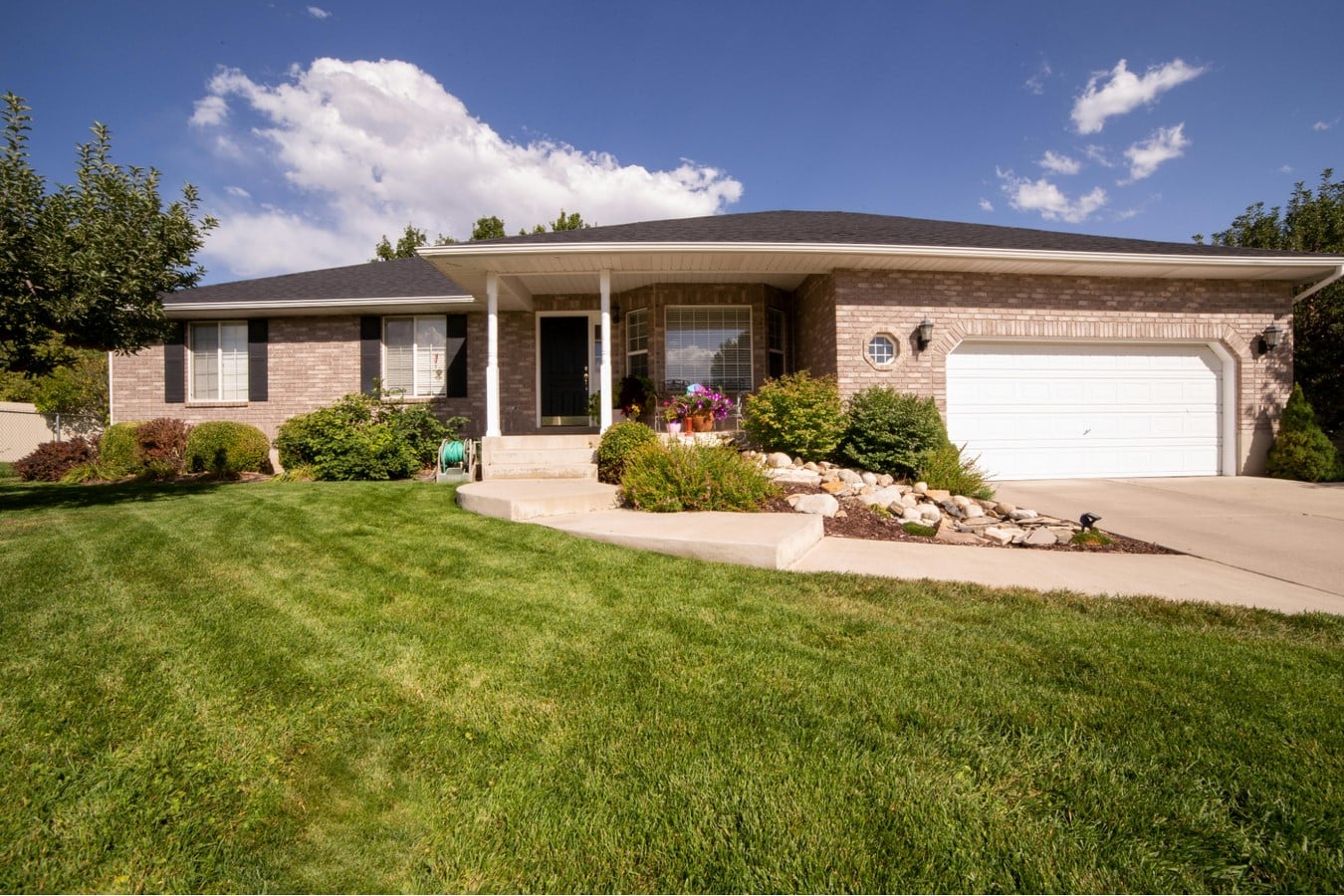
Clean grounds complement sharp edges. Trimmed trees frame sightlines. Swept entryways allow the eye to follow the rhythm of design without interruption. These aren’t just minor upgrades—they’re part of how people read space.
And in commercial builds or public facilities, that reading starts fast. Clients, investors, inspectors—they all form opinions within seconds of arrival. A messy exterior can undercut months (or years) of architectural effort in a single glance.
The Hidden Value of a Clean Finish
A professional cleanup does more than just polish the visuals. It offers quiet but powerful benefits for both the builder and the end-user.
1. It Protects the Structure
Leaving debris or waste near a building can cause problems down the line. Wood scraps invite termites. Loose materials clog drains. Unmanaged soil erosion can affect foundations. A thorough cleanup reduces these risks before they start.
2. It Enhances Photography and Marketing
Designers and builders rely on photos to showcase their work. But even the best camera can’t hide a cluttered yard or a dirt-streaked path. Cleanup ensures your project is captured in its best light—literally.
3. It Speeds Up Occupancy or Sale
A clean site shows readiness. Buyers, tenants, or investors see a space that feels finished and inviting, not something that still needs elbow grease. This can speed up move-ins or closings.
4. It Supports Sustainability
Cleanup crews often separate recyclables, reduce construction waste, and prep the land for native landscaping or water-efficient upgrades. That’s a natural extension of any green build.
Why It’s Especially Important in Houston
Let’s zoom in on a city like Houston. It’s hot, humid, and green year-round. Plants grow fast. Storms leave behind mud, debris, and fallen branches. Construction timelines are tight, and neighborhoods evolve quickly.
All of that means exterior messes accumulate quickly—and stand out. A freshly built home or business can look neglected in just a few weeks if cleanup isn’t part of the final plan. For property managers, developers, and homeowners here, cleanup is more than a courtesy. It’s a necessity.
It’s a Team Sport—Not a Solo Task
While some builders try to handle cleanup with leftover labor, this can backfire. The process requires coordination, proper disposal, safety awareness, and sometimes even permitting. It also needs to be done on time—often just before listing, inspection, or occupancy.
That’s where bringing in a specialized service makes sense. Professional crews know the local regulations, have the right equipment, and can work within tight deadlines. For architects or designers, this means less stress and fewer surprises.
Think of cleanup pros as the supporting cast to your main performance. They’re not stealing the spotlight—but they make sure the stage is ready.
When to Schedule a Cleanup (Hint: Sooner Than You Think)
A common mistake is waiting until the very end to think about cleanup. But ideally, it should be planned early—often in the design or construction schedule.
Here’s a better approach:
- Mid-build check-in: Schedule an initial cleanup if materials are piling up. It keeps the site safer and more organized.
- Pre-inspection polish: Before inspectors walk through, make sure the exterior is presentable. It signals professionalism.
- Pre-photo prep: Before marketing, ensure the space is camera-ready.
- Final walkthrough: The last cleanup should leave no trace of the work—just the finished product.
Some cleanup services even offer recurring maintenance, which is handy for spec homes or commercial properties that sit vacant for a while.
It’s Not About Perfection—It’s About Presentation
Here’s the thing: nobody expects a construction site to be spotless mid-project. But once the final nail is in, expectations shift. People start looking with a different lens. They imagine living or working there. They visualize use, not build.
And if the first impression feels sloppy, that vision can crumble fast.
So cleanup isn’t about chasing perfection. It’s about removing distractions—so the design can shine.
Architects, Designers, and Developers: This Is Your Final Detail
You’ve selected every tile, drawn every angle, and debated every material. Don’t let something as fixable as debris or uncut grass dull the effect.
Property cleanup might not be the sexiest part of the process—but it’s one of the most visible. And in the hands of the right crew, it becomes a design asset, not just a maintenance line item.
Plus, clients notice. Whether it’s a homeowner seeing their forever space for the first time, or a city planner walking through a new park, there’s an emotional charge to that first look. You want that moment to land.
 Conclusion: The Job Isn’t Done Until the Cleanup Is
Design doesn’t live in a vacuum. It exists in neighborhoods, on city streets, and in nature. And like it or not, the exterior will always be the first thing people see.
So when you’re thinking about materials and lines and lighting, remember to think about mulch, debris, and lawn edges, too. That last step—that clean, clear, clutter-free final moment—is what allows the architecture to breathe.
Cleanup isn’t extra. It’s essential.