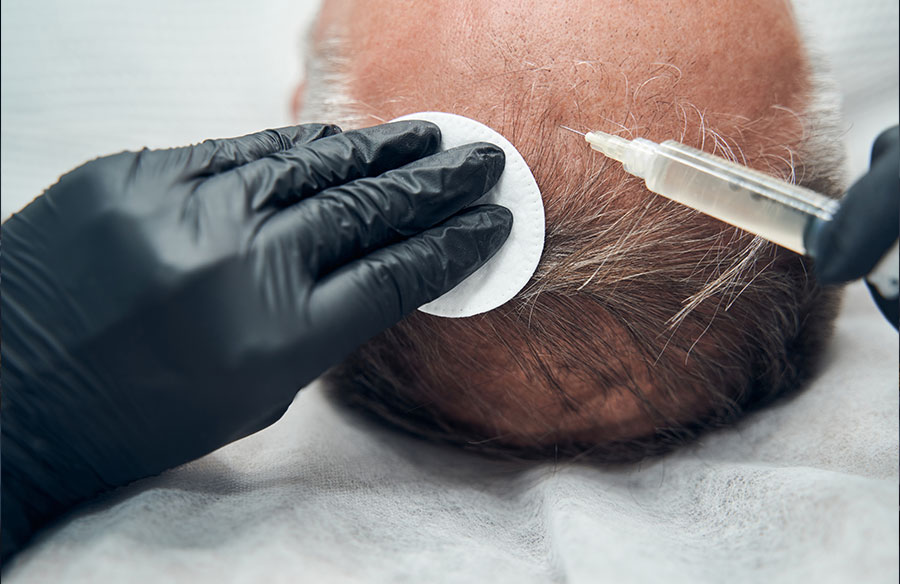
Hair loss in men is a common experience, but that does not make it any less frustrating. For many, it begins subtly, maybe with a few more hairs on the pillow or a thinning patch that grows with time. Understanding what is normal and what might be permanent is key to taking control early. In your twenties or fifties, knowing your options matters.
A hair transplant can be life-changing, but it is not the first step for everyone. Learning when to act, what treatments are available, and if a transplant could be the right move can make a big difference.
Why So Many Men Start Losing Their Hair
Hair loss can begin as early as your twenties, often caused by a mix of genetic and hormonal factors. The most common culprit is male pattern baldness, a hereditary condition influenced by a sensitivity to dihydrotestosterone or DHT, a male hormone.
As men age, hair follicles may shrink or stop producing hair altogether. Lifestyle factors, such as a poor diet, lack of sleep, and chronic stress, can accelerate this process. Even habits like smoking or frequent use of harsh hair products may worsen the condition.
Not all hair loss is permanent, but when it follows a consistent pattern, especially around the temples or crown, it is likely here to stay. That is when men should start thinking more seriously about long-term solutions.
Early Signs You Shouldn’t Ignore
Not all hair loss is sudden. In many cases, it starts with subtle shifts that are easy to overlook. Catching these changes early can make a big difference in preventing further loss or choosing the right treatment. If you notice the following signs, it might be time to speak with a specialist.
- Thinning hair at the crown or top of the head
- A receding hairline, especially at the temples
- Increased hair in your comb, pillow, or shower drain
- Hair looking noticeably finer or weaker in texture
- A more visible scalp when styling your hair
- Sudden patches of hair loss or shedding
When Other Treatments Aren’t Working
Many men start with shampoos, medications, or other non-invasive treatments, hoping to slow or stop hair loss. These options can be effective in the early stages, especially when hair follicles are still healthy. However, they are not a permanent fix for everyone.
If you notice continued thinning or bald patches despite consistent use of these treatments, it may be a sign that they are no longer working. Sometimes the hair loss reaches a point where follicles have shrunk too much or stopped producing hair altogether.
In cases like these, trying to rely on topical products or pills can lead to frustration and wasted time. It is important to recognize when these treatments have run their course.
At that stage, a hair transplant can offer a more lasting solution by relocating healthy follicles to thinning or bald areas. This step is often the next logical choice when other methods fail.
Is a Hair Transplant the Right Step for You?
Deciding on a hair transplant involves several factors, including your age, hair type, overall health, expectations, and future goals. Understanding these can help you make an informed decision about moving forward.
Age and Timing
It’s important to consider your age before deciding on a hair transplant. Younger men might experience ongoing hair loss, so it’s best to wait until the pattern stabilizes to avoid multiple surgeries. Older men with stable hair loss often get better long-term results. Timing your procedure carefully can help ensure a more natural and lasting outcome.
Hair Type and Density
The texture and density of your hair play a major role in transplant success. Men with thick, coarse hair tend to achieve better coverage and a fuller look. Fine or thin hair may make it harder to cover bald spots effectively. Additionally, having a healthy donor area with enough hair to transplant is crucial for good results.
Health Considerations
Your overall health affects both your candidacy and recovery. Good physical health improves healing and reduces the risks of complications. Certain medical conditions or medications might interfere with the procedure or its outcomes. Discussing your health history with a specialist helps ensure safety and success.
Expectations and Goals
Having realistic expectations is key to satisfaction with a hair transplant. While the procedure can restore hair to thinning or bald areas, it won’t create a completely full head of hair like in youth. Understanding the limits and planning for possible future treatments helps set clear goals.
Why Timing Matters in Hair Transplant Decisions
Acting early in hair loss can significantly improve the results of a transplant. When you catch thinning before it becomes severe, more healthy follicles are available for transplantation, leading to better coverage and a natural look. Early intervention can also reduce long-term costs by limiting the need for multiple procedures.
Waiting too long can result in extreme hair loss, leaving fewer donor hairs and making it harder to achieve satisfactory results. Additionally, delaying a transplant might require combining it with other treatments later on, increasing complexity and expense.
Taking timely action helps preserve your hairline and slows further loss. It also gives you a chance to plan the procedure carefully with your doctor. Overall, timing plays a key role in both the success and affordability of hair restoration.
What to Expect from the Procedure and Recovery
A hair transplant typically involves removing healthy hair follicles from the back or sides of the head and implanting them in thinning or bald areas. The procedure usually takes several hours and is performed under local anesthesia.
After the transplant, patients can expect some redness and mild swelling, which usually subsides within a week. Recovery is generally smooth, and most people return to normal activities within a few days.
Patients who choose the treatment often report professional care and smooth recovery experiences. The transplanted hair starts to grow naturally after a few months, with full results visible in about a year. While individual experiences vary, modern techniques provide effective and lasting improvements in hair density.
Why Many Patients Travel for Hair Restoration
Hair restoration has become a global trend, with many patients choosing to travel for better results at lower costs. Currently, Turkey is one of the most popular destinations, known for its advanced techniques and experienced specialists.
In Poland, this trend is so widespread that many medical tourisml agencies now offer dedicated packages, often labeled as przeszczep włosów Turcja, making the process simple and accessible.
For many, going abroad for a hair transplant offers an ideal balance between quality and cost. While it requires more planning than a local procedure, the potential savings and access to experienced specialists make it a worthwhile option for those seeking effective, professional results.
Final Thoughts
Hair loss can feel overwhelming, but taking action early can make a real difference. Understanding your options and recognizing the right time to consider a hair transplant helps you achieve the best possible results. Acting sooner preserves more hair, reduces future costs, and improves confidence.
If you feel ready, don’t hesitate to seek professional advice and explore treatments that fit your goals and lifestyle. Making informed decisions empowers you to take control of your hair loss journey and move forward with confidence toward a fuller, healthier head of hair.