

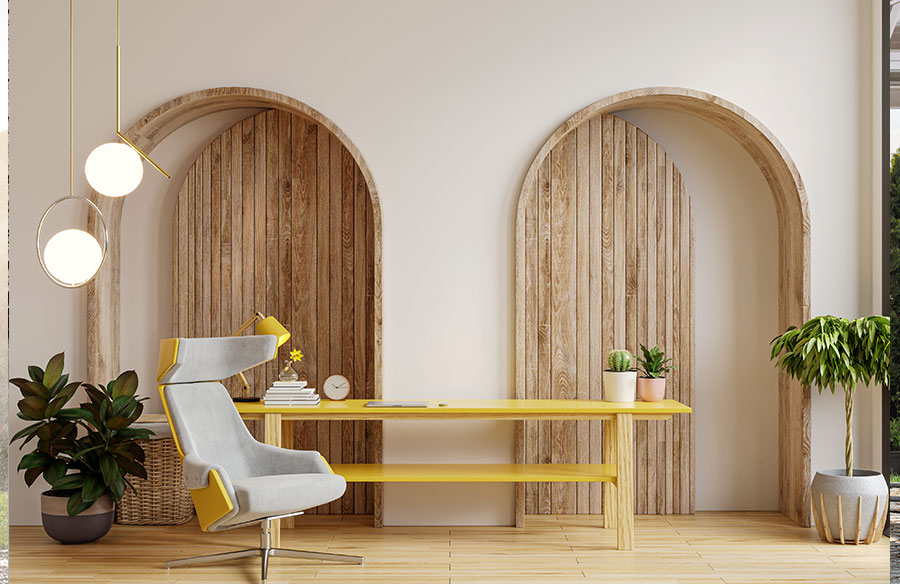
In the evolving language of contemporary interior design, wood has remained a steadfast element—not merely as a material, but as an expressive medium of craftsmanship, structure, and atmosphere. Among the many expressions of wood in modern design, integrated woodwork has emerged as a subtle yet profound art form. Unlike stand-alone furniture pieces, integrated woodwork becomes a part of the architectural envelope. It is built in, not brought in—woven seamlessly into walls, ceilings, and floors, often erasing the boundary between furniture and structure.
This design approach reflects a broader movement in modern interiors: clean lines, functional flow, and materials that mature beautifully over time. And it’s not just aesthetic. According to a study by the American Wood Council, demand for engineered wood and mass timber in interior applications is growing steadily, with designers citing both visual appeal and environmental benefits as key drivers.
Defining Integrated Woodwork
Integrated woodwork refers to wooden architectural elements that are built into the physical fabric of a space. This includes:
- Wall paneling and cladding
- Built-in cabinetry and shelving
- Staircases and railings
- Integrated desks, banquettes, and storage units
- Ceiling beams or slatted wood treatments
- Custom framing around windows or doors
Rather than being added as discrete furnishings or decorations, these elements are part of the room’s infrastructure. Their integration is both functional and aesthetic—contributing to the utility of the space while shaping its visual identity. Today, professionals often rely on woodworking design software to plan and execute such detailed, built-in designs with precision and efficiency.
Historical Roots and Modern Resurgence
The notion of built-in woodwork is not new. Traditional Japanese homes employed shoji screens, wooden lattices, and built-in cabinetry to create rooms that could shift in purpose throughout the day. The Arts and Crafts movement emphasized handcrafted built-ins as a way to harmonize architecture and furnishing. But perhaps no designer did more to integrate wood into modern interiors than Frank Lloyd Wright.
Wright believed that buildings should be “of the hill, not on it”—a philosophy he called organic architecture. To him, integrated woodwork was not decoration, but a continuation of the architecture itself. In homes like Fallingwater and the Robie House, he used built-in seating, shelving, and cabinetry to guide how people moved through and interacted with a space. Wood was chosen to harmonize with surrounding materials and nature.
Learn more:
- Frank Lloyd Wright Foundation – Philosophy of Organic Architecture
- Fallingwater – a prime example of Wright’s vision
- Robie House – the Prairie Style masterpiece
Wright’s designs still inform today’s approach to integrated interiors—where material, form, and function are seen as inseparable parts of a unified whole.
The Functional Benefits
One of the strongest arguments for integrated woodwork lies in its utility. Thoughtfully designed woodwork can transform awkward corners into functional zones and eliminate visual clutter.
1. Maximized Space Efficiency
Built-ins often make better use of vertical or recessed space. A floor-to-ceiling storage wall can hold more and appear less bulky than several individual furniture pieces.
2. Enhanced Organization
Custom cabinetry and shelving cater precisely to the user’s needs. Whether it’s a hidden filing drawer in a home office or a built-in wine rack in a kitchen island, integrated solutions improve workflow and reduce visual chaos.
3. Longevity and Durability
Integrated woodwork is typically more robust than prefabricated furniture. Anchored into the structure of the building and often custom-built by professionals, these features are made to last.
Aesthetic Harmony
Beyond function, integrated woodwork contributes to visual harmony. When cabinetry, paneling, and trim are made of the same wood species and finish, they can unify disparate elements in a room. The result is not uniformity, but cohesion—a sense that the space was conceived holistically.
Natural Material, Human Scale
Wood introduces texture, grain, and imperfection—qualities that lend depth to the often sleek and sterile surfaces of modern design. Whether it’s the richness of walnut or the calm of white oak, integrated wood offers a counterbalance to concrete, glass, or synthetic materials.
Framing and Flow
Integrated wood elements can guide movement through a space. Consider a wall of vertical oak slats that continues into a ceiling soffit, drawing the eye across an open-plan room. Or a built-in bench beneath a window, creating a natural pause point. These moments are architectural, but they’re also poetic.
Creative Folding and Transformable Designs
Modern homes—especially in urban environments—demand adaptability. One increasingly popular trend is folding, sliding, or transforming built-ins that merge utility with minimalism.
Examples include:
- Wall beds (Murphy beds) that fold up into wooden panels
- Fold-out desks integrated into closet doors
- Accordion-style partitions or slatted folding walls to divide spaces
- Pull-out pantries or vanities hidden behind wood panels
- Convertible banquettes or benches that double as storage
These features not only conserve space, but celebrate craftsmanship and ingenuity in their mechanisms and joinery. Often inspired by Japanese fusuma or modular systems, folding woodwork provides dynamic interaction with a space.
See examples of this approach:
- Dezeen – Space-saving furniture
- Design Milk – Transforming Furniture Ideas
Such designs turn integrated woodwork into a tool for personalization and adaptability—making a single room perform multiple roles throughout the day.
Challenges and Considerations
Despite its appeal, integrated woodwork presents challenges that designers and homeowners must weigh carefully.
1. Cost and Commitment
Integrated features often require custom design and professional installation. They represent a larger initial investment and are more difficult to remove or repurpose than freestanding furniture.
2. Material Stability
Wood is sensitive to humidity and temperature changes. Built-ins must be properly constructed to allow for expansion and contraction, especially in climates with seasonal variation.
3. Maintenance
Dust accumulation in slatted wood partitions, scratches on built-in counters, and wear on cabinet faces all require long-term upkeep. Choosing the right finish can help mitigate some of these issues.
4. Design Flexibility
Integrated elements are by nature fixed. Homeowners must be confident in their functional and aesthetic choices—or work with designers to create adaptable configurations (such as removable panels or modular shelving).
Applications Across Spaces
Living Rooms
Wall-mounted entertainment centers, integrated shelving, and fireplace surrounds can define a living area without additional furniture. Wood panels may also double as acoustic treatments or media walls.
Kitchens
Cabinetry is the most obvious form of integrated woodwork here, but modern kitchens increasingly feature full-height wood walls, appliance concealment, and open shelving that blends with nearby living spaces.
Bedrooms
Integrated headboards, side tables, or wardrobes create calm, clutter-free sleeping zones. In small apartments, foldaway beds or desk systems can be built into walls.
Workspaces
As home offices become permanent fixtures, integrated desks and shelving systems offer ergonomic solutions that don’t intrude into daily living areas.
Public and Commercial Spaces
Libraries, hotels, and retail interiors increasingly use woodwork to soften and humanize otherwise institutional spaces. Wood adds texture and acoustic warmth while also conveying craftsmanship and quality.
Sustainability and Sourcing
As demand for integrated woodwork grows, questions of sustainability are increasingly relevant. Architects and designers are prioritizing:
- FSC-certified wood (from responsibly managed forests)
- Reclaimed wood (reducing the demand for new harvesting)
- Local species (to reduce transportation impact)
Water-based finishes (reducing VOC emissions)
For more:
- FSC – Forest Stewardship Council
- Architectural Digest on Sustainable Wood Choices
Incorporating these practices supports both environmental health and responsible craftsmanship.
The Emotional Dimension
Wood touches something primal in us. It carries memory in its rings, warmth in its tone, and variation in its grain. When integrated into the fabric of a home or workspace, it becomes more than a material—it becomes a part of our daily ritual.
There is a quiet joy in sliding open a perfectly fitted drawer, in running your fingers along a sanded edge, or in watching the color of your built-in cabinetry shift with the morning light. Integrated woodwork invites interaction. It rewards attention.
Conclusion
Integrated woodwork represents a confluence of architecture and artistry. It responds to contemporary needs for efficiency, beauty, and simplicity—without losing the human warmth that makes a space feel truly lived in.
As technology and lifestyles evolve, the handcrafted permanence of wood remains grounding. In a world often filled with the ephemeral, the integrated use of wood in interiors is a reminder that some things are worth building into the very structure of our lives.







