When building or renovating a home, one of the most climate-critical decisions you’ll make is your choice of roofing material. Your roof isn’t just a style statement—it’s your home’s first line of defense against wind, rain, snow, heat, and even fire. The wrong material can lead to premature wear, expensive repairs, and decreased energy efficiency.
In contrast, the right roofing solution can protect your home, enhance comfort, and reduce long-term costs. Matching your roof to the local weather patterns, temperature swings, and humidity levels ensures your investment pays off year after year. Below, we explore expert installers to get you started, and break down which materials make the most sense in different environments.
Trusted Metal Roofing Installers To Start Your Search
Choosing a qualified metal roofing installer is essential if you’re looking for durability, energy efficiency, and a sleek, modern aesthetic. These trusted companies bring extensive experience and region-specific expertise to ensure your metal roof stands the test of time.
Affinity Roofing – Specialised In Australian Climate Solutions
Affinity Roofing stands out as a leading metal roofing installers serving homes across Perth and Western Australia. Their work is tailored for Australia’s harsh UV exposure, unpredictable rainfall, and coastal air. Specialising in Colorbond® and Zincalume® materials, Affinity offers both new installations and roof replacements, always with a focus on longevity, corrosion resistance, and compliance with Australian Building Standards.
Sheffield Metals – North American Metal Roofing Excellence
Operating across North America, Sheffield Metals provides standing seam and exposed fastener systems that excel in both hot and cold climates. With a strong distribution network and architectural support services, they help homeowners and builders choose the right metal gauge, panel width, and coating type to match specific climate conditions like ice dams, high humidity, and solar heat gain.
Interlock Roofing – Heavy-Duty, Interlocking Design For Weather Extremes
For homeowners facing high winds, snow, or salt spray, Interlock Roofing delivers one of the most secure systems on the market. Their metal shingles use an interlocking design that resists wind uplift and water intrusion. The aluminum base material is non-corrosive and excellent for coastal areas, while the proprietary finishes stand up to UV degradation.
Matching Roofing Materials To Your Environment
Now that you’ve explored reliable installers, it’s time to align your roofing material to the climate you live in. Below are tailored recommendations based on environmental factors, ensuring your roof does more than just look good—it performs.
Roofing For Hot And Arid Climates
In regions with high temperatures, minimal rainfall, and relentless sun exposure—such as Arizona, parts of Australia, or the Middle East—your roof should reflect heat, not absorb it.
- Clay and Terracotta Tiles are staples in desert architecture for a reason: their curved design promotes airflow beneath the tile, reducing indoor temperatures.
- Metal Roofing with Reflective Coatings (such as Colorbond and Thermatech) reflects up to 70% of solar radiation and withstands expansion and contraction without cracking.
- Concrete Tiles offer thermal mass that can buffer heat during the day and release it at night, stabilising indoor temperatures.
Avoid asphalt shingles in these climates—they degrade quickly under intense UV exposure and require frequent replacement.
Roofing For Cold And Snowy Regions
Snow loads, ice dams, and freeze-thaw cycles pose serious risks to homes in northern climates. A material’s weight-bearing capacity and water resistance are critical here.
- Metal Roofing (especially standing seam) is ideal—it sheds snow easily, resists cracking from freeze cycles, and supports snow guards for safety.
- Slate and Synthetic Slate Tiles are naturally fire-resistant and can bear heavy snow without deforming. They also offer longevity exceeding 100 years.
- Asphalt Shingles are commonly used in colder regions due to their affordability, though they don’t last as long as metal or slate.
Avoid clay tiles, which can crack from ice infiltration unless properly treated and sealed.
Roofing For Coastal Or Humid Environments
Salt-laden air, high winds, and constant humidity call for corrosion-resistant materials that can breathe and resist mold.
- Aluminum Roofing is excellent near the sea—unlike steel, it resists salt corrosion. Coated with marine-grade finishes, it performs well for decades.
- Metal Shingles with Interlocking Systems prevent wind uplift and are less prone to leaking during tropical storms.
- Cedar Shakes are naturally mold-resistant and breathable, though they require periodic maintenance and are not ideal in wildfire-prone zones.
Avoid galvanised steel unless it’s marine-coated—salt will eat through untreated metal rapidly.
 Roofing For Rainy And Storm-Prone Areas
Where rainfall is heavy and frequent, water management is the name of the game. Roofs must prevent pooling, shed water quickly, and resist mold.
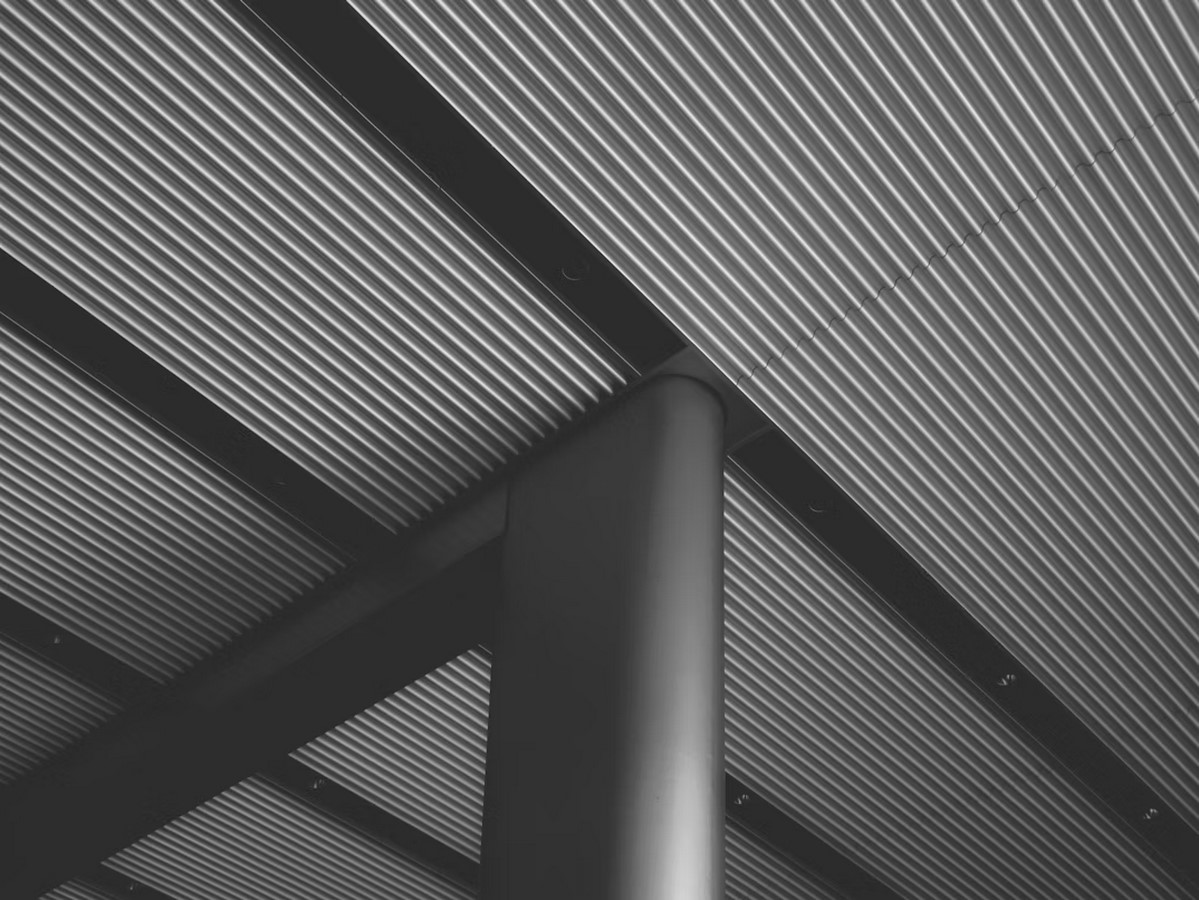
- Standing Seam Metal Roofs with concealed fasteners eliminate penetration points for moisture and provide a sleek, watertight surface.
- Asphalt Shingles with Fiberglass Reinforcement provide water resistance and impact protection from hail.
- Composite Roofs made from recycled rubber or plastics can handle constant moisture without warping or rotting.
Avoid flat roofs unless they are specifically designed with modern drainage systems and waterproof membranes.
Roofing For Fire-Prone And Drought-Stricken Areas
In wildfire regions or areas with water restrictions, roofing can be a key line of defense against embers and heat.
- Metal Roofs are naturally non-combustible and meet Class A fire ratings, making them ideal for bushfire zones.
- Clay or Concrete Tiles also offer fire resistance but may require reinforcement for structural weight.
- Synthetic Roofing materials with Class A fire ratings provide lighter alternatives that mimic slate or tile.
Avoid wooden shingles, even if treated—many fire-prone zones now ban their use entirely.
 Wrapping Up
Choosing the right roofing material isn’t just about aesthetic preference or budget—it’s about adapting to your local climate, planning for long-term performance, and working with installers who understand your region’s specific needs.
Metal roofing, in particular, has risen in popularity for its versatility, resilience, and energy-saving potential across a range of environments. Start with a trusted installer like Affinity Roofing to guide you through the options and engineering, and make sure your roof is ready for whatever the weather brings.