Essential amino acids have gained significant attention in recent years, particularly among women looking to optimize their health, fitness, and overall well-being. While both men and women need these crucial building blocks of protein, women have unique physiological needs that may make essential amino acid supplementation particularly beneficial at certain life stages.
Understanding Essential Amino Acids
Essential amino acids are the nine amino acids that the human body cannot produce on its own and must be obtained through diet or supplementation. These nine powerhouses include histidine, isoleucine, leucine, lysine, methionine, phenylalanine, threonine, tryptophan, and valine.
Unlike the other 11 amino acids your body can manufacture, these essential building blocks must come from external sources. They play critical roles in protein synthesis, hormone production, neurotransmitter function, and immune system support.
Why Women May Need Essential Amino Acids More Than They Think
 Women face unique nutritional challenges throughout their lives that can increase their need for essential amino acids. Everyone needs EAAs, but women in particular can benefit from not merely meeting the daily requirements per the World Health Organization (WHO), but exceeding them to help build stronger muscles, recover faster after exercise, and achieve a better quality of life.
Research suggests that women’s amino acid needs fluctuate significantly during different life phases, from menstruation and pregnancy to menopause and beyond. These hormonal changes can affect protein synthesis, muscle maintenance, and overall metabolic function.
Essential Amino Acids During Pregnancy and Lactation
Pregnancy represents one of the most critical periods when women’s amino acid requirements increase dramatically. Certain amino acids, including glycine and arginine, are considered conditionally essential during pregnancy because a pregnant person needs more of these amino acids to support their own health and the health of the fetus.
The increased need for protein during pregnancy is related to the fetus’ need for the amino acid glycine, which helps form body tissues and a healthy cardiovascular system. Research suggests higher protein amounts than originally thought may be needed during pregnancy, as much as 0.68 grams per pound of body weight in the third trimester.
Menopause and Muscle Maintenance
 As women approach and experience menopause, their bodies undergo significant metabolic changes that can affect amino acid utilization. In a meta-analysis of 10,083 women, menopause status is associated with amino acids glutamine, tyrosine and isoleucine, along with serum cholesterol measures and atherogenic lipoproteins.
These hormonal shifts make muscle maintenance more challenging. Research suggests that supplementing with essential amino acids can be beneficial to help older adults hang onto muscle mass. One study on healthy older women found that supplementing with essential amino acids significantly improved lean body mass and muscle protein synthesis.
The decline in estrogen during menopause affects muscle protein synthesis, making it harder to build and maintain muscle mass. This is where essential amino acid supplementation can play a crucial role in supporting women’s health during this transition.
Athletic Performance and Recovery Benefits
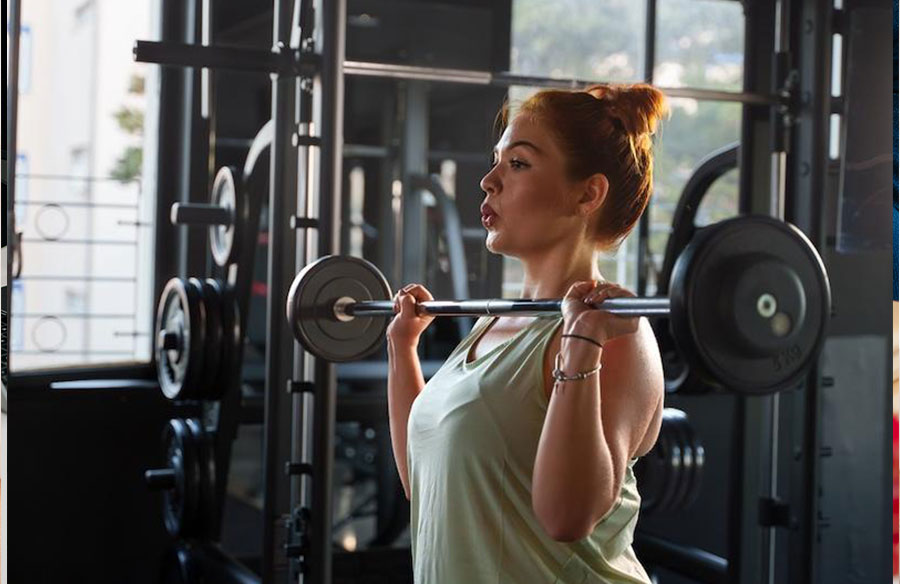
For active women, essential amino acids offer particular advantages for performance and recovery. Athletes use amino acid supplements to make sure they have enough EAAs in circulation before, during, and after exercise, especially to facilitate muscle growth, limit muscle damage, and speed repair and recovery.
Research has shown that consuming leucine-enriched essential amino acids during exercise can improve muscle protein synthesis by 33 percent. Additionally, essential amino acids may enhance fat burning and boost exercise performance during very long, hard efforts when glycogen stores are running low.
The BCAA Connection
 Within the essential amino acids, three particular standouts deserve special attention: leucine, isoleucine, and valine, known as branched-chain amino acids (BCAAs). These make up about one-third of muscle protein and are particularly important for muscle metabolism.
However, recent research suggests that while BCAAs support muscle building and repair, they can’t do so without the other essential amino acids. Studies have found that BCAAs on their own do not increase strength, muscle protein synthesis, or muscle hypertrophy. In some studies, they have been shown to decrease muscle protein synthesis when taken alone.
Hormonal and Neurotransmitter Support
Essential amino acids play crucial roles in hormone production and neurotransmitter function, areas of particular importance for women’s health. Tryptophan, for example, is necessary for the production of serotonin, a chemical that acts as a neurotransmitter and regulates mood, sleep, and behaviors.
Research has shown that taking tryptophan supplements may help reduce symptoms of depression and boost mood. One review that included 11 high-quality studies found that taking 0.14 – 3 grams of tryptophan per day could help decrease anxiety and increase positive mood in generally healthy people.
Food Sources vs. Supplementation
 While essential amino acids can be obtained through food, achieving optimal intake through diet alone can be challenging, especially for women with higher requirements due to pregnancy, intense training, or aging. Foods that contain all nine essential amino acids are considered “complete” proteins and typically come from animal sources like eggs, beef, poultry, fish, and dairy.
Plant-based proteins can also provide essential amino acids, though most are “incomplete” proteins missing one or more essential amino acids. However, combining different plant proteins throughout the day can provide all necessary amino acids.
Optimal Timing and Dosage for Women
 The International Society of Sports Nutrition recommends aiming for at least 10 to 12 grams of essential amino acids and 1 to 3 grams of leucine from protein-rich meals and/or snacks. Research suggests that older women may need 3 to 4 grams of leucine per meal for maximal stimulation of muscle protein synthesis.
For women specifically, timing can be crucial:
- Pre-workout: 10-15 grams can help prime muscles for exercise
- Post-workout: 10-15 grams within 30 minutes supports recovery
- Between meals: 5-10 grams can help maintain steady amino acid levels
- Before bed: Particularly beneficial for older women to support overnight muscle maintenance
Safety Considerations and When to Supplement
Essential amino acid supplements are generally considered safe for most women when used appropriately. However, it’s important to note that amino acid supplements are not regulated by the FDA, so quality and purity can vary between products.
Women should consider supplementation when:
- They struggle to meet protein needs through food alone
- They’re pregnant or breastfeeding (under medical supervision)
- They’re going through menopause and experiencing muscle loss
- They’re athletes with high training demands
- They’re recovering from illness or injury
The Bottom Line
The question isn’t necessarily whether women should take essential amino acids, but rather whether they’re getting enough through their current diet and lifestyle. For many women, especially those in high-demand life phases like pregnancy, menopause, or intense training, supplementation can provide valuable support for muscle maintenance, recovery, and overall health.
The key is understanding your individual needs and working with healthcare providers to determine if supplementation is right for you. While a balanced diet rich in complete proteins should be the foundation, essential amino acid supplements can serve as a valuable tool to bridge nutritional gaps and support optimal health throughout a woman’s life.
Remember that supplements should complement, not replace, a healthy diet and lifestyle. When considering essential amino acid supplementation, focus on high-quality products that provide all nine essential amino acids in appropriate ratios, and always consult with your healthcare provider before starting any new supplement regimen.