
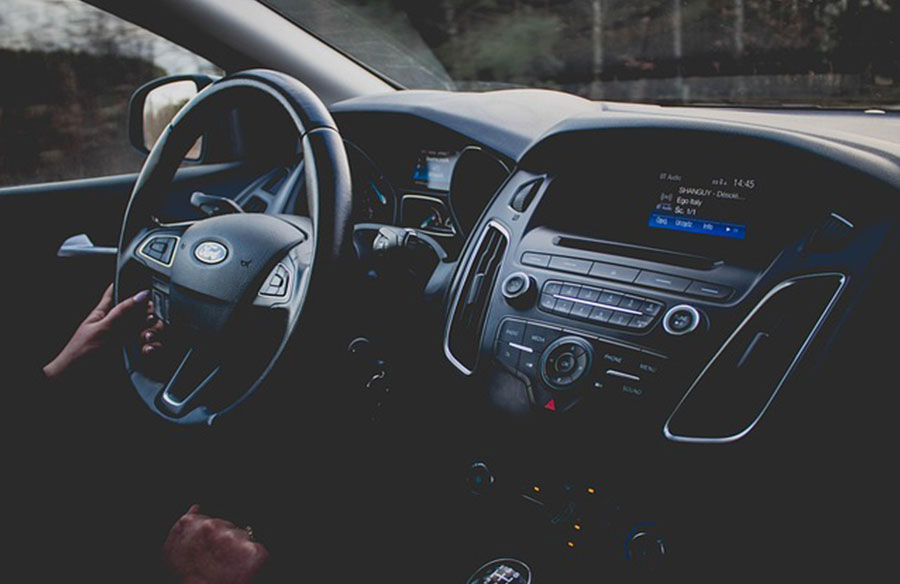
Artificial intelligence (AI) is transforming the way we drive, monitor traffic, and respond to accidents. From self-driving technology to predictive analytics, AI is being utilized across the transportation industry to enhance road safety and minimize human error, one of the primary causes of vehicle collisions.
As we continue to integrate smart technologies into our vehicles and infrastructure, the potential for fewer accidents and safer roads is growing.
AI in Driver Assistance Systems
Many modern vehicles already feature AI-driven technologies that help prevent accidents before they occur. These advanced driver-assistance systems (ADAS) rely on sensors, cameras, and machine learning to monitor the environment and support driver decision-making.
Key features include:
- Automatic Emergency Braking (AEB): AI can detect an imminent collision and apply the brakes if the driver doesn’t react in time.
- Lane-Keeping Assist: Sensors track lane markings and provide steering input to prevent the vehicle from drifting.
- Adaptive Cruise Control: Automatically adjusts speed based on the distance to the vehicle ahead.
- Blind Spot Detection: Alerts the driver when another vehicle is in an area that is not visible.
These features don’t replace the driver but act as a second layer of safety, helping to reduce accidents caused by inattention, fatigue, or delayed reactions.
Smart Traffic Management Systems
It’s not just vehicles getting smarter; entire cities are beginning to leverage AI to manage traffic patterns and reduce congestion. By analyzing real-time data from traffic cameras, GPS, and sensors embedded in roadways, AI systems can adjust traffic signals, reroute vehicles, and predict peak traffic conditions more accurately.
Benefits of AI-powered traffic systems:
- Improved emergency vehicle routing
- Reduced accident risk at high-traffic intersections
- Smoother traffic flow, reducing road rage and aggressive driving
- Faster response to accidents or roadway hazards
When traffic is better managed, there’s less chance of high-speed collisions or accidents caused by sudden stops and bottlenecks.
AI in Accident Prediction and Prevention
One of the most promising applications of AI is in predicting accidents before they happen. By processing massive amounts of driving behavior data, road condition reports, and historical accident trends, AI can identify high-risk areas or behaviors and issue real-time alerts. These may include:
- Notifying a driver when approaching a historically dangerous curve.
- Sending weather-based warnings for slick or icy conditions.
- Flagging drivers who exhibit erratic or unsafe behavior patterns.
Fleet companies, insurance providers, and even city planners can use these insights to implement targeted safety interventions and reduce the likelihood of future accidents.
Self-Driving Cars: The AI Frontier
Autonomous vehicles (AVs) represent the most advanced use of AI in road safety. These vehicles utilize AI to interpret sensor data, make informed decisions, and navigate complex environments autonomously, eliminating the need for human intervention.
While still being tested and refined, AVs promise:
- Drastically reduced human error in driving
- 24/7 operation without fatigue or distraction
- Improved mobility for seniors and disabled individuals
- Constant monitoring of surroundings, 360 degrees
However, self-driving technology still faces hurdles to overcome, including adverse weather conditions, unexpected human behavior, and the need for ethical decision-making in emergency scenarios. Until then, partial autonomy in commercial and personal vehicles continues to advance road safety.
AI Dashcams and Driver Monitoring
AI isn’t just used for controlling vehicles; it’s also helping to monitor drivers to ensure they’re safe behind the wheel. AI-powered dashcams and in-cabin cameras can analyze facial expressions, eye movement, and head position to detect signs of drowsiness or distraction.
When these systems detect risky behavior, they can trigger warnings, alarms, or even take control of the vehicle if necessary. This type of monitoring is particularly useful in commercial trucking and rideshare fleets, where long hours can lead to driver fatigue and an increased risk of accidents.
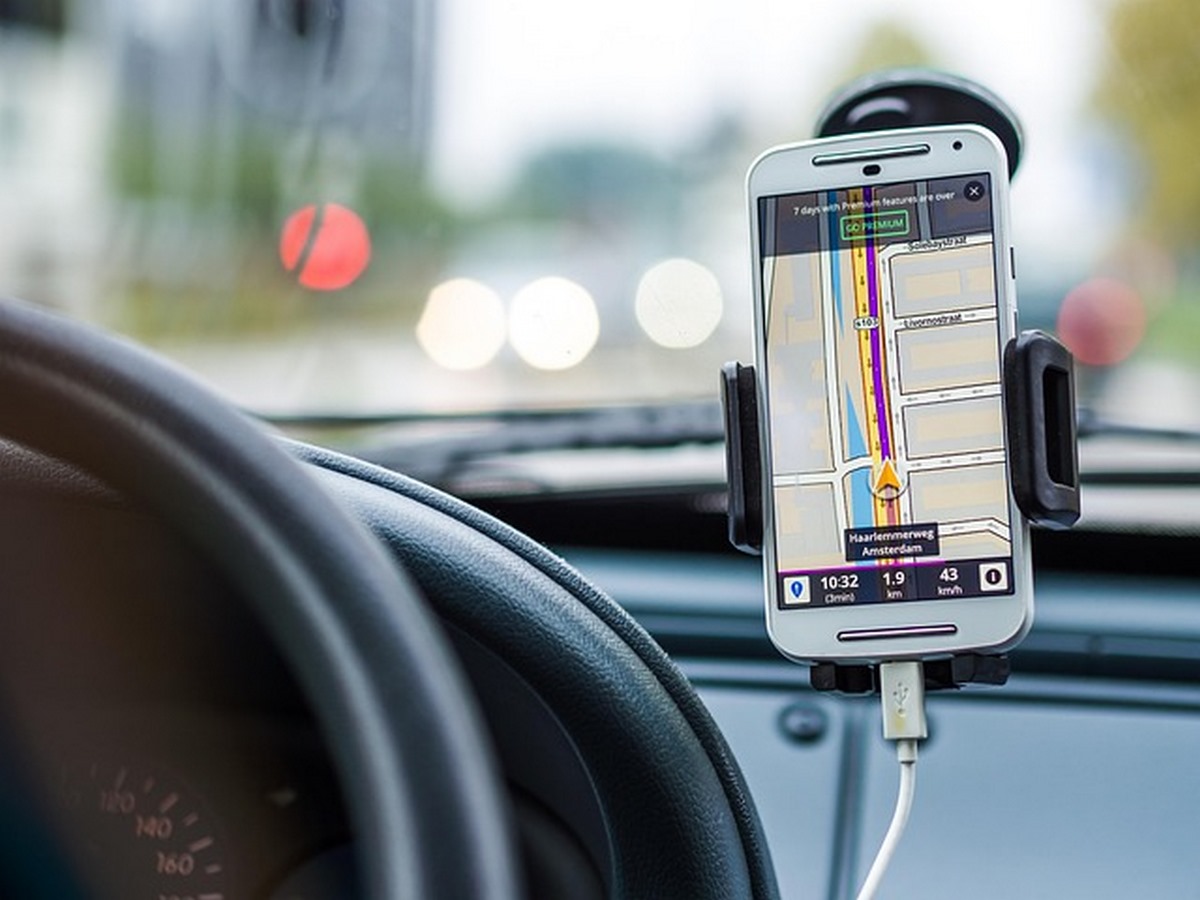 AI and Accident Response
Even when accidents do occur, AI is making the aftermath safer and more efficient. AI-driven platforms can:
- Automatically detect a crash using vehicle telematics.
- Notify emergency services with GPS coordinates and severity data.
- Route first responders more efficiently.
- Help insurers process claims faster through automated damage analysis.
This rapid response can make a life-or-death difference in serious accidents and streamline the recovery process for drivers and passengers.
Legal Implications and AI-Related Accidents
While AI is reducing the number of crashes overall, it’s also introducing new legal questions, especially when it comes to fault and liability. For instance, who is responsible if a self-driving car causes an accident? The owner? The manufacturer? The software developer?
As these questions continue to evolve, legal professionals who specialize in personal injury and traffic accidents are adapting to new forms of evidence and liability. Whether the accident involves a traditional driver, a semi-autonomous system, or a fully autonomous vehicle, understanding how AI played a role can be key to resolving the case.
If you’re involved in an accident where technology may have been a factor, consulting with experienced accident attorneys in St. Louis, MO, can help ensure your rights are protected and that all angles—including AI involvement—are thoroughly investigated.
Everyday Drivers Still Play the Biggest Role
While AI is making significant contributions to enhancing road safety, it’s not a substitute for responsible driving. Human drivers still have the most control over road safety outcomes. Using AI tools and features wisely, staying attentive, and avoiding risky behaviors remain essential practices.
Here’s what drivers can do to help AI work effectively:
- Stay familiar with your car’s safety features and how they function.
- Don’t over-rely on automation, keep your hands on the wheel and eyes on the road.
- Keep sensors, cameras, and windshield areas clean and unobstructed.
- Ensure your software is up to date with manufacturer recommendations.
When humans and machines work together, the roads become significantly safer for everyone.
Looking Ahead
AI’s role in road safety is expected to continue growing. Future innovations may include fully connected smart cities, AI-generated driving laws, and new types of transportation that reduce the need for personal vehicles altogether.
For now, drivers, passengers, businesses, and policymakers can all benefit from the current wave of safety technology. Whether you’re using adaptive cruise control or avoiding high-risk intersections thanks to predictive analytics, AI is helping keep people out of harm’s way, one innovation at a time.
The Bottom Line
Artificial intelligence is revolutionizing our approach to vehicle safety, accident prevention, and even legal liability. From dashcams and smart traffic signals to driver alerts and self-driving cars, AI is playing a central role in shaping the future of transportation. While these tools can’t eliminate risk, they are a powerful ally in our efforts to build safer roads and smarter systems.