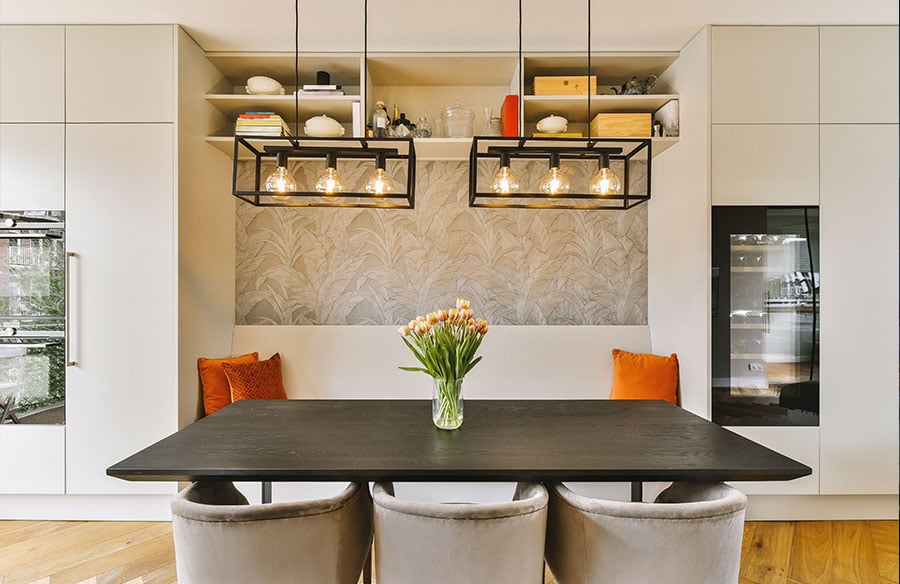
The dining room has long occupied a central position in residential design. It is a place of gathering, of daily rituals and celebration. More than a space to eat, the dining room is a spatial expression of hospitality and togetherness. In contemporary architecture and interior design, this room must serve both the social and the sensory. It must feel generous, refined, and highly functional.
Designing a dining area that achieves these aims is not solely a matter of selecting beautiful furniture. It begins with the layout and proportions of the space, extends into the interplay of light and materiality, and is ultimately elevated by an attentiveness to detail and atmosphere. In this article, we explore how to craft a dining environment that is architecturally considered and emotionally resonant.
Spatial Planning and Circulation
At the core of any effective dining room design lies spatial harmony. The room must allow for fluid movement while still encouraging intimacy. In an open-plan home, the dining area may be visually or physically delineated through floor treatments, ceiling transitions, or carefully positioned joinery. In more traditional layouts, the dining room may occupy a dedicated zone that connects to the kitchen and living spaces.
When specifying dimensions, allow for ample clearance around the dining table to enable chairs to be pulled back comfortably and guests to move freely. A minimum of one metre of circulation space around the perimeter of the table is recommended. For larger gatherings, flexibility is key. Extending tables, stackable or lightweight chairs, and reconfigurable lighting can enhance the room’s adaptability without compromising its elegance.
Natural Light and the Role of Illumination
Few elements shape the character of a room more powerfully than light. In a dining space, illumination should be both functional and atmospheric. Ideally, the room should be positioned to receive generous natural light during the day. Floor-to-ceiling glazing, clerestory windows, or a strategically placed skylight can dramatically transform a dining experience, adding a dynamic quality to meals as daylight shifts.
In the evening, artificial lighting takes precedence. A suspended pendant or cluster of fixtures above the table serves as both a sculptural focal point and a practical necessity. Dimmable lighting allows for mood modulation, while wall sconces or concealed LED strips can soften the periphery and reduce reliance on overhead glare. The choice of material and colour temperature for fittings can echo or contrast with the surrounding palette, adding further dimensionality.
Furniture as Architecture
Furniture in a dining room should be treated as an architectural extension of the space. The dining table, in particular, is a structural and visual anchor. Consider its relationship to the room’s geometry. A rectangular table works best in linear rooms, while round or oval forms offer a sense of inclusiveness and flexibility in more compact settings.
Materials should be chosen with both durability and beauty in mind. Solid timber remains a timeless choice, offering warmth and tactile depth. For more contemporary schemes, metal, concrete, or composite materials may complement the architectural language. Chairs should strike a balance between sculptural interest and ergonomic comfort. Upholstery can introduce softness and acoustical benefits, while timber or metal seating offers a more pared-back aesthetic.
The growing availability of high-quality dining room furniture online allows designers and clients alike to source distinctive pieces that reflect individual style and spatial requirements. It is essential, however, to prioritise well-resolved proportions and construction integrity when selecting furniture from digital platforms.
Materiality and Surface Considerations
Material selections throughout the dining room should aim for coherence with the broader architectural narrative of the home. Natural finishes such as stone, timber, linen, and ceramic lend a grounded and tactile quality. If the room is integrated with the kitchen, materials can be repeated or subtly referenced to create continuity.
Flooring plays a foundational role. Timber boards laid in a herringbone or chevron pattern can add visual rhythm, while large-format tiles offer minimalism and durability. Rugs, when used thoughtfully, can soften acoustics and delineate the dining zone without visually fragmenting the space.
Wall treatments should support the room’s tonal composition. This may take the form of limewashed render, timber panelling, or a muted paint scheme. Artwork or sculptural pieces on the walls can add a layer of personal identity and elevate the space beyond pure function.
Storage and Ancillary Elements
A well-functioning dining room benefits from discreet and accessible storage. Integrated cabinetry, floating shelves, or a built-in credenza can house serveware, glassware, and linens while maintaining visual order. Where space permits, a butler’s pantry or concealed service area adjacent to the dining room can further enhance usability, particularly for entertaining.
Display shelving offers the opportunity to curate objects, books, or ceramics that express the personality of the home. These can act as conversation starters and visual anchors, especially when combined with thoughtful lighting.
Acoustic Comfort and Sensory Experience
Dining rooms are, by nature, places of conversation. Acoustical planning should not be overlooked. High ceilings, hard floors, and expansive glazing can create echo and discomfort. Introducing upholstered chairs, rugs, curtains, and even acoustic panels designed as artwork can subtly control reverberation without compromising aesthetics.
Consideration of scent and sound can further enrich the sensory experience of dining. An open window that brings in garden fragrances, or a playlist curated to the meal’s mood, can elevate even a simple gathering into something memorable.
A Space that Evolves with Life
A well-designed dining room should not feel static. As the needs of a household shift, so too should the space accommodate new rhythms. Modular furniture, reconfigurable lighting, and adaptable layouts enable the room to evolve without the need for complete redesign. Seasonal decor, rotated artworks, and occasional additions like greenery or tableware can refresh the space without altering its architectural integrity.
In homes where formal dining rooms are rare, even a small space can achieve design excellence. It is not the size of the room but the attention to its details — its materials, its scale, its light — that determines its success.
The dining room is, at its best, an invitation. It calls people to sit down, to share, to listen. It deserves to be designed not only with aesthetic clarity but with an understanding of how people gather, connect, and create memory through everyday ritual.